





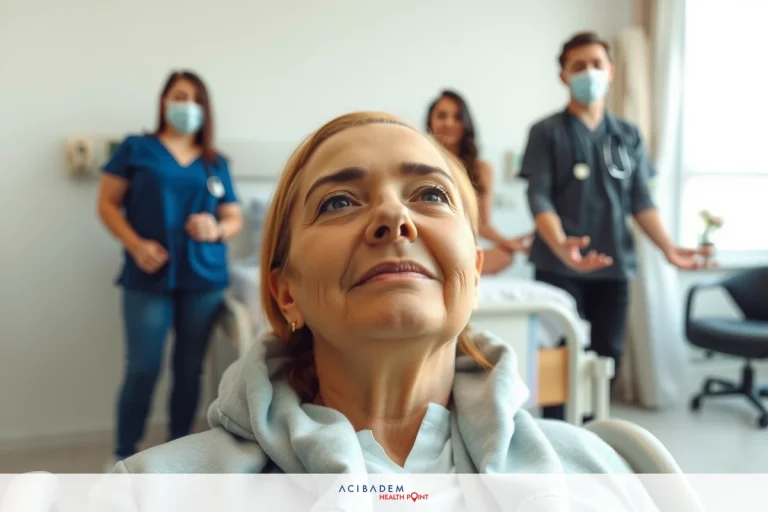
Are There Alternative Treatments For Lung Cancer?
Are There Alternative Treatments For Lung Cancer? Are There Alternative Treatments For Lung Cancer? Finding out you or a loved one has lung cancer can be tough. Many people look for ways to help fight the disease outside of mainstream medicine. Doctors often use standard treatments but some may also suggest other methods that could work well with them. It’s important to know what options might fit your health needs and lifestyle changes.Alternative treatments offer different paths in the journey toward healing from lung cancer. For many patients these therapies bring hope and an improved sense of well-being while dealing with their diagnosis. When thinking about trying new things it is always best to talk with your healthcare team first.
Lung cancer treatment isn’t just about medical care; support plays a big role. From eating right to being active and joining groups talking about lung cancer every step counts. You are not alone on this road and finding the right mix of traditional and new approaches can make all the difference in your treatment experience.
Acupuncture Therapy
Acupuncture is a form of therapy that many lung cancer patients find helpful. It involves thin needles placed at certain points on the body. This ancient practice can ease pain and reduce stress which is vital for healing. Medical centers often provide it as part of their alternative treatments.
For those with lung cancer acupuncture offers a way to manage symptoms better. It’s known to help with nausea caused by chemo and improve sleep quality. Patients report feeling more energy after sessions. Always seek licensed professionals when considering this option.
Some studies suggest that acupuncture might lessen breathlessness a common issue in lung cancer cases. While it’s not a cure it could be an important part of your overall treatment plan. Talk to your doctor about how this therapy fits into your care before starting.
Lung cancer journeys are unique for everyone. Adding therapies like acupuncture may bring comfort and control over one’s health challenges. Many find relief in such options outside regular medical treatments but coordination with healthcare providers ensures safety and effectiveness.
Nutritional Support
Proper nutrition is a powerful tool for lung cancer patients. It can help the body cope with the illness and treatments like chemotherapy. A balanced diet keeps your energy up and supports healing. Medical centers often have experts to guide patients through nutritional choices.
Eating well during lung cancer treatment means getting enough protein, vitamins, and minerals. Foods that are rich in nutrients support the immune system which is important now. Some may need special diets if treatment affects their eating habits or digestion. Your care team can create a plan that’s right for you.
Staying hydrated is just as important as eating healthy foods. Water helps flush out toxins from treatments and keeps tissues healthy in your body. Sometimes doctors suggest supplements to ensure you’re getting what you need. Always check with them before adding anything new to your routine.
When dealing with lung cancer weight changes are common but manageable with good nutrition support. Small frequent meals might be easier on the stomach than big ones when appetite varies greatly day to day. Remember taking charge of what you eat is one way to take control over part of your health journey.
Mindfulness Meditation
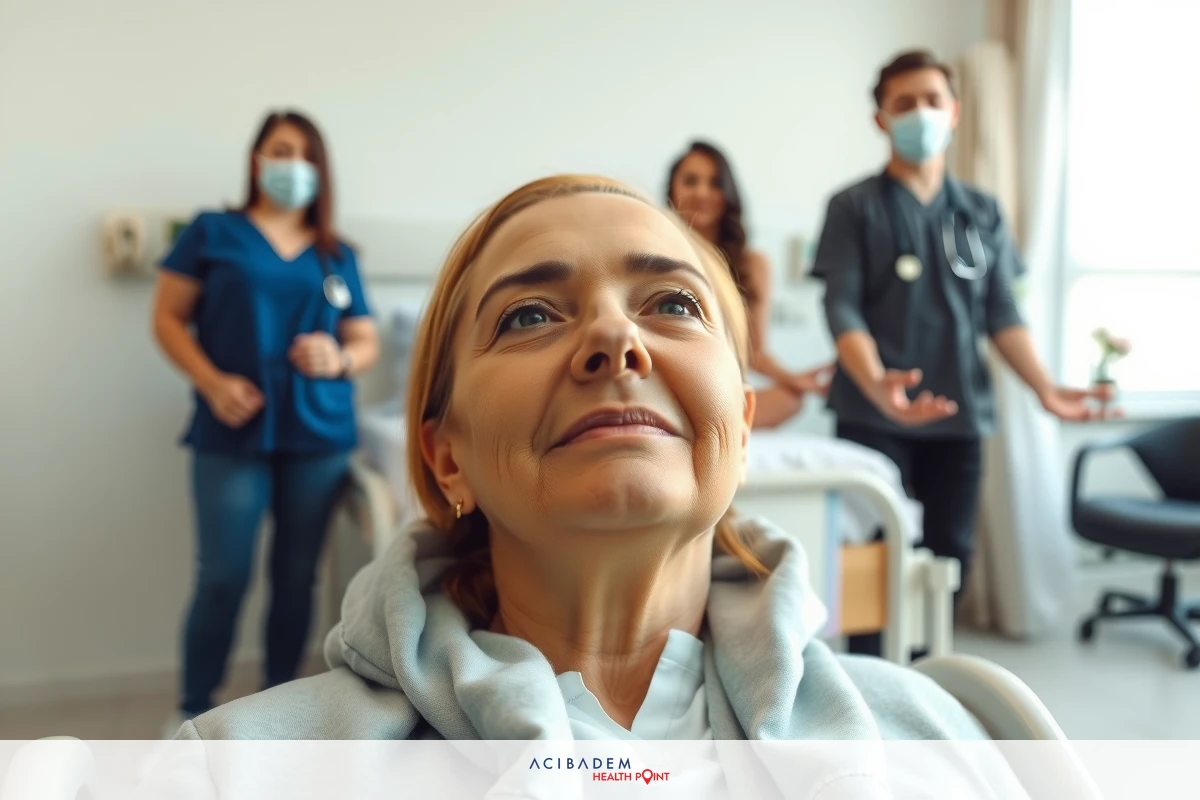
Mindfulness meditation is a peaceful practice that lung cancer patients can benefit from. It involves sitting quietly and focusing on the breath or a mantra. This simple act of mindfulness reduces stress which is so common when facing illness. Many medical centers now include it as part of their therapy options.
Regular meditation has been shown to improve the quality of life for those with lung cancer. It helps calm the mind making it easier to cope with anxiety and fear. Patients often feel more at peace after meditating even if just for a few minutes daily. Plus, it’s something you can do anywhere, anytime.
Incorporating mindfulness into your routine doesn’t require special skills or equipment. All you need is a quiet spot and willingness to focus inwardly each day. As an alternative treatment option many find this practice offers comfort during tough times in their journey with lung cancer.
Exercise Programs
Exercise is a key component of lung cancer care often recommended by healthcare providers. Tailored exercise programs are designed to match individual abilities and needs. These routines aim to boost physical fitness without overburdening the patient’s body. Medical centers may offer specific programs that cater to those undergoing treatment for lung cancer.
Regular physical activity has numerous benefits during cancer treatment. It can help maintain muscle strength and improve endurance over time. For many patients, exercise reduces fatigue, which is a common side effect of both the disease and its treatments. Safe exercises also promote better sleep patterns and enhance mood.
Strength training, in particular, supports the preservation of muscle mass during chemotherapy or radiation therapy sessions. Simple resistance exercises are gentle on the joints yet effective in building resilience. Always start with guidance from medical professionals who understand your unique health status when beginning an exercise program.
Cardiovascular activities like walking or light cycling can be beneficial as well. They keep your heart strong and help manage weight changes linked to lung cancer treatments. Some studies suggest that moderate aerobic exercise might even improve breathing capacity for those affected by lung cancers.
Support Groups
Support groups are a vital resource for those facing lung cancer. They offer a space to share experiences and feelings with others who understand. These groups provide emotional support that can be as important as medical treatment. Often participants find comfort and strength in the shared stories of survival and challenge.
In these groups you’re not alone; everyone there has been touched by lung cancer in some way. Members exchange tips on managing symptoms and side effects from treatment. They also discuss ways to navigate the healthcare system and connect with medical centers offering alternative treatments or therapy options.
Having a network of support has been shown to improve outcomes for many patients. It can lead to better coping strategies and even enhance one’s quality of life during this tough journey. Moreover, friends and family members may also benefit from attending such meetings, gaining insights into how best to help their loved ones.
Many hospitals and clinics provide information about local support groups available within the community. Some organizations offer online forums or virtual meetings which can be especially helpful if traveling is difficult due to health reasons or if living in remote areas.
Frequently Asked Questions
What are alternative treatments for lung cancer?
Alternative treatments can include acupuncture, nutrition therapy, mindfulness meditation, and exercise programs. They serve as complements to conventional medical treatments.
Can alternative therapies cure lung cancer?
No alternative therapies are not a cure for lung cancer. They aim to improve quality of life and assist with symptom management during traditional treatment.
How do I know if an alternative treatment is safe to use with my current lung cancer therapy?
Always consult your healthcare provider before starting any new treatment. Your doctor will advise you on the safety and compatibility with your existing treatment plan.

