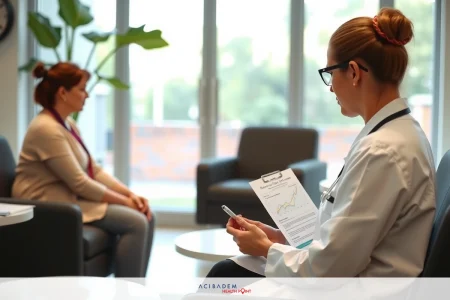
Brain Damage After Closed Head Injury
Brain Damage After Closed Head Injury Brain damage from a closed head injury is very serious. It can greatly change how someone lives their life. These injuries are often called traumatic brain injury (TBI). They happen when something outside hits the head, moving the brain inside the skull.
This can lead to many serious health problems. It’s important to understand how these injuries work to see the effects they have on people.
In the U.S., the CDC says many people get closed head injuries every year. This makes it a big health issue. We will look into how brain damage happens after these injuries. We will also talk about the bad effects that can happen later, called post-concussion syndrome. We will see what the future looks like for people with these injuries.
This will help us understand the big challenges people face when they get these injuries. We will also see how to lessen the effects of these serious injuries.
Understanding Closed Head Injuries
Closed head injuries happen when the brain gets hurt from an impact without an object going through the skull. These injuries can be mild or very serious. It’s important to know what they are, why they happen, and the different kinds.
Definition of Closed Head Injuries
A closed head injury means the skull is not broken but the brain gets hurt. This can cause problems like concussions, brain bruises, and damage to brain connections. Unlike open injuries where the skull is broken, closed injuries have swelling and bleeding inside the head without an outside wound.
Common Causes
Closed head injuries can come from many things. Some common causes are:
- Falls: Falls from high places or slipping and falling are big causes, especially for older people.
- Motor Vehicle Accidents: Fast car crashes often lead to serious head injuries from hitting the dashboard or steering wheel.
- Sports Injuries: Sports like football, boxing, and hockey can cause head injuries from hits or sudden moves.
The National Institute of neurological Disorders and Stroke says these are top reasons for closed head injuries.
Types of Closed Head Injuries
There are many kinds of closed head injuries. These include:
- Concussions: These are common and happen from sudden hits or shaking. They can cause a lot of problems.
- Brain Contusions: These are bruises on the brain from strong hits. They can be mild or very serious.
- Diffuse Axonal Injuries: These happen in fast accidents and damage the brain’s white matter. This affects how the brain sends signals.
Knowing about closed head injuries helps us spot the signs and get the right medical help fast. Studies show it’s very important to see a doctor right away if you think someone has one of these injuries.
Symptoms of Brain Damage After Closed Head Injury
After a closed head injury, brain damage can show in many ways. It can affect how we feel, think, and move. Knowing these signs is key for quick help and care.
Physical Symptoms
People often get headaches, feel dizzy, and get very tired after a closed head injury. Other signs might be:
- Visual disturbances
- Hearing issues
- Balance problems
- Changes in sleep patterns
Cognitive Symptoms
Signs in the brain can really affect how we think. People might forget things, have trouble paying attention, or find it hard to process info. These include:
- Memory loss
- Executive function impairment
- Difficulty concentrating
- Language difficulties
| Symptom | Impact |
|---|---|
| Memory Loss | Struggles to recall information |
| Executive Function Impairment | Issues with planning and decision-making |
| Attention Deficit | Difficulty focusing on tasks |
| Language Problems | Challenges in communication and comprehension |
Emotional and Behavioral Symptoms
Changes in feelings and actions can be big. Mood swings, feeling irritable, and depression are common. Other signs include:
- Anxiety
- Uncharacteristic aggression
- Social withdrawal
- Reduced motivation
Brain Damage After Closed Head Injury Spotting these signs after a brain injury means getting help fast. This helps with the right treatment and recovery steps.
Immediate Steps to Take After a Head Injury
If someone gets a head injury, acting fast is key. Knowing what to do first can really help. This guide will cover first aid for concussion and important steps to take after.
First, check the situation quickly:
- Make sure the injured person is in a safe place to avoid more harm.
- See if they can wake up and if they’re breathing. If not, call 911 and start CPR.
Then, give basic first aid for concussion:
- Keep the person still and comfy, lying down with their head a bit higher.
- Use a cold pack on swollen areas to lessen swelling and pain.
- Don’t give them food, drink, or medicine without a doctor’s say-so.
Know when to get medical help for head trauma:
- If they keep vomiting, have bad headaches, or are not awake, get help right away.
- Seeing them dizzy, confused, or acting strange means they need a doctor.
Following these steps is key to quick and right action after a head injury. It lowers the chance of serious problems. Always follow these precautions to keep the injured person safe. In bad cases, getting medical help fast is the best thing to do.
Diagnostic Methods for Assessing Brain Damage
After a closed head injury, doctors use many tools to check for brain damage. They use CT scans, MRI, and do neurological and cognitive tests. These help find out how much damage there is and what it means for the patient. Brain Damage After Closed Head Injury
Imaging Techniques
A CT scan is key for checking the brain after a head injury. It shows if there’s damage, bleeding, or swelling. MRI scans also help by showing detailed images of the brain. They’re great at finding damage that’s not easy to see.
Neurological Exams
Doctors do neurological exams to check how the brain is working. They look at muscle strength, how well you move, and how you feel things. These exams are important for finding problems early and helping with treatment.
Cognitive Assessments
Brain Damage After Closed Head Injury Cognitive tests check how the brain affects thinking and memory. They look at things like memory, focus, and solving problems. These tests help make plans for recovery and understand how the injury affects daily life.
Using all these methods together helps doctors understand brain damage better. This leads to better treatment plans and helps patients get better.
| Diagnostic Tool | Purpose | Advantages | Limitations |
|---|---|---|---|
| CT Scan | Identifies structural damage | Quick, effective for detecting bleeding or swelling | Less detailed compared to MRI |
| MRI | Detects soft tissue damage | High resolution, effective for diffuse axonal injury | Longer procedure time, more expensive |
| Neurological Exam | Evaluates motor and cognitive functions | Non-invasive, early deficit detection | Requires experienced neurologist |
| Cognitive Assessment | Measures cognitive impairments | Helps craft effective rehabilitation plans | Time-consuming, patient-dependent |
Short-Term and Long-Term Effects of Brain Damage
Brain damage from closed head injuries can cause many immediate and ongoing effects. It’s important to know both the short-term and long-term effects. This helps with the right care and action.
Initial Brain Swelling and Infection Risks
Right after a head injury, the brain might swell. This is called cerebral edema. It can make the brain pressure go up, causing headaches, vomiting, and changes in how awake someone feels.
There’s also a higher chance of getting infections like meningitis. These infections can make things worse after the injury. Doctors must work fast to lessen swelling and stop infections to prevent more harm.
Chronic Traumatic Encephalopathy (CTE)
Chronic Traumatic Encephalopathy (CTE) is a long-term effect of TBI. It shows up years after the injury. Symptoms include memory loss, getting confused, poor judgment, and getting dementia.
Studies from the CTE Center at Boston University show that repeated head blows play a big part in this. Many ex-athletes and military folks get it.
Long-Term Cognitive Decline
Brain injuries can lead to long-term thinking problems. How much it gets worse depends on the injury’s severity, the person’s age, and rehab access. Symptoms are trouble with memory, paying attention, and making decisions.
These effects make everyday tasks hard and lower life quality. That’s why early and ongoing help is key.
| Short-Term Effects | Long-Term Effects |
|---|---|
| Brain swelling | Chronic Traumatic Encephalopathy (CTE) |
| Risk of infections | Long-term cognitive decline |
| Increased intracranial pressure | Neurodegeneration |
Rehabilitation Options for Brain Damage Patients
Recovering from a brain injury takes a lot of work. It includes physical therapy, cognitive rehab, and psychological support. These programs help people get better and improve their lives after brain damage.
Physical Therapy
Physical therapy is a big part of getting better after a brain injury. It helps people get stronger, move better, and be more independent. Physical rehabilitation exercises are key to this.
Therapists work with other doctors to make a plan just for you. They want to help you do things you used to do easily again.
| Type | Focus | Benefits |
|---|---|---|
| Strength Training | Increasing muscle strength | Enhanced mobility, better balance |
| Coordination Exercises | Improving fine motor skills | Better hand-eye coordination |
| Mobility Training | Walking and gait improvement | Increased independence |
Cognitive Rehabilitation
Cognitive rehabilitation is key for the mind after a brain injury. It helps with memory, attention, and solving problems. Through neuropsychological therapy, people learn new ways to handle their challenges.
These programs use computers and real-life tasks to help the brain heal.
- Memory exercises to enhance recall abilities
- Attention training to improve concentration
- Problem-solving tasks to foster critical thinking
Psychological Support
Living after a brain injury is hard for patients and their families. Post-brain injury counseling offers the support needed. It includes therapy with experts in trauma recovery.
Brain Damage After Closed Head Injury This support helps with mental health, lowers anxiety, and teaches ways to deal with rehab stress.
In conclusion, programs that include physical rehabilitation exercises, neuropsychological therapy, and post-brain injury counseling are key for recovery. Groups like the American Occupational Therapy Association show how these efforts change lives. Brain Damage After Closed Head Injury
Preventative Measures to Avoid Brain Damage
Keeping your brain safe is key for staying healthy and happy. Using smart steps can really lower the chance of brain damage.
Safety Equipment Use
Wearing the right safety gear is a big part of keeping your brain safe. Helmets are very important for things like biking, playing football, and working on construction sites. They help soak up the shock when you bump your head, which can prevent serious brain injuries.
Adequate Supervision During Activities
Watching over kids and young athletes during fun and sports is also very important. It helps catch any accidents early and stop them from getting worse. This is why it’s good to have adults watching over kids at the playground or in team sports.
Education and Awareness
Learning and knowing about brain injuries is the first step to preventing them. Programs like the CDC’s Heads Up and the National Safety Council teach us how to stay safe. They help us all be more careful and take steps to avoid brain injuries.
Legal Aspects and Support Resources for Victims
Dealing with TBI litigation means understanding the laws that help victims of closed head injuries. It’s hard to go through the legal system alone. But, getting the right compensation is key for medical bills and long-term care.
Victims have legal ways to fight for their rights and get paid. To start, they need to collect lots of documents like medical records and expert opinions. This helps build a strong case. Brain Damage After Closed Head Injury
Getting compensation for brain injuries means knowing about personal injury laws. This includes understanding who is to blame and if they were careless. Having a lawyer can make things clearer and help victims get fair pay for their injuries.
There are many groups and resources to help victims. The Brain Injury Association of America (BIAA) gives support and info. Legal aid services also offer big help, explaining rights and what to do next in court.
| Support Resource | Service Provided |
|---|---|
| Brain Injury Association of America (BIAA) | Education, Advocacy, Resource Connection |
| Legal Aid Services | Free or Low-Cost Legal Counsel |
| Personal Injury Lawyers | Legal Representation, Case Building |
| Support Groups | Emotional Support, Community Resources |
Using these resources helps victims deal with the legal stuff and protect their rights. Knowing about the support available can really change the outcome of TBI cases and help get compensation. Brain Damage After Closed Head Injury
Living with Brain Damage: Coping Strategies
Life after a brain injury is tough. But, there are ways to help survivors live better. There are strategies and resources to make life easier and better.
Daily Life Adjustments
For those with brain injuries, using daily aids is key. Things like planners, apps, and special kitchen tools make everyday tasks easier. Having a set routine and using visual reminders can also help a lot.
Support Networks
Support groups are very important for brain injury survivors. They offer both emotional support and helpful advice. Groups like the Brain Injury Association of America connect survivors and families, sharing stories and advice.
Adaptive Technologies
New devices are changing how people with brain injuries live. Things like smart home tech, speech-to-text software, and health trackers are just a few examples. These tools can make a big difference, giving survivors more control over their lives.
Using these strategies can really improve life for those with brain damage. It helps them feel more independent and confident.
Importance of Timely Medical Intervention
The term “golden hour in injury response” is very important. It’s a short time that can greatly change a patient’s outcome. During this time, quick action can lessen brain damage from head injuries.
Studies in the Journal of Head Trauma Rehabilitation show that fast medical help can lessen long-term damage. This includes problems with thinking and moving.
It’s key to know how early help in TBI works for doctors and regular people. Quick checks and treatments can spot hidden injuries. This is where emergency services are vital, starting important care right away.
EMTs and paramedics say fast, smart actions early on can really help. The Journal of Head Trauma Rehabilitation says getting care fast can help patients get better and live better lives. So, quick medical help is a must to lessen the bad effects of head injuries.
FAQ
What is a traumatic brain injury (TBI)?
A traumatic brain injury (TBI) happens when the brain gets hurt from a blow or a jolt to the head. It can come from falls, car crashes, or sports. TBIs can be mild or very serious. The CDC has lots of info on this.
What are the common causes of closed head injuries?
Closed head injuries are usually from blows to the head without breaking the skull. They often happen from falls, car accidents, sports, or fights. They can happen to anyone, at any age. The National Institute of Neurological Disorders and Stroke talks about this a lot.
What types of symptoms may appear after a closed head injury?
After a closed head injury, you might feel tired, dizzy, or have headaches. You could also have trouble remembering things or making decisions. Feeling sad or anxious is common too. The Mayo Clinic and the American Association of Neurological Surgeons have more info on these symptoms.
What immediate steps should be taken after sustaining a head injury?
First, check how bad the injury is. Use ice to help with swelling. If you're really hurt, get medical help fast. The American Red Cross says to stay calm and wait for help if you need it.
How is brain damage diagnosed following a head injury?
Doctors use scans like CT and MRI to see brain damage. They also check how well you can move and think. The American Journal of Neuroradiology and the American Academy of Neurology explain how they do this.
What are some short-term and long-term effects of brain damage?
Right after an injury, the brain might swell and you could get infections. Later, you might get Chronic Traumatic Encephalopathy (CTE) or have trouble thinking. The Journal of Neurotrauma and the CTE Center at Boston University talk about these issues.
What rehabilitation options are available for brain damage patients?
Patients can get physical therapy to move better and think clearer. They can also get help for their feelings. The American Occupational Therapy Association says these programs really help people recover.
What preventative measures can be taken to avoid brain damage?
Wear helmets and be careful in risky activities. Learn about safety through programs like the CDC's Heads Up. The National Safety Council says these steps are key to staying safe.
Are there legal resources and support available for victims of brain injuries?
Yes, people hurt by brain injuries can get legal help and support. There are groups like the Brain Injury Association of America. Legal cases show how people fight for their rights.
How can individuals cope with living with brain damage?
Adjust your life, get support, and use special tech for brain injuries. The American Congress of Rehabilitation Medicine has resources and advice for coping.
Why is timely medical intervention crucial following a head injury?
Getting medical help fast can really change the outcome of a head injury. It can lessen the chance of lasting harm. The Journal of Head Trauma Rehabilitation talks about why quick action is key.