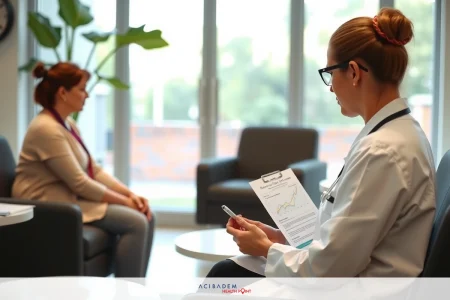
Concussion Test Questions for Accurate Diagnosis
Welcome to Acibadem Healthcare Group, where accurate diagnosis of concussions is our priority. Concussions, a type of traumatic brain injury, can have serious consequences if not properly diagnosed and managed. That’s why concussion test questions play a crucial role in evaluating and understanding the impact of head injuries.
At Acibadem Healthcare Group, we specialize in comprehensive evaluations for individuals with head injuries, including concussions. Our team of experts utilizes a range of assessment tools to gather vital information, with concussion test questions being a fundamental component.
Concussion test questions are designed to assess various cognitive functions, such as memory, attention, and executive abilities, allowing healthcare providers to accurately diagnose and understand the extent of the injury. These questions provide insights into how the brain is functioning post-injury and aid in treatment planning.
With our commitment to cutting-edge medical advancements, Acibadem Healthcare Group utilizes state-of-the-art technology and the expertise of our highly skilled medical professionals. We ensure that every patient receives a thorough evaluation, enabling us to provide personalized care and guide the recovery process effectively.
When it comes to concussion assessments, trust Acibadem Healthcare Group for accurate diagnoses, individualized treatment plans, and dedicated support throughout your recovery journey. Explore our services and experience the difference today.
Understanding Head Injury Evaluations
In order to accurately assess head injuries and brain trauma, thorough head injury evaluations are essential. These evaluations provide valuable insights into the extent of the injury and help determine the most appropriate course of treatment.
During a head injury evaluation, various assessments and tests are conducted to gather comprehensive information about the individual’s condition. These evaluations are typically performed by experienced healthcare professionals, such as neurologists or specialists in traumatic brain injuries.
One of the primary goals of a head injury evaluation is to assess brain trauma, which may include identifying areas of injury or abnormalities in brain function. This assessment often involves:
- Neurological examinations to evaluate reflexes, sensory functions, and motor skills
- Cognitive function tests to assess memory, attention, and executive functions
- Imaging tests, such as CT scans or MRIs, to visualize brain structures and identify any structural abnormalities
- Physical examinations to evaluate overall health and identify any associated injuries
By combining the results of these evaluations, healthcare professionals can develop a comprehensive understanding of the individual’s head injury and create a tailored treatment plan. This plan may include various interventions, such as medication, therapy, or rehabilitation programs, depending on the severity and specific needs of the patient.
| Evaluation Components | Purpose |
|---|---|
| Neurological examinations | Evaluate reflexes, sensory functions, and motor skills |
| Cognitive function tests | Assess memory, attention, and executive functions |
| Imaging tests (CT scans or MRIs) | Visualize brain structures and identify abnormalities |
| Physical examinations | Evaluate overall health and identify associated injuries |
It is crucial to undergo a head injury evaluation promptly after sustaining a head injury to ensure early detection and intervention. Not only does this provide a more accurate diagnosis, but it also enables healthcare professionals to implement appropriate treatment strategies that can enhance recovery and minimize long-term complications.
Essential Concussion Assessment Tools
In order to accurately assess concussions and guide treatment planning, healthcare professionals rely on a variety of essential tools, including cognitive function tests. These tests play a crucial role in evaluating different aspects of brain function, helping to determine the extent of cognitive impairment and inform appropriate interventions.
The Importance of Cognitive Function Tests
Cognitive function tests play a vital role in concussion assessment by evaluating various domains of brain function, such as:
- Memory: Assessing the ability to acquire, retain, and recall information.
- Attention: Evaluating the capability to sustain focus and filter out distractions.
- Processing Speed: Measuring the speed at which individuals can perceive and respond to information.
- Executive Functions: Assessing higher-level cognitive processes, including problem-solving, decision-making, and planning.
These tests provide valuable insights into an individual’s cognitive abilities and help healthcare professionals tailor treatment plans accordingly.
Examples of Cognitive Function Tests
There are several widely-used cognitive function tests employed in concussion assessments, including:
| Test Name | Description |
|---|---|
| Immediate Post-Concussion Assessment and Cognitive Testing (ImPACT) | An online tool that assesses multiple cognitive abilities, including memory, attention, and reaction time. |
| Concussion Resolution Index (CRI) | A computer-based test that evaluates cognitive processing speed, reaction time, and working memory. |
| King-Devick Test | An objective measure of rapid eye movements, which is linked to reading ability and cognitive processing speed. |
These tests, along with others, are administered and interpreted by trained professionals to provide comprehensive cognitive assessments for individuals with concussions.
In summary, concussion assessment tools, specifically cognitive function tests, are essential in accurately evaluating brain function and guiding the treatment of concussions. By assessing memory, attention, processing speed, and executive functions, these tests help healthcare professionals develop tailored interventions to support recovery and improve outcomes.
Evaluating Post-Concussion Syndrome
Evaluating post-concussion syndrome is crucial in understanding and managing the symptoms that can develop after a head injury. Post-concussion syndrome occurs when the symptoms of a concussion persist for an extended period, impacting an individual’s daily life and cognitive function.
To assess post-concussion syndrome, healthcare professionals rely on cognitive assessments after head injuries. These assessments help evaluate various cognitive functions, such as memory, attention, and executive functions, providing valuable insights into the extent of impairment and guiding appropriate treatment strategies.
Cognitive Assessment after Head Injury
Cognitive assessment plays a vital role in detecting and monitoring the cognitive changes associated with post-concussion syndrome. The evaluation typically includes a combination of standardized tests and subjective measures, allowing healthcare providers to identify specific areas of cognitive impairment and tailor interventions accordingly.
Common cognitive assessment tools used after a head injury include:
- The Montreal Cognitive Assessment (MoCA) evaluates various cognitive domains, such as attention, memory, language, and orientation. It helps identify any deficits in these areas and provides a comprehensive overview of cognitive function.
- The Symbol Digit Modalities Test (SDMT) assesses visual scanning speed, attention, and working memory. It measures the individual’s ability to accurately match symbols with corresponding numbers within a set time frame.
- The Trail Making Test (TMT) evaluates cognitive flexibility and visual attention. It requires individuals to connect a series of numbered dots in a specific order, assessing their ability to shift attention and maintain mental flexibility.
By utilizing these cognitive assessment tools, healthcare professionals can accurately evaluate the cognitive function of individuals experiencing post-concussion syndrome. This evaluation helps establish a baseline for comparison, track progress during recovery, and guide appropriate treatment interventions.
| Cognitive Assessment Tool | Evaluation Areas |
|---|---|
| Montreal Cognitive Assessment (MoCA) | Attention, memory, language, orientation |
| Symbol Digit Modalities Test (SDMT) | Visual scanning speed, attention, working memory |
| Trail Making Test (TMT) | Cognitive flexibility, visual attention |
These cognitive assessment tools, along with a comprehensive evaluation of post-concussion symptoms, enable healthcare professionals to develop personalized treatment plans, targeting the specific cognitive impairments experienced by individuals with post-concussion syndrome.
Sports Concussion Protocols
In the realm of sports, concussions are not uncommon occurrences. The well-being of athletes is of utmost importance, and thus, specific protocols have been established to ensure their safety and recovery. These sports concussion protocols are designed to guide medical professionals, coaches, and athletes in making informed decisions about returning to play and minimizing the risk of further injury.
One critical aspect of these protocols is brain injury screening. This screening process involves comprehensive assessments that evaluate the extent of the brain injury and its impact on the athlete’s cognitive function. By utilizing advanced diagnostic tools and techniques, medical professionals can gain valuable insights into the athlete’s condition and tailor their treatment and recovery plan accordingly.
Brain injury screening involves various tests, such as:
- Cognitive function tests: These assessments measure different aspects of cognitive function, including memory, attention, and executive functions. They provide crucial information about any impairments or deficits caused by the concussion.
- Neurological examinations: These examinations evaluate various neurological functions, such as reflexes, coordination, and sensory capabilities. They help identify any abnormalities or signs of brain trauma.
By combining brain injury screening with sports concussion protocols, healthcare professionals can make well-informed decisions regarding an athlete’s readiness to return to play. These decisions are based on careful evaluation and consideration of the individual’s recovery progress and potential risks.
It is crucial to note that sports concussion protocols are not one-size-fits-all solutions. Each concussion is unique, and individualized assessment and treatment plans are essential for ensuring optimal recovery.
Implementing sports concussion protocols and conducting thorough brain injury screenings can help mitigate the risks associated with concussions and prioritize the long-term health and well-being of athletes. By adhering to these protocols, we can make informed decisions and provide the necessary support for athletes to safely return to their sport.
The Role of Neurological Examination
In the assessment of concussions and brain trauma, neurological examinations play a pivotal role. These examinations evaluate various neurological functions to aid in the diagnosis of these conditions. By assessing specific aspects of brain function, healthcare professionals can gather critical information that assists in formulating an accurate diagnosis and determining appropriate treatment plans for patients.
Neurological Functions Assessed
During a neurological examination for concussion and brain trauma assessment, several key functions are evaluated to gain a comprehensive understanding of the individual’s condition. These assessments typically include:
- Sensory perception
- Muscle strength and coordination
- Reflexes
- Gait and balance
- Cognitive function
The assessment of sensory perception helps identify any abnormalities in the individual’s ability to perceive touch, temperature, or pain. Muscle strength and coordination evaluations provide insights into potential impairments that may result from the injury. Reflex tests measure the automatic response of the body to certain stimuli and can indicate any disruptions in neurological pathways. Gait and balance assessments help identify any problems with movement or coordination.
Furthermore, cognitive function tests are a critical component of neurological examinations for concussions and brain trauma. These tests assess memory, attention, and other cognitive abilities, as they are often affected by head injuries.
Benefits of Neurological Examination
The neurological examination for concussion and brain trauma assessment offers several important benefits. Firstly, it allows healthcare professionals to objectively evaluate an individual’s neurological functions, providing valuable information to support an accurate diagnosis. The examination helps identify any deficits or abnormalities in sensory perception, muscle strength, reflexes, and cognitive function, enabling tailored treatment plans to address the specific needs of the patient.
Furthermore, neurological examinations play a crucial role in monitoring the progression of recovery and evaluating the effectiveness of treatment interventions. By regularly assessing neurological functions, healthcare professionals can track improvements and make adjustments to the treatment plan as needed.
| Benefits of Neurological Examination | Role in Concussion Assessment |
|---|---|
| 1. Objective evaluation of neurological functions | 1. Supports accurate diagnosis |
| 2. Identification of deficits and abnormalities | 2. Enables tailored treatment plans |
| 3. Progress monitoring and treatment adjustment | 3. Evaluates the effectiveness of interventions |
By utilizing neurological examinations as part of the comprehensive assessment process, healthcare providers can deliver optimal care to individuals with concussions and brain trauma. These examinations aid in understanding the extent of the injuries, guiding treatment decisions, and promoting successful recovery outcomes.
Understanding the Impact on Cognitive Function
Concussions can have a significant impact on cognitive function, affecting various aspects of memory, attention, and executive functions. To assess these cognitive impairments, healthcare professionals utilize a range of cognitive function tests and concussion assessment tools.
Assessing Memory
Memory deficits are common after a concussion, and cognitive tests are designed to evaluate different types of memory impairments. These tests assess an individual’s ability to remember and recall information, such as words, images, or past events.
Evaluating Attention
Concussions can also lead to attention-related difficulties, affecting an individual’s ability to concentrate and focus. Cognitive tests measure attention span, divided attention, and selective attention, providing valuable insights into the impact of a concussion on attentional capabilities.
Measuring Executive Functions
Executive functions refer to a set of cognitive processes responsible for planning, problem-solving, and decision-making. Concussions can disrupt these functions, leading to difficulties in organizing thoughts, managing time, and implementing strategies. Cognitive tests evaluate executive functions to identify any impairments.
| Cognitive Function Test | Objective |
|---|---|
| Digit Span Test | Evaluates short-term memory and attention |
| Trail Making Test | Measures attention, mental flexibility, and visual-motor skills |
| Stroop Test | Assesses selective attention and cognitive flexibility |
| Wisconsin Card Sorting Test | Measures cognitive flexibility and problem-solving abilities |
| Verbal Fluency Test | Evaluates verbal fluency and language-related executive functions |
These cognitive function tests, along with other concussion assessment tools, provide valuable information to healthcare professionals, enabling them to understand the extent of cognitive impairments caused by a concussion and develop appropriate treatment plans for individuals.
Recovery Support and Treatment Options
Recovering from a concussion requires proper support and access to effective treatment options. Ongoing brain injury screenings and the utilization of concussion assessment tools play a crucial role in monitoring progress and guiding the recovery process.
Importance of Brain Injury Screening
Brain injury screening is a vital component of concussion management. It involves comprehensive evaluations to identify any underlying brain damage and assess the severity of the injury. By regularly screening for brain injuries, healthcare professionals can track progress, identify potential complications, and adjust treatment plans accordingly. This proactive approach ensures that the patient receives the necessary support for a successful recovery.
Utilizing Concussion Assessment Tools
Concussion assessment tools are essential for accurately diagnosing and monitoring concussions. These tools measure various cognitive functions, such as memory, attention, and executive functions, which can be affected by head injuries. By using these assessment tools regularly, healthcare professionals can evaluate the patient’s progress, identify areas of impairment, and tailor the treatment plan to address specific challenges.
Here are some commonly used concussion assessment tools:
- Cognitive Function Tests: Assess cognitive abilities, including memory and attention.
- Balance Assessments: Evaluate postural stability and detect any balance impairments.
- Neurological Examinations: Evaluate various neurological functions, including reflexes, sensation, and coordination.
| Concussion Assessment Tools | Benefits |
|---|---|
| Cognitive Function Tests | Aid in diagnosing cognitive impairments and monitoring progress |
| Balance Assessments | Identify balance impairments and guide rehabilitation interventions |
| Neurological Examinations | Evaluate various neurological functions and assess overall brain health |
By utilizing these assessment tools, healthcare professionals can gain valuable insights into the patient’s recovery process and make informed decisions regarding the treatment plan.
Conclusion
In conclusion, concussion test questions play a crucial role in accurately diagnosing brain injuries and supporting the recovery process. The expertise of Acibadem Healthcare Group in providing comprehensive evaluations for individuals with concussions cannot be understated. By employing a combination of cognitive function tests, neurological examinations, and post-concussion syndrome evaluations, Acibadem Healthcare Group ensures a thorough assessment of each patient’s condition.
Through the use of these concussion assessment tools, healthcare professionals can evaluate cognitive functions and identify any areas of impairment. This assessment enables them to design personalized treatment plans that address the unique needs of each patient, leading to better outcomes and enhanced recovery.
At Acibadem Healthcare Group, patient well-being is the top priority. The expert medical staff and state-of-the-art facilities enable individuals with concussions to receive accurate diagnoses and tailored treatment options. By utilizing concussion test questions as part of their evaluation process, Acibadem Healthcare Group ensures that patients receive the care and support they need for a successful recovery.
FAQ
What are concussion test questions?
Concussion test questions are a set of questions used to evaluate individuals who may have suffered a head injury. These questions assess various aspects of cognitive function, including memory, attention, and problem-solving abilities, to determine the presence and severity of a concussion.
How can Acibadem Healthcare Group help with concussion evaluations?
Acibadem Healthcare Group specializes in providing comprehensive evaluations for head injuries, including concussions. They have a team of experienced healthcare professionals who utilize advanced assessment tools and techniques to accurately diagnose concussions and develop appropriate treatment plans.
What is involved in a head injury evaluation?
A head injury evaluation typically involves a combination of medical history assessment, physical examination, and neurocognitive tests. Additionally, imaging studies such as CT scans or MRI may be conducted to evaluate the extent of the brain trauma.