Dendritic Cell Vaccine Therapy For Children
Dendritic Cell Vaccine Therapy For Children Dendritic Cell Vaccine Therapy For Children Dendritic cell vaccine therapy offers new hope in treating kids with cancer. Doctors use these cells to help the body fight disease better. Kids getting this treatment might have fewer side effects than with other therapies. It’s important because it can be gentle on young bodies that are still growing.Parents often look for safe treatments for their sick children. They want something that will not harm their child’s health as they grow up. Dendritic cell vaccine therapy could be a good choice because it works with the body’s own defenses.
When picking a treatment safety and how well it works are key things to think about. Dendritic cell vaccines offer an option worth looking at closely. Talking to your doctor can give you more facts about this kind of care for your child.
Benefits of Dendritic Cell Vaccines
Dendritic cell vaccines are a new step in pediatric oncology. They help the body’s immune system recognize and fight cancer cells. This can be very helpful for children who need treatment that is less harsh on their bodies.
The benefits of vaccine therapy using dendritic cells are many. One key advantage is that it often has fewer side effects than traditional treatments. Kids can avoid some of the tough parts of cancer care like hair loss or feeling sick all the time.
For children this type of treatment can mean a better quality of life during therapy. Being able to play and learn while fighting cancer is so important. Dendritic cell vaccines make this possible by being gentler on young patients’ bodies.
Doctors also see strong results from dendritic cell therapies in treating certain cancers. It’s exciting to have such promising options in pediatric oncology today. Families with sick kids now have hope for effective treatments that weren’t there before.
Treatment Process
The treatment process starts with a simple blood draw from the child. This is how doctors get the cells they need to make the vaccine. The cells are then sent to a lab where they become dendritic cells.
In the lab these special cells get trained to recognize cancer in the body. They learn to find and attach onto cancer cells so that the immune system can see them too. It’s like giving your immune system glasses to help it see better.
Once ready these dendritic cell vaccines go back into the child’s body through an injection. This part of treatment doesn’t take long at all and is usually done outpatient. That means most kids can go home on the same day as their shot.
After getting their vaccine children are closely watched by their doctors for any reactions. Follow-up care is crucial in making sure everything goes as planned with no problems along the way. Regular check-ups help keep track of how well treatment is working over time.
Research Findings
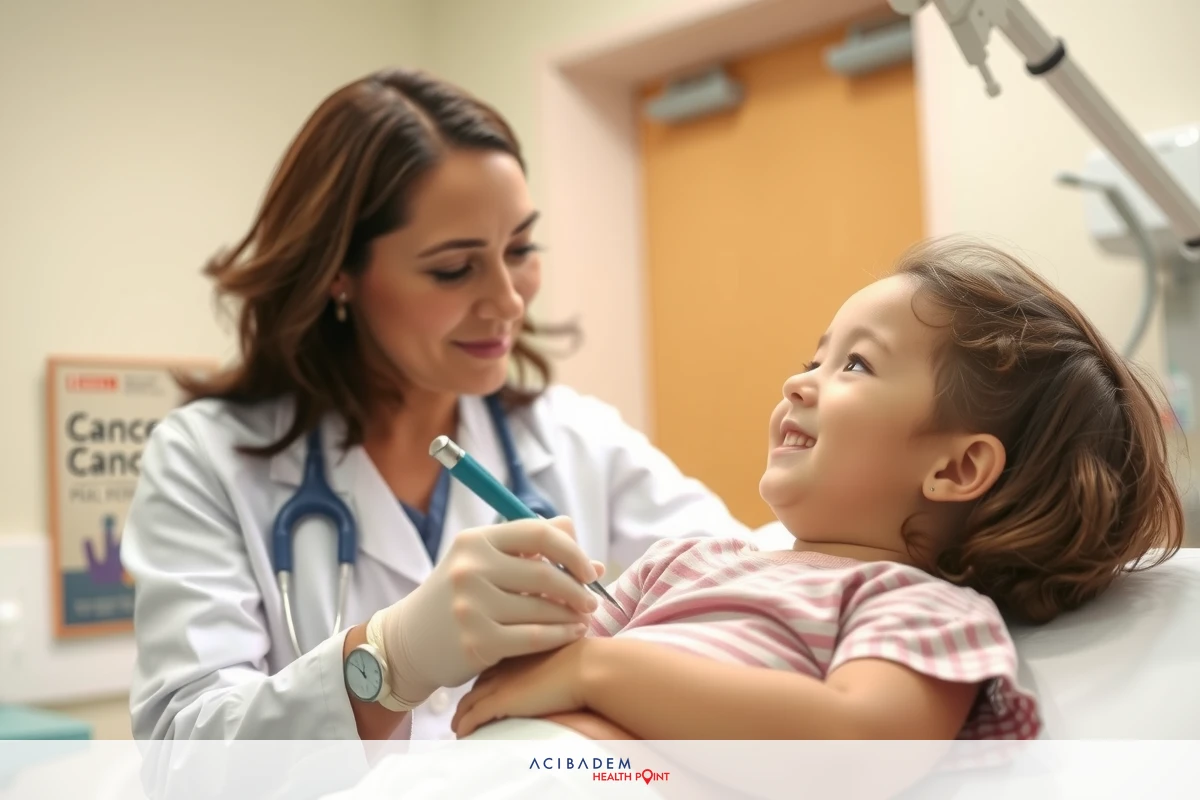
Recent studies have shown positive results for dendritic cell vaccine therapy. In pediatric oncology this treatment has helped some children fight off cancer better. The research focused on how the immune system responds to these vaccines.
The findings suggest that dendritic cell vaccines can boost a child’s natural defenses against cancer. This is promising because it indicates a step forward in less harmful treatments. Researchers saw that kids’ bodies could target and attack cancer cells more effectively after vaccination.
However scientists also note that every child’s case is different. While many show good responses ongoing research is key to understanding more. By continuing to study this therapy doctors hope to make it even better for all kids with cancer in the future.
Side Effects
Dendritic cell vaccine therapy, like any treatment, can have side effects. For children in pediatric oncology these are usually mild. Common side effects include soreness at the injection site and a slight fever.
These reactions are often seen as signs that the vaccine is working. The body’s immune system is responding to the therapy. However some children might feel tired or have a headache after treatment.
Serious side effects are rare with dendritic cell vaccines. But it’s important for doctors to watch each child carefully just in case. Quick action can manage any unexpected reactions that may occur.
Long-term risks related to this type of vaccine therapy remain under study. So far research has not found major concerns for children who receive this treatment long-term. This makes dendritic cell vaccines an attractive option for many families.
Doctors always balance the benefits of treatment against possible risks. With dendritic cell vaccines they find that kids generally do well and recover quickly from any side effects they experience. This reassures parents looking for safer cancer treatments for their children.
Cost and Insurance Coverage
The cost of dendritic cell vaccine therapy can vary widely. It often depends on the treatment length and specific needs of a child. Some families may find the expense significant but it’s important to check all options.
Insurance coverage for this type of therapy is not always clear-cut. Each plan has different rules about what treatments are covered. Parents should talk to their insurance provider to understand their policy better.
Consulting your insurance company early in the treatment planning process is wise. They can provide information on coverage limits, co-pays, and deductibles. Knowing these details helps families plan financially for their child’s care.
In some cases additional financial support may be available through various programs or charities. These resources aim to help ease the burden for families facing high medical costs in pediatric oncology.
Lastly talking with hospital administrators or social workers can also uncover possible ways to manage expenses. They often know about grants or funds set aside specifically for children undergoing treatments like dendritic cell vaccine therapy.
Frequently Asked Questions
What is dendritic cell vaccine therapy?
Dendritic cell vaccine therapy is a treatment that uses the body's immune cells to fight cancer.
Can all children with cancer receive this type of therapy?
Not all. It's best for certain types of cancer, and doctors decide if it fits each child's case.
How long does the treatment take?
The length varies. Some kids might need several sessions over a few months.