





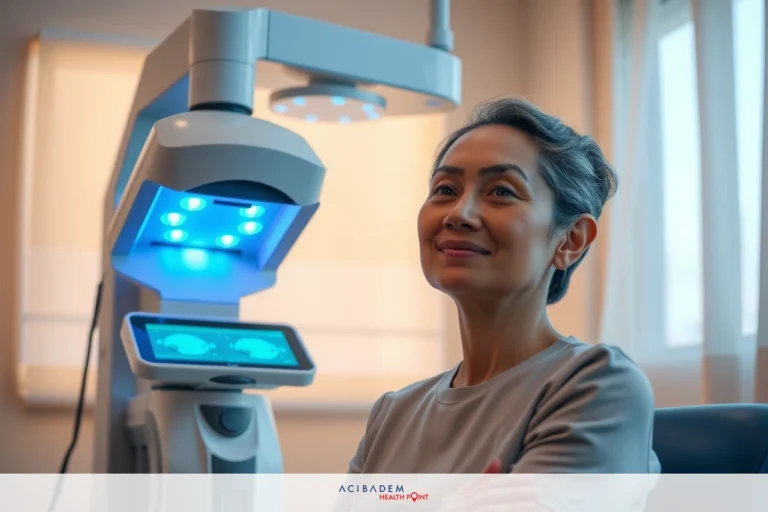
How Does Photodynamic Therapy Treat Cancer?
How Does Photodynamic Therapy Treat Cancer? Photodynamic therapy offers a way to fight cancer with light. Doctors use special drugs, called photosensitizing agents, along with light to kill cancer cells. The drug only works after it is activated by certain kinds of light. Patients receive the medication and then, after a set time, the treatment area is exposed to light.Cancer therapy might sound daunting but photodynamic therapy aims for simplicity. It targets cells in a specific area which reduces damage to healthy ones nearby. Light activation allows precise control over the treatment process. Many prefer this option because recovery time can be faster compared to other treatments.
When facing a diagnosis of cancer patients seek effective treatments with manageable side effects. Photodynamic therapy provides an alternative that involves less invasive methods than traditional options do. With guidance from medical professionals and proper care post-treatment many find improved quality of life following this method.
Benefits of Photodynamic Therapy
Photodynamic therapy has emerged as a beacon of hope in cancer treatment. Its precision targets only the cancer cells sparing healthy ones. This specificity is a significant benefit reducing overall harm to the body. Patients often experience fewer side effects compared to traditional methods.
One clear advantage of phototherapy is its non-invasive nature. Unlike surgery there are no incisions which leads to quicker recovery times. It’s an outpatient procedure that allows patients to return home the same day. Many find this aspect highly appealing for their lifestyle and comfort.
Cancer therapy can be a long journey filled with complex treatments but photodynamic therapy simplifies it somewhat. With just light and medication it activates only in the presence of cancer cells. The ease and simplicity offer patients peace amid their health battles.
Process of Photodynamic Therapy
The process of photodynamic therapy begins with a light-sensitive drug. This medication is injected or applied to the skin depending on the cancer’s location. It has no effect until it absorbs light of a specific wavelength. Once administered there’s usually a waiting period before light exposure.
During this waiting time the drug attaches itself to cancer cells but not healthy ones. The body gradually removes it from non-targeted areas over hours or days. Precision in targeting is what makes phototherapy an advanced cancer treatment strategy. This step by step approach minimizes potential harm and focuses on affected regions.
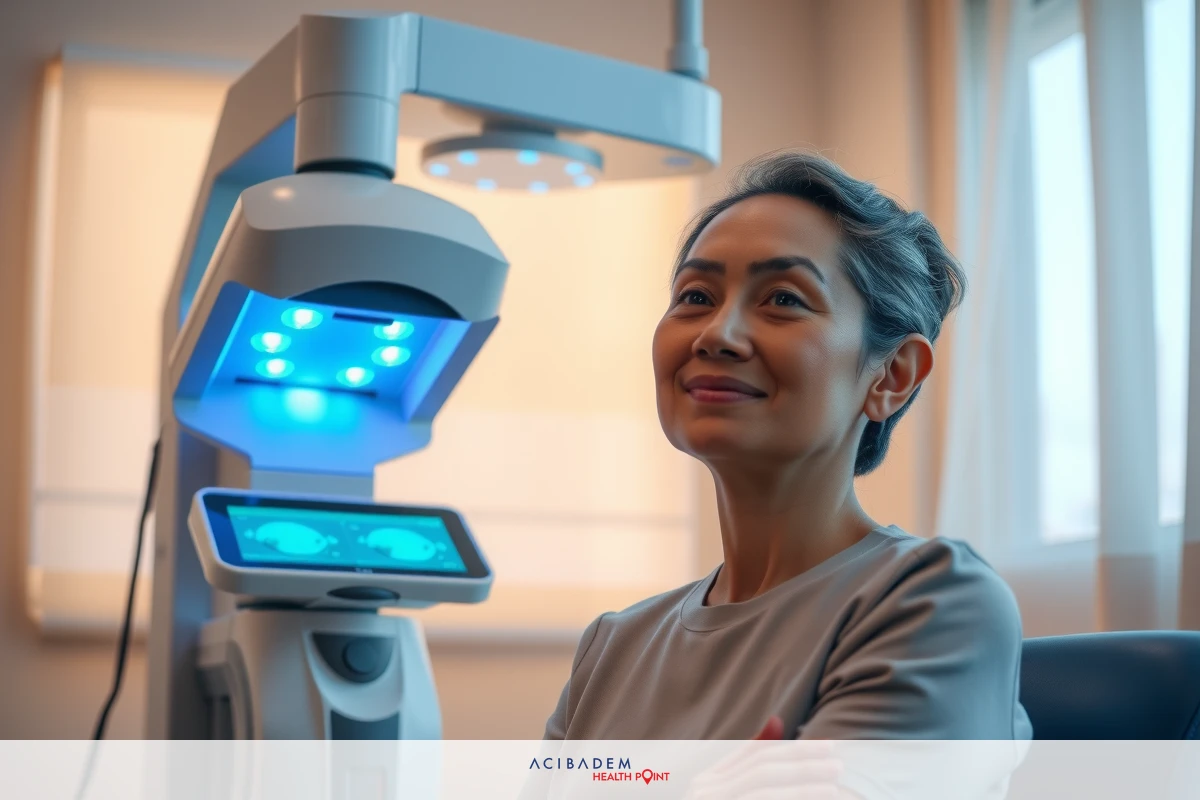
After the wait doctors use special lights to activate the drug inside those cells. The activation prompts a chemical reaction that destroys only cancerous tissues. For internal cancers, lasers might be used; for surface cancers, lamps may suffice in this phase of treatment for cancer.
This method allows control over when and where treatment occurs within the body. That’s an advantage unique to phototherapy in managing diseases like cancer. As medical technology advances further these processes continue evolving too offering new hope each day in effectively treating various types of cancers.
Side Effects to Consider
While photodynamic therapy is less invasive it carries some side effects. Most are mild and temporary such as
redness or swelling at the treatment site. Patients may also feel a burning sensation during light exposure. Thankfully these discomforts usually fade quickly after the session ends.
Sensitivity to light is another common side effect following phototherapy for cancer. This can last up to six weeks and requires patients to avoid direct sunlight. Special care should be taken with skin protection when going outdoors during this period.
It’s important for those considering this cancer treatment to discuss all risks with their doctor. Each person reacts differently so individual experiences may vary with photodynamic therapy. Knowing what might happen helps in planning for the most comfortable recovery possible.
Cost and Insurance Coverage
The cost of photodynamic therapy can vary widely based on several factors. Treatment complexity, geographic location, and the number of sessions needed play a part. It’s vital for patients to get an estimate from their healthcare provider early on. This allows for better financial planning before beginning treatment.
Insurance coverage is another critical aspect to consider when looking at costs. Different insurance plans have varying policies regarding cancer therapy treatments like phototherapy. Patients should check with their insurance company about what is covered under their plan.
To understand insurance benefits contact your insurer directly or speak with a representative. They can provide detailed information about out-of-pocket expenses and deductibles. Some may need prior authorization before undergoing photodynamic therapy as part of their cancer treatment.
For those without sufficient insurance coverage there might be other financial aid options available. Hospitals often have social workers who assist patients in exploring these alternatives for covering treatment costs. It’s important not to let cost prevent seeking out effective treatments such as photodynamic therapy if recommended by a doctor.
Frequently Asked Questions
Q: What types of cancer can photodynamic therapy treat?
Photodynamic therapy is used for certain skin cancers and lung cancers. It may also be effective for esophageal and bladder cancer.
Q: How long does a typical photodynamic therapy session last?
A session typically lasts from 15 minutes to an hour depending on the area being treated.
Q: Can photodynamic therapy be combined with other forms of cancer treatment?
Yes it's often used alongside surgery or chemotherapy to enhance overall effectiveness.

