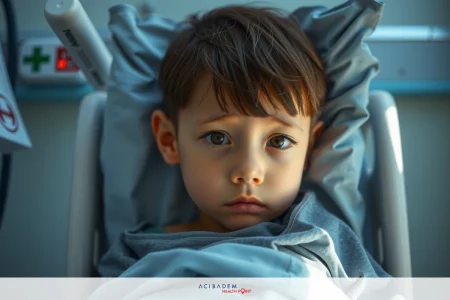
Leg Pain in Children Cancer: Warning Signs
Leg Pain in Children Cancer: Warning Signs Leg pain in children with cancer can be a concerning symptom that should not be overlooked. Recognizing the warning signs and seeking timely medical attention is crucial for early detection and appropriate intervention. At Acibadem Healthcare Group, we specialize in pediatric oncology leg pain and are committed to providing exceptional care to our young patients.
Understanding Childhood Cancer Leg Pain
Childhood cancer leg pain can be a concerning symptom that requires thorough evaluation and diagnosis by healthcare professionals. Recognizing the early warning signs is vital for timely intervention and appropriate treatment. Let’s explore the symptoms and diagnostic process involved in determining the cause of leg pain in children with cancer.
Common childhood cancer leg pain symptoms may include:
- Persistent or worsening leg pain: Leg pain that persists for an extended period or worsens over time can be a red flag. It is essential to monitor any changes in pain intensity or duration.
- Localized swelling or tenderness: Swelling or tenderness in specific areas of the leg may indicate an underlying issue that requires medical attention.
- Limping or difficulty walking: Children experiencing leg pain might develop a limp or have difficulty walking due to discomfort.
When diagnosing leg pain in children with cancer, healthcare professionals may employ various methods:
- Physical examination: A thorough physical examination helps assess the child’s overall health and identify any visible abnormalities or discomfort in the leg.
- Medical history assessment: Understanding the child’s medical history is crucial for identifying potential risk factors or previous treatments that may contribute to their leg pain.
- Laboratory tests: Blood tests and other laboratory investigations can provide valuable information about the child’s overall health and help determine if there are any underlying conditions or markers of cancer-related leg pain.
- Imaging studies: Imaging techniques such as X-rays, ultrasounds, or MRI scans can help visualize the bones, muscles, and soft tissues in the affected leg, assisting in the diagnosis of the underlying cause of leg pain.
It is important to emphasize that the diagnostic process for childhood cancer leg pain should be carried out by experienced healthcare professionals, such as pediatric oncologists or orthopedic specialists. They have the expertise and knowledge to accurately assess and diagnose the condition, ensuring appropriate treatment and management.
Diagnostic Methods for Childhood Cancer Leg Pain
| Diagnostic Method | Description |
|---|---|
| Physical examination | A comprehensive assessment of the child’s leg, including inspection, palpation, and evaluation of range of motion. |
| Medical history assessment | An in-depth review of the child’s medical history, including previous treatments and any known risk factors. |
| Laboratory tests | Blood tests and other laboratory investigations to evaluate overall health and identify any underlying conditions. |
| Imaging studies | Techniques such as X-rays, ultrasounds, or MRI scans to visualize the affected leg’s bones, muscles, and soft tissues. |
By understanding the symptoms and undergoing a comprehensive diagnostic process, healthcare professionals can determine the cause of leg pain in children with cancer, enabling appropriate treatment and management strategies.
Causes of Leg Pain in Children with Cancer
When discussing leg pain in children with cancer, it’s essential to understand the various causes that can contribute to this symptom. Both the cancer itself and the treatments used to fight it can lead to leg pain in young patients.
Childhood cancer can cause leg pain due to several factors:
- The tumor itself: As the cancer grows, it can exert pressure on surrounding tissues and nerves, leading to pain in the legs.
- Bone involvement: Certain cancers, such as osteosarcoma or Ewing sarcoma, can affect the bones in the legs, causing pain and discomfort.
The treatments utilized in pediatric cancer can also contribute to leg pain:
- Chemotherapy: Some chemotherapeutic agents can cause muscle and joint pain, leading to leg pain in children undergoing treatment.
- Radiation therapy: Radiation aimed at cancerous tumors can inadvertently affect nearby tissues, resulting in leg pain.
- Surgery: Surgical procedures, particularly those involving the bones or muscles in the legs, may cause post-operative pain in children.
| Cause | Description |
|---|---|
| Tumor growth | The cancerous tumor itself can exert pressure on surrounding tissues and nerves, leading to leg pain. |
| Bone involvement | Certain cancers, such as osteosarcoma or Ewing sarcoma, can affect the bones in the legs, causing pain and discomfort. |
| Chemotherapy | Some chemotherapeutic agents can cause muscle and joint pain, leading to leg pain in children undergoing treatment. |
| Radiation therapy | Radiation aimed at cancerous tumors can inadvertently affect nearby tissues, resulting in leg pain. |
| Surgery | Surgical procedures, particularly those involving the bones or muscles in the legs, may cause post-operative pain in children. |
Understanding the underlying causes of leg pain in children with cancer is crucial for healthcare professionals to develop appropriate treatment strategies. By identifying the specific cause or combination of causes, medical teams can tailor interventions to alleviate pain and improve the overall well-being of young patients.
Recognizing Warning Signs of Leg Pain in Children Cancer
When it comes to leg pain in children with cancer, recognizing warning signs is crucial for early intervention and effective management. Parents and caregivers must be vigilant and attentive to specific indicators that may suggest underlying issues. Consulting a pediatric oncologist with expertise in leg pain is essential for accurate diagnosis and appropriate treatment. Here are some warning signs to watch out for:
- Unexplained persistent pain: Leg pain that persists and does not subside with rest or over-the-counter pain relievers may indicate an underlying condition that requires medical attention.
- Limping or difficulty walking: If your child experiences difficulty walking, limping, or favoring one leg over the other, it could be a sign of a more serious underlying condition.
- Swelling or tenderness: Swelling, tenderness, or warmth in the leg may be indicative of inflammation or infection. These symptoms should not be ignored and should be promptly evaluated by a healthcare professional.
- Unexplained bruising or bleeding: Easy bruising or bleeding without any apparent cause could be a sign of an underlying blood disorder or cancer. It is essential to investigate further to determine the cause of these symptoms.
- Changes in gait or posture: Observe if your child’s gait or posture has changed recently. A sudden change in the way they walk or stand may be an indication of leg pain or discomfort.
If your child experiences any of these warning signs, it is important to consult a pediatric oncologist who specializes in leg pain. These specialists are trained to identify and manage leg pain in children with cancer. Early intervention can help ensure appropriate treatment and improve the child’s overall prognosis. Remember, always prioritize your child’s health and seek prompt medical attention when necessary.
Importance of Early Detection and Intervention
In the management of childhood cancer leg pain, early detection and intervention play a critical role. Timely identification of the symptoms and prompt medical attention can significantly impact a child’s overall prognosis and improve their quality of life. By addressing leg pain in children with cancer at its earliest stages, healthcare professionals can implement appropriate treatment strategies and provide the necessary support to alleviate discomfort and manage the underlying condition effectively.
Within the realm of childhood cancer leg pain treatment, various options are available, tailored to each child’s specific needs. The treatment approach may involve a combination of pharmacological and non-pharmacological interventions, such as pain medications, physical therapy, and complementary therapies.
Evidence has shown that early intervention not only helps manage leg pain but also contributes to a child’s overall well-being during cancer treatment. By effectively addressing leg pain, children are better able to engage in daily activities, maintain mobility, and have an improved sense of well-being.
Treatment Options for Childhood Cancer Leg Pain
When it comes to pediatric cancer leg pain management, healthcare professionals consider a range of treatment options based on the individual child’s needs and the underlying cause of the pain. These treatment options may include:
- Medications: Pain-relieving medications are often prescribed to manage leg pain in children with cancer. These may include analgesics, non-steroidal anti-inflammatory drugs (NSAIDs), or opioids, depending on the severity and type of pain. The appropriate medication will be determined by the child’s healthcare team.
- Physical Therapy: Physical therapy techniques can help improve mobility, reduce pain, and enhance the child’s overall physical functioning. Therapists may use exercises, stretches, and other modalities to address leg pain and promote strength and flexibility.
- Complementary Therapies: Complementary therapies such as massage therapy, acupuncture, and relaxation techniques can provide additional support in managing leg pain. These therapies focus on promoting relaxation, reducing stress, and enhancing overall well-being.
It is important to note that the specific treatment plan for childhood cancer leg pain will depend on the child’s diagnosis, overall health, and individual needs. A comprehensive and multidisciplinary approach involving the collaboration of pediatric oncologists, pain specialists, physical therapists, and other healthcare professionals is essential to ensure the best possible outcomes for children with cancer experiencing leg pain.
Tips for Managing Leg Pain in Children with Cancer
Managing leg pain in children with cancer requires a comprehensive approach that addresses both the physical and emotional aspects of their well-being. In this section, we provide practical tips and strategies for effective treatment and management of childhood cancer leg pain.
Pharmacological Approaches
Pharmacological interventions play a vital role in alleviating leg pain in children with cancer. Pediatric oncologists may prescribe medication to relieve pain, reduce inflammation, and enhance overall comfort. Some commonly used pharmacological options include:
- Nonsteroidal anti-inflammatory drugs (NSAIDs)
- Opioids for severe pain
- Neuropathic pain medications
Non-Pharmacological Approaches
In addition to medication, non-pharmacological approaches can significantly contribute to managing leg pain in children with cancer. These techniques aim to enhance comfort, promote relaxation, and provide distraction from pain. Some effective non-pharmacological methods include:
- Massage therapy
- Heat or cold therapy
- Physical therapy exercises
- Distraction techniques, such as music or art therapy
Complementary and Alternative Therapies
Complementary and alternative therapies can also be valuable in managing leg pain in children with cancer. These therapies, used alongside traditional medical treatments, focus on improving overall well-being and reducing symptoms. Some commonly employed complementary and alternative therapies include:
- Acupuncture
- Hypnotherapy
- Aromatherapy
- Yoga or meditation
Expert Advice and Support
Consulting with a multidisciplinary healthcare team is crucial when managing leg pain in children with cancer. Pediatric oncologists, pain management specialists, and physical therapists can provide expert guidance on the most appropriate approaches based on the child’s specific needs and treatment plan.
Keep in mind that each child’s experience with leg pain may differ, and treatment plans should be tailored accordingly.
| Treatment Approach | Benefits |
|---|---|
| Pharmacological Interventions | – Relieves pain effectively – Reduces inflammation – Enhances overall comfort |
| Non-Pharmacological Approaches | – Provides relaxation and comfort – Promotes distraction from pain – Helps maintain mobility and strength |
| Complementary and Alternative Therapies | – Improves overall well-being – Reduces symptoms – Enhances relaxation and emotional well-being |
By combining various treatment modalities and expert advice, we can effectively manage leg pain in children with cancer, improving their quality of life and overall prognosis. Remember, prompt intervention and ongoing support are vital in ensuring the best possible outcomes for these brave young individuals.
Psychological Support for Children with Leg Pain and Cancer
When children experience leg pain as a result of cancer, the impact on their emotional and psychological well-being should not be overlooked. Coping with the physical discomfort is challenging enough, but the added burden of navigating the complex emotions and psychological challenges can be overwhelming for both the child and their families.
Counseling, therapy, and other support services play a crucial role in helping children with leg pain and cancer manage the psychological aspects of their condition. These services not only provide a safe space for children to express their fears, anxieties, and concerns but also offer valuable coping strategies and tools to navigate their unique circumstances.
By addressing the emotional and psychological needs of children, psychological support aims to enhance their overall well-being and improve their quality of life. It can help them develop resilience, cope with stress, and maintain a positive outlook, all of which are vital during their cancer journey.
The Role of Counseling in Pediatric Cancer Leg Pain Management
Counseling plays a pivotal role in supporting children with leg pain and cancer. Qualified counselors with expertise in pediatric oncology work closely with children and their families to provide mental and emotional support throughout the treatment process.
Counselors help children express their emotions, fears, and concerns related to their leg pain and cancer diagnosis. Through individual or group counseling sessions, they create a safe and nurturing environment where children can openly discuss their experiences and gain a deeper understanding of their emotions.
| Counseling Benefits | Details |
|---|---|
| Emotional Support | Children receive personalized emotional support tailored to their unique needs, helping them navigate the challenging emotions associated with leg pain and cancer. |
| Coping Strategies | Counselors equip children with practical coping strategies to manage pain, anxiety, and other emotional challenges, empowering them to take an active role in their own well-being. |
| Education and Information | Counselors provide age-appropriate information about cancer and its treatments, empowering children with the knowledge they need to understand their condition and make informed decisions. |
| Building Resilience | Children develop resilience and the ability to bounce back from setbacks, helping them face the challenges of cancer treatment with strength and determination. |
The Role of Therapy in Pediatric Cancer Leg Pain Management
Therapy is another essential component of psychological support for children with leg pain and cancer. Different therapeutic approaches, such as play therapy, art therapy, and music therapy, can be utilized to address the unique needs and preferences of each child.
Therapists help children explore their emotions, build coping skills, and create healthy outlets for self-expression. Through engaging activities, therapists foster creativity, promote emotional healing, and help children process their experiences in a supportive and non-judgmental environment.
Table: Therapeutic Approaches
| Therapeutic Approach | Benefits |
|---|---|
| Play Therapy | Allows children to express their feelings, fears, and experiences through play, promoting emotional healing and providing a sense of control. |
| Art Therapy | Encourages self-expression and emotional release through art activities, enabling children to explore their emotions and find comfort and solace through creativity. |
| Music Therapy | Harnesses the therapeutic power of music to reduce anxiety, enhance mood, promote relaxation, and provide a means of emotional expression and connection. |
As children engage in therapy, they can develop a sense of empowerment, gain new perspectives, and build resilience, all of which contribute to their emotional well-being and aid in managing leg pain and cancer.
Psychological support for children with leg pain and cancer goes beyond just addressing the physical symptoms. By offering counseling, therapy, and other support services, healthcare professionals can help children develop the necessary coping skills and emotional resilience required to navigate their cancer journey with greater strength and positivity.
Long-term Effects and Follow-Up Care
When it comes to childhood cancer leg pain, it is essential to consider the potential long-term effects and the importance of follow-up care. While immediate treatment may alleviate the pain, ongoing monitoring and support are necessary to ensure the child’s overall well-being.
Long-Term Effects
Children who experience leg pain as a result of cancer may face various long-term effects that can impact their quality of life. These effects can include:
- Chronic pain and discomfort
- Limited mobility and physical function
- Poor bone health
- Emotional and psychological distress
- Impaired social interactions and participation
Understanding and addressing these long-term effects is crucial to ensure that the child can lead a fulfilling life after cancer treatment.
Follow-Up Care
Follow-up care plays a vital role in managing childhood cancer leg pain and addressing any lingering issues. It involves regular visits to healthcare professionals who specialize in pediatric cancer leg pain management. These follow-up appointments allow for:
- Assessment of the child’s pain levels and overall well-being
- Monitoring of any potential changes or complications
- Adjustment of treatment plans as needed
- Identification of additional support and resources
The collaborative efforts of medical professionals and the child’s care team help ensure that the child receives appropriate and timely interventions to manage leg pain and its long-term effects.
By focusing on long-term effects and providing comprehensive follow-up care, we can help improve the quality of life for children experiencing leg pain due to cancer. It is essential to prioritize ongoing support and monitoring to address any potential challenges and promote the overall well-being of these brave young individuals.
Support Resources for Families
When it comes to dealing with leg pain in children with cancer, support resources can play a crucial role in providing valuable guidance and assistance to families. Acibadem Healthcare Group is a trusted name in pediatric oncology leg pain management, offering a range of support services to help families navigate through this challenging journey.
Expertise in Pediatric Oncology Leg Pain
Acibadem Healthcare Group understands the unique needs of children experiencing leg pain due to cancer. Their team of experienced pediatric oncologists specializes in diagnosing and managing leg pain in children with cancer. With their expertise and compassion, they provide comprehensive care and support to ensure the best possible outcomes for young patients.
Supportive Counseling and Therapy
Coping with leg pain in children with cancer can be emotionally overwhelming for families. Acibadem Healthcare Group offers supportive counseling and therapy services to help children and their families navigate the psychological challenges that may arise during this difficult time. These services provide a safe space for families to express their concerns, share their experiences, and receive guidance and support from trained professionals.
Education and Information
Acibadem Healthcare Group believes in empowering families with knowledge and information. They provide educational resources to help families better understand leg pain in children with cancer, its causes, and available treatment options. By equipping families with the right information, Acibadem Healthcare Group aims to foster informed decision-making and enhance the overall well-being of children.
Community Support Groups
In addition to individualized care, Acibadem Healthcare Group recognizes the importance of connecting families with others who are going through similar experiences. They facilitate community support groups where families can connect, share their stories, offer support, and find solace in the company of others who understand their journey. These support groups also provide an avenue for families to learn from one another and find strength in unity.
Financial and Logistical Assistance
Acibadem Healthcare Group understands the practical challenges that families may face when it comes to managing leg pain in children with cancer. They offer financial and logistical assistance programs to help ease the burden on families. These programs aim to ensure that families have access to the necessary resources and support to ensure optimal care for their children.
By availing themselves of the support resources provided by Acibadem Healthcare Group, families can find solace, guidance, and practical assistance in navigating the complexities of leg pain in children with cancer. With a holistic approach to care, Acibadem Healthcare Group is committed to supporting families throughout their journey, providing hope, and improving the quality of life for children and their loved ones.
Conclusion
In conclusion, leg pain in children with cancer is a serious issue that requires prompt attention and appropriate management. Recognizing the warning signs and seeking early medical intervention are crucial steps in ensuring the best outcomes for these young patients. The importance of partnering with experienced healthcare providers, such as Acibadem Healthcare Group, specializing in pediatric oncology leg pain cannot be overstated.
By understanding the underlying causes of leg pain in children with cancer, healthcare professionals can develop tailored treatment plans that address both the physical and psychological aspects of the condition. Timely intervention and ongoing follow-up care play a vital role in mitigating long-term effects and supporting the overall well-being of these children.
It is essential for families to have access to support resources that can help them navigate the challenges of managing leg pain in their child with cancer. Acibadem Healthcare Group, with its expertise in pediatric oncology leg pain, offers a comprehensive range of services aimed at providing holistic care and support to these families.
FAQ
What are the warning signs of leg pain in children with cancer?
Warning signs of leg pain in children with cancer can include persistent pain that worsens over time, limping or difficulty walking, swelling or tenderness in the affected leg, and changes in the child's overall behavior or mood. It is important to seek medical attention if any of these symptoms are present.
How is leg pain in children with cancer diagnosed?
The diagnosis of leg pain in children with cancer involves a thorough evaluation by healthcare professionals. This may include a physical examination, imaging tests such as X-rays or MRIs, blood tests, and possibly a bone biopsy. The goal is to determine the underlying cause of the leg pain and develop an appropriate treatment plan.
What are the causes of leg pain in children with cancer?
Leg pain in children with cancer can be caused by various factors. It can be a direct result of cancer itself, such as bone tumors or leukemia. Additionally, cancer treatments like chemotherapy or radiation therapy can cause leg pain as a side effect. Identifying the specific cause is crucial for developing an effective treatment approach.