
Book a Free Certified Online
Doctor Consultation
Fill out the form below in order to receive a free, no-obligation consultation to get the information need to help you make the right choice.
OUR PROMISE
Why Choose ACIBADEM For
Kidney Transplant Surgery?
A kidney transplant is the best treatment for kidney failure. Acıbadem Healthcare Group is a top choice for this surgery in Turkey. A kidney transplant helps those with kidney failure. Healthy kidneys filter waste and make red blood cells. They also help control blood pressure. Kidney transplant surgery is a lifeline for those with end-stage renal disease. It involves putting a healthy kidney from a donor into a patient with failing kidneys. This surgery can greatly improve life quality and extend life for those with chronic kidney failure.
Starting the journey of kidney transplantation can feel overwhelming. You’ll need to understand end-stage renal disease, make organ donation decisions, and prepare for surgery. This guide aims to help, with advice from medical experts and stories of hope from transplant recipients. If you or a loved one is thinking about kidney transplant surgery, this article is for you. It will give you the knowledge to make informed choices and look forward to a healthier future. Let’s dive into the world of renal transplantation, from the basics of end-stage renal disease to the hope of life after transplant. When kidneys fail, it affects the heart, lungs, and bones. People with kidney failure need dialysis or a transplant to survive. Dialysis is lifesaving but can’t replace a healthy organ.
Studies show transplants offer better life quality and longer life than dialysis. They are also more cost-effective in the long run. In a transplant, the recipient gets a healthy kidney from a donor. The new kidney is placed in the abdomen and connected to blood vessels and the bladder. Damaged kidneys are usually not removed unless they cause problems. A kidney transplant is a major surgery. Success rates depend on the transplant center’s experience and team.

BOOK A FREE CONSULTATION
Request A Callback
If you’d like to book an online consultation just fill in your details below and one of our team will be in touch within 24 hours.
ACIBADEM Doctors




Types of Kidney Transplant Donors
Patients facing a kidney transplant have two donor options: a living donor or a deceased donor. It’s key to know differences between these donors. This knowledge helps patients and their families as they explore organ donation and the transplant waiting list.
ACIBADEM Healthcare Group
A Global Leader
At ACIBADEM Healthcare Group, we are committed to healthcare excellence and providing world-class healthcare services to our patients. As a leader in international healthcare, we strive to deliver the highest quality of care and meet the needs of our diverse patient population.
With a focus on patient-centered care, we ensure that each individual receives personalized and compassionate treatment. Our team of expert medical professionals, including doctors, nurses, and healthcare staff, is dedicated to delivering the highest standard of care and ensuring the best possible outcomes.
ACIBADEM MASLAK HOSPITAL

ACIBADEM ALTUNIZADE HOSPITAL

ACIBADEM ATASEHIR HOSPITAL

ACIBADEM TAKSIM HOSPITAL

ACIBADEM ATAKENT HOSPITAL

ACIBADEM INTERNATIONAL HOSPITAL

The Kidney Transplant Surgery Procedure
Kidney transplant surgery is a detailed process that needs careful planning and execution. A team of skilled surgeons, anesthesiologists, and healthcare professionals work together. They aim to get the best results for the patient. Let’s explore the different stages of this procedure. Before surgery, the patient goes through tests and evaluations. This ensures they are healthy enough for the transplant. The team looks at the patient’s medical history and medications. They also give instructions on how to prepare, like fasting and avoiding certain drugs.
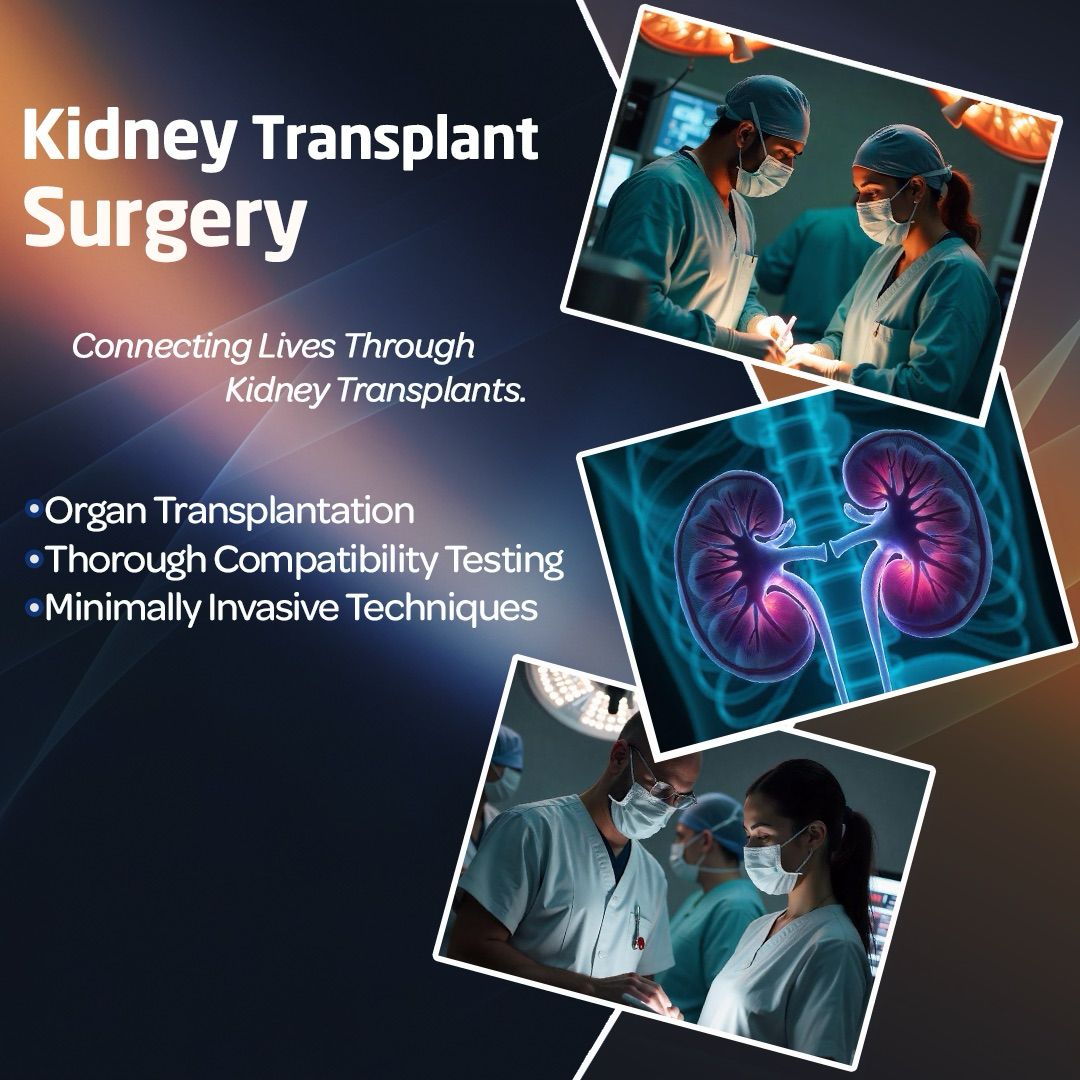
The surgeon makes an incision in the lower abdomen during the transplant. They place the donor kidney in the recipient’s body. The kidney’s blood vessels are connected to the recipient’s iliac artery and vein. This allows blood to flow through the new organ. The ureter, which carries urine, is also connected. Advanced surgical techniques are used. These include minimally invasive methods to reduce scarring and speed up recovery.
After surgery, the patient is watched closely in the hospital. They are monitored for kidney function and any complications. The care includes managing pain, wound care, and checking vital signs.The patient starts immunosuppressive medications to prevent organ rejection. The recovery continues at home with regular visits. Most patients can return to normal activities within weeks to months. But, they need lifelong monitoring and medication to keep the kidney healthy.