





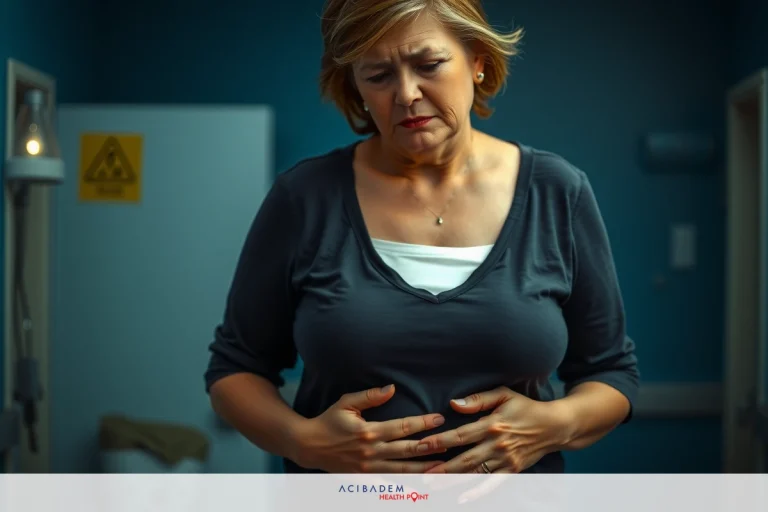
NSCLC Symptoms and Signs Non-Small Cell Lung Cancer often starts without any symptoms. As it grows signs may start to show up in your body. A cough that won’t go away could be an early clue you might have lung cancer. You should talk to a doctor if you notice changes in your breathing or lose weight without trying.
Lung cancer can make you feel very tired and cause pain in your chest area. If these things happen it doesn’t always mean it’s cancer but it’s important to get checked out by a doctor. Weight loss that happens for no clear reason is something else to keep an eye on; it can point to health problems including NSCLC.
If lung cancer spreads more parts of the body will feel its effects. Things like bone pain or headaches should prompt a visit to the healthcare provider for advice. Remembering these points about how NSCLC shows up helps us stay alert for our health needs so seeing a medical professional promptly is wise when symptoms persist.
Persistent Cough
A cough that sticks around can be more than just a cold. It’s one of the first signs people notice when it comes to lung cancer. If you have a cough that has not gone away after a few weeks it could mean something serious like NSCLC. The sound of your cough might change or you may cough up blood or rust-colored spit.
This kind of cough caused by NSCLC is different from other types. It doesn’t get better with time or treatment for common illnesses. You might think it’s just stubborn, but if it lasts long without any clear reason, think about lung health. Paying attention to this warning sign is key and should lead you to speak with your doctor.
NSCLC makes cells grow in ways they shouldn’t within your lungs’ tissues. This growth can irritate and block airways which leads to persistent coughing as the body tries to clear these passages. So if your usual cough remedies don’t work consider that NSCLC symptoms are showing up.
In the fight against lung cancer early detection matters a lot and can save lives including yours. A lingering cough puts up a red flag; don’t ignore it thinking it will pass on its own.
Shortness of Breath
When lung cancer affects your breathing it’s a serious sign. You might feel out of breath doing things that used to be easy. This happens because NSCLC can block or narrow airways or make fluid build up in the chest. If you’re struggling for air after climbing stairs or carrying groceries pay attention.
It’s not normal to feel short of breath when you’re resting or lying down. But with lung cancer symptoms like this one it could happen. Sometimes people think they’re just getting older or out of shape but it’s more than that if NSCLC is involved. Don’t brush off these changes; get medical advice.
Seeing a doctor about breathing trouble is very important for your health. They can check if it’s due to NSCLC or something else less serious like asthma. A professional will listen to your lungs and maybe order some tests like an X-ray to find out what’s going on inside your body.
Breathing difficulty from lung cancer isn’t something that gets better on its own without treatment. That’s why recognizing this sign and talking with a healthcare provider can lead to early care for NSCLC. Early help often means better chances against the disease so don’t wait too long before seeking consultation.
Unexplained Weight Loss
Losing weight when you’re not trying can be a signal from your body. It’s often one of the signs that show up

with NSCLC. Cancer cells use up energy in your body which can cause weight loss. So if the pounds are dropping and you don’t know why it might be time for a health check.
Don’t wait to see if the weight comes back on its own. If food tastes different or you don’t feel like eating tell your doctor about these changes too. They’ll want to know what’s going on with you and may suggest some tests to find out more. This symptom is an important cancer indicator that should lead to a doctor’s visit.
Remember unexplained weight loss doesn’t always mean cancer but it’s enough reason for concern. A quick talk with your healthcare provider could give peace of mind or catch something early like NSCLC. When it comes to symptoms like this being open and getting help is key for good health care.
Chest Pain
Chest pain can be a sign that something’s not right in the body. When it comes to NSCLC this pain might mean the lungs are affected. It could feel like pressure, tightness, or a sharp sting. If these feelings happen often and don’t go away consider lung cancer as a possible cause.
This discomfort isn’t always constant; it may come and go. But if you notice chest pain when you cough or breathe deeply take note. The link between such symptoms and lung cancer is well-known in medical circles. These signs should prompt urgent discussions with your healthcare professional.
The location of the pain can vary too – it might be felt more on one side or spread out across the chest. NSCLC may also cause bone pain if it spreads to other areas like ribs close to the lungs. Persistent or worsening chest discomfort needs proper evaluation for any lung cancer correlation.
A doctor will assess your symptoms through physical exams and maybe imaging tests like X-rays or CT scans. They’re looking for tumors that could press against parts inside your chest causing pain. Detecting NSCLC early means better options for treatment so getting medical attention is crucial.
Please remember that while many conditions can lead to chest pains they all need checking out by doctors who understand them best. Lung cancer is serious but finding it early makes a big difference in managing its effects on health including easing painful symptoms.
Frequently Asked Questions
Q: What are the most common symptoms of NSCLC?
A: The most common signs include a persistent cough, shortness of breath, unexplained weight loss, and chest pain.
A: If you have a cough that doesn't get better over time or with usual treatments it's important to see your doctor for an evaluation.
Q: Should I be concerned about occasional chest discomfort?
A: While occasional discomfort may not always signal something serious like lung cancer, if it's persistent or worsening, you should consult a healthcare provider. The answers provided here are for informational purposes only and do not constitute medical advice.

