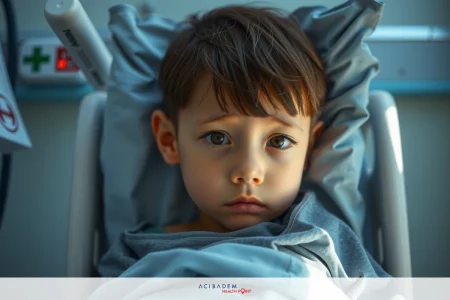
Recognizing Signs of Epilepsy in Children
Recognizing Signs of Epilepsy in Children Early diagnosis and treatment play a crucial role in managing this condition effectively. Understanding the signs and symptoms can help parents and caregivers provide the necessary support to children with epilepsy.
By raising awareness and sharing valuable information, we hope to empower families and help children with epilepsy live fulfilling lives. Let’s dive into the details and learn how to identify the signs of epilepsy in children.
Understanding Epilepsy in Children
Epilepsy is a neurological disorder that can affect individuals of all ages, including children. It is important for parents and caregivers to be aware of the childhood epilepsy symptoms and pediatric epilepsy warning signs to ensure early detection and intervention. By understanding the basics of pediatric epilepsy, they can better identify potential problems and provide appropriate support.
Childhood Epilepsy Symptoms:
- Repetitive movements, such as blinking, nodding, or chewing
- Sudden and brief changes in awareness or consciousness
- Uncontrolled jerking or shaking of the arms and legs
- Temporary confusion or disorientation
- Breathing difficulties or unusual posturing during a seizure
Pediatric Epilepsy Warning Signs:
- Frequent and unexplained spells of staring
- Sudden mood changes or behavioral abnormalities
- Sleep disturbances, such as night terrors or insomnia
- Loss of bowel or bladder control
- Difficulty with speech or language
It is important to note that not all seizures indicate epilepsy, as there can be other underlying causes. If any of these symptoms or warning signs are observed, it is crucial to consult a healthcare professional for a proper diagnosis. Early identification and intervention can significantly improve the child’s quality of life and reduce the impact of epilepsy on their development and daily activities.
| Type of Seizure | Description |
|---|---|
| Generalized Tonic-Clonic (Grand Mal) | Affects both sides of the brain, characterized by loss of consciousness, stiffening of the body (tonic phase), and jerking movements (clonic phase) |
| Absence (Petit Mal) | Typically observed in children, characterized by brief episodes of staring and temporary loss of awareness |
| Focal (Partial) | Only one hemisphere of the brain is affected, leading to localized symptoms like twitching, numbness, or tingling |
Understanding the different types of seizures in children can help parents and caregivers recognize and describe them more effectively to healthcare professionals. This information plays a crucial role in determining the most appropriate treatment and management strategies for the child.
Identifying Early Signs of Seizures in Kids
Recognizing the early signs of seizures in children is crucial for their health and well-being. Early detection allows for prompt medical intervention and a better chance of managing pediatric epilepsy effectively. Parents and caregivers should be aware of the following behaviors and symptoms that may indicate the presence of seizures:
- Unusual movements: Watch out for repetitive or jerking motions, stiffening of the body, or rapid eye movements that are not typical for the child’s age.
- Altered consciousness: Seizures can cause a child to blank out or stare into space, demonstrating a lack of responsiveness or awareness of their surroundings.
- Loss of control: Children experiencing seizures may lose control of their bodily functions, such as involuntary urination or bowel movements.
- Sudden changes in behavior: Look for inexplicable changes in mood, irritability, confusion, or unexplained fear or anxiety.
- Abnormal sensations: Some children may report unusual smells, tastes, or feelings prior to or during a seizure.
- Unusual sounds: Pay attention to any unusual vocalizations, such as grunting, lip smacking, or repeating certain words or phrases.
- Unresponsiveness: Children with seizures may appear unresponsive or unaware of their surroundings during or after an episode.
If you notice any of these warning signs or suspect your child may be experiencing seizures, it is crucial to seek a proper diagnosis from a pediatrician or neurologist. Early diagnosis can lead to appropriate treatment measures and improve your child’s long-term prognosis. With accurate and timely medical intervention, children with epilepsy can lead fulfilling lives while effectively managing their condition.
| Signs of Seizures in Kids | Action Steps |
|---|---|
| Unusual movements | Schedule an appointment with a pediatrician or neurologist for evaluation. |
| Altered consciousness | Keep a detailed record of episodes, including time, duration, and observed behaviors. |
| Loss of control | Seek medical advice to rule out any underlying medical conditions. |
| Sudden changes in behavior | Discuss your concerns with healthcare professionals to determine appropriate diagnostic tests. |
| Abnormal sensations | Document and describe the sensations experienced, noting any patterns or triggers. |
| Unusual sounds | Keep a seizure diary to record specific details and discuss with medical experts. |
| Unresponsiveness | Follow up with healthcare professionals to initiate further diagnostic testing if needed. |
Remember, early intervention is key in managing pediatric epilepsy. If you have any concerns about your child’s health or suspect seizures, do not hesitate to consult a healthcare professional. They can provide the necessary guidance and support to ensure your child receives an accurate diagnosis and appropriate treatment.
Common Seizures in Children
Children with epilepsy can experience various types of seizures. It is essential for parents and caregivers to recognize the different seizure presentations to provide appropriate support and timely medical intervention.
Tonic-Clonic Seizures
One of the most well-known types of seizures, tonic-clonic seizures, also known as grand mal seizures, involve a combination of muscle rigidity (tonic phase) and convulsions (clonic phase). These seizures often begin with a sudden loss of consciousness and can include stiffening of the body, shaking, and jerking movements. During this type of seizure, children may also exhibit irregular breathing patterns and may bite their tongue or lose control of their bladder or bowels.
Absence Seizures
Absence seizures, also referred to as petit mal seizures, are brief and typically go unnoticed. They are characterized by a temporary loss of consciousness or awareness. While a child may appear momentarily dazed or have a blank stare, they do not usually exhibit convulsions or significant motor movements during an absence seizure.
Focal Seizures
Focal seizures, also called partial seizures, occur when abnormal electrical activity only affects a specific area of the brain. The symptoms experienced during a focal seizure can vary, depending on the region of the brain affected. They may include repetitive movements, sensory changes, involuntary behavior, or altered consciousness. Focal seizures can be divided into two subtypes:
- Simple Focal Seizures: These seizures do not result in the loss of consciousness. Children may experience odd sensations, such as tingling, or involuntary movements of an arm or leg. They may also have visual or auditory disturbances.
- Complex Focal Seizures: These seizures may cause a temporary loss of awareness or consciousness. Children may exhibit repetitive behaviors or engage in purposeless movements. They may also experience confusion or exhibit repetitive verbal or non-verbal actions.
Other Seizure Types
While tonic-clonic, absence, and focal seizures are among the most common in children with epilepsy, there are other types that can occur. These include atonic seizures, which cause a sudden loss of muscle tone and can lead to falls, and myoclonic seizures, which involve sudden, brief muscle jerks. Additionally, some children may experience clusters of seizures, or status epilepticus, which is prolonged seizures or multiple seizures without complete recovery of consciousness in between.
| Type of Seizure | Description |
|---|---|
| Tonic-Clonic Seizures | Combination of muscle rigidity and convulsions, loss of consciousness, irregular breathing, and possible loss of bladder or bowel control. |
| Absence Seizures | Temporary loss of consciousness or awareness, blank stare, without convulsions or significant motor movements. |
| Focal Seizures | Abnormal electrical activity affects a specific area of the brain, resulting in various symptoms depending on the brain region involved. |
| Other Seizure Types | Including atonic seizures, myoclonic seizures, and clusters of seizures (status epilepticus). |
Understanding the different types of seizures that can occur in children with epilepsy is crucial for early recognition and appropriate management. If you suspect your child may be experiencing seizures, it is important to consult with a healthcare professional for a proper diagnosis and tailored treatment plan.
Epilepsy in Toddlers: What to Look For
Spotting epilepsy in kids can be especially challenging when it comes to toddlers. The signs and symptoms of epilepsy in this age group can be easily overlooked or mistaken for typical developmental behaviors. However, early detection is crucial for prompt medical intervention and to ensure the best possible outcome for the child.
When monitoring for epilepsy in toddlers, it is important to be aware of certain key indicators. These may include:
- Repetitive or rhythmic movements, such as arm or leg twitching
- Staring spells or episodes of unresponsiveness
- Sudden falls or unexplained accidents
- Brief pauses in breathing
- Changes in alertness or consciousness
- Loss of bowel or bladder control
If you notice any of these signs in your toddler, it is recommended to consult with a pediatrician or a neurologist for further evaluation. Medical professionals specializing in epilepsy in toddlers have the expertise to accurately diagnose and treat the condition.
Additionally, creating a detailed description of the observed behaviors and capturing them on video can provide valuable information for healthcare professionals during the evaluation process.
Expert Tip:
Always trust your parental instincts. If you have concerns about your child’s development or suspect the presence of epilepsy, don’t hesitate to seek medical advice. Early intervention can make a significant difference in managing epilepsy in toddlers and ensuring their well-being.
| Symptoms | Signs |
|---|---|
| Repetitive or rhythmic movements | Arm or leg twitching |
| Staring spells | Episodes of unresponsiveness |
| Sudden falls | Unexplained accidents |
| Brief pauses in breathing | |
| Changes in alertness | |
| Loss of bowel or bladder control |
Seeking Medical Help for Childhood Epilepsy
Proper medical help is crucial when it comes to the diagnosis and treatment of childhood epilepsy. Early identification and intervention can significantly improve a child’s quality of life and minimize the potential risks associated with seizures. When seeking medical assistance for pediatric epilepsy diagnosis, parents and caregivers need a trusted healthcare provider with expertise in this field.
Acibadem Healthcare Group is a leading healthcare institution that specializes in diagnosing and treating pediatric epilepsy. With a team of experienced pediatricians and neurologists, Acibadem offers comprehensive evaluation, accurate diagnosis, and personalized treatment plans tailored to each child’s unique needs.
Acibadem Healthcare Group utilizes state-of-the-art diagnostic tools and techniques to determine the type of epilepsy and assess its impact on a child’s development. These evaluations may include:
- Medical history review
- Physical examination
- Neurological assessments
- Electroencephalogram (EEG) to measure brain activity
- Neuroimaging tests (MRI or CT scan) to identify any structural abnormalities
Based on the diagnosis, Acibadem’s expert medical team will recommend the most appropriate treatment options, which may include:
- Medications to control seizures
- Lifestyle modifications, such as sleep regulation and stress management
- Dietary adjustments, such as a ketogenic diet
- Behavioral therapies
- Surgical interventions (in specific cases)
Through a multidisciplinary approach, Acibadem combines medical expertise, advanced technology, and compassionate care to provide optimal treatment outcomes for children with epilepsy. The healthcare group also emphasizes ongoing support, educational resources, and counseling services for parents and caregivers.
| Treatment Options for Childhood Epilepsy at Acibadem Healthcare Group | Advantages |
|---|---|
| Comprehensive evaluation | – Accurate diagnosis |
| Personalized treatment plans | – Tailored to each child’s needs |
| Experienced medical team | – Specialized in pediatric epilepsy |
| Advanced diagnostic tools | – EEG, neuroimaging tests |
| Multidisciplinary approach | – Collaborative care for optimal outcomes |
| Ongoing support and counseling | – Empowering parents and caregivers |
When it comes to managing childhood epilepsy, timely intervention and expert medical guidance are crucial. Acibadem Healthcare Group is dedicated to providing exceptional care, ensuring the best possible outcomes for children with epilepsy.
Treatment Options for Children with Epilepsy
When it comes to managing epilepsy in children, there are various treatment options available that can significantly improve their quality of life. The goal of treatment is to reduce seizures and their impact on daily activities, allowing children to thrive.
Medication
One of the primary treatment approaches for pediatric epilepsy is medication. Antiepileptic drugs (AEDs) are commonly prescribed to control and prevent seizures. The choice of medication depends on the type of epilepsy and the individual child’s response. It is essential to work closely with a pediatrician or neurologist to find the right medication and dosage for your child.
Lifestyle Modifications
Besides medication, lifestyle modifications can play a crucial role in managing epilepsy in children. These modifications may include ensuring consistent sleep patterns, avoiding triggers such as stress or excessive screen time, and maintaining a healthy diet. Regular exercise and relaxation techniques like yoga can also contribute to overall well-being.
Other Therapies
In addition to medication and lifestyle changes, other therapies may be recommended to support epilepsy management in children. These therapies can include:
- Epilepsy-specific diets: Diets like the ketogenic diet or modified Atkins diet have shown positive outcomes in reducing seizures for some children with epilepsy.
- Neuropsychological testing and therapy: Children with epilepsy may benefit from neuropsychological testing to assess cognitive function and targeted therapy to address any related cognitive or behavioral challenges.
- Vagus nerve stimulation (VNS): VNS is a treatment option where a device is surgically implanted to stimulate the vagus nerve, which can help reduce the frequency and intensity of seizures.
- Epilepsy surgery: In certain cases, surgery may be recommended to remove or disconnect the area of the brain responsible for seizures.
It is crucial to work with a healthcare team experienced in pediatric epilepsy treatment to determine the most suitable management plan for your child.
Every child’s epilepsy journey is unique, and finding the right treatment approach may require some trial and error. Regular communication with healthcare professionals, adherence to medication, and access to support networks can make a significant difference in managing epilepsy in children effectively.
Coping Strategies for Parents and Caregivers
Supporting children with epilepsy and managing seizures in kids can be challenging, but with the right coping strategies, parents and caregivers can provide the necessary support and create a safe and nurturing environment.
Emotional Support
One vital aspect of assisting children with epilepsy is offering emotional support. Epilepsy can be overwhelming for both the child and their family. Parents and caregivers should create an open and understanding atmosphere to encourage communication. It’s essential to listen to the child’s feelings and concerns, validate their experiences, and offer reassurance. Additionally, connecting with support groups and seeking professional counseling can provide valuable emotional support.
Safety Measures
Ensuring the safety of children with epilepsy is crucial. Implementing safety measures at home, school, and other environments can greatly reduce the risk of accidents during seizures. Key safety measures include padding sharp corners, using safety gates on stairs, keeping potentially dangerous objects out of reach, and educating teachers, family members, and caregivers about seizure first aid.
Practical Tips for Managing Seizures
Managing seizures in daily life requires practical strategies to minimize their impact. Here are some helpful tips:
- Create a seizure plan: Work with your child’s healthcare provider to develop a seizure action plan that includes steps to take during a seizure, emergency contact information, and medication instructions.
- Establish a routine: Maintaining a consistent daily routine can help manage seizures and minimize stress. Regular sleep patterns, healthy eating habits, and a structured environment can contribute to overall seizure management.
- Monitor triggers: Keep track of potential triggers that may provoke seizures in your child. Common triggers can include lack of sleep, stress, certain foods, and sensory overload. Minimizing exposure to triggers can reduce the frequency of seizures.
- Encourage self-care: Empower your child to take an active role in managing their epilepsy. Teach them to recognize early warning signs of seizures and the importance of taking medication consistently. By fostering independence, you are helping them develop valuable skills for self-management.
By implementing these coping strategies, parents and caregivers can provide the necessary support and better manage epilepsy in children. Remember that each child’s experience with epilepsy is unique, so it’s important to tailor these strategies to their individual needs.
| Coping Strategies for Parents and Caregivers | Benefits |
|---|---|
| Offering emotional support | Reduces feelings of isolation and fosters a supportive environment |
| Implementing safety measures | Minimizes the risk of accidents during seizures |
| Developing a seizure plan | Ensures preparedness and prompts timely action during seizures |
| Establishing a routine | Helps manage seizures and reduces stress |
| Monitoring triggers | Identifies potential factors that may provoke seizures |
| Encouraging self-care | Promotes independence and empowers children to manage their epilepsy |
Educational Support for Children with Epilepsy
Children with epilepsy face unique educational challenges that require careful consideration and support from various stakeholders. Effective communication and collaboration between parents, schools, and healthcare professionals are crucial in ensuring that these children receive the academic accommodations they need for a successful educational journey.
When a child is diagnosed with epilepsy, it is essential for parents to inform the school and share relevant medical information. This open dialogue allows educators and staff to better understand the child’s condition and implement appropriate accommodations. It is important for schools to maintain confidentiality and privacy regarding the child’s medical condition.
Academic accommodations for children with epilepsy can range from minor adjustments to more significant modifications, depending on the individual needs of the child. Some common accommodations include:
- Providing extra time for tests or assignments
- Allowing breaks during class to avoid fatigue or stress triggers
- Implementing a designated safe area in case of seizures
- Ensuring a supportive and inclusive classroom environment
These accommodations not only address the specific challenges faced by children with epilepsy but also promote equal educational opportunities and minimize any potential barriers to their learning.Recognizing Signs of Epilepsy in Children
Collaboration Among Stakeholders
To ensure the best possible educational support for children with epilepsy, collaboration among parents, schools, and healthcare professionals is vital. Regular communication and updates regarding the child’s condition, medication, and any changes in their needs are crucial for making informed decisions and providing appropriate accommodations.
Healthcare professionals, such as pediatricians and neurologists, can play a significant role in advocating for the child’s educational support. They can provide documentation and recommendations to support the need for specific accommodations and assist in educating school personnel about epilepsy and its management.
Furthermore, schools can benefit from training programs and resources that help teachers and staff understand epilepsy and how to respond during seizures. This knowledge equips educators with the skills to create a safe and inclusive environment for children with epilepsy.
Example of Academic Accommodations
| Accommodation | Description |
|---|---|
| Extended Time for Tests/Assignments | Allowing additional time for children with epilepsy to complete their exams or assignments, considering potential interruptions due to seizures. |
| Seizure Action Plan | Implementing a personalized seizure action plan that outlines specific procedures to follow in case of a seizure, ensuring the safety of the child and those around them. |
| Flexible Classroom Seating | Providing the option for the child to sit closer to exits or in an easily accessible area to ensure a quick response during a seizure. |
| Sensory Breaks | Allowing the child to take short breaks during class to reduce sensory overload or potential triggers. |
By working together, parents, schools, and healthcare professionals can create a supportive and inclusive educational environment that promotes the academic success and overall well-being of children with epilepsy.
Promoting Independence and Quality of Life
Empowering children with epilepsy is crucial for enhancing their quality of life. By providing them with the necessary support and guidance, we can help these young individuals overcome challenges and achieve their full potential.
Building Self-Confidence
One of the key aspects of empowering children with epilepsy is building their self-confidence. Encouraging them to believe in their abilities and strengths can have a positive impact on their overall well-being. By offering reassurance, celebrating their accomplishments, and providing opportunities for personal growth, we can foster their self-esteem and sense of self-worth.
Fostering Social Connections
Supporting children with epilepsy also involves helping them establish and maintain meaningful social connections. Encouraging involvement in extracurricular activities, clubs, and support groups can provide opportunities for friendships and a sense of belonging. Promoting inclusivity and educating peers and the community about epilepsy can contribute to creating an accepting and supportive environment.
Embracing Positive Lifestyle Choices
To enhance the quality of life for kids with epilepsy, it’s essential to embrace positive lifestyle choices. Encouraging regular exercise, a nutritious diet, and adequate sleep can help manage the condition effectively. Providing education on seizure triggers and teaching relaxation techniques like mindfulness and stress management can empower children to take control of their health and well-being.
Support from Healthcare Professionals
Collaboration with healthcare professionals, such as those at Acibadem Healthcare Group, can play a vital role in empowering children with epilepsy. These professionals can provide specialized care and support, tailored to the unique needs of each child. By working together, parents, caregivers, and healthcare providers can optimize treatment plans and ensure the best possible outcomes for the child’s overall development and quality of life.
In promoting independence and enhancing the quality of life for kids with epilepsy, it’s important to remember that each child is unique. It’s essential to tailor approaches and strategies to suit their individual strengths, goals, and interests. With the right support system in place, children with epilepsy can thrive and lead fulfilling lives.
Conclusion
Throughout this article, we have explored the various aspects of childhood epilepsy and the significance of early recognition and intervention. Recognizing the signs of epilepsy in children, such as childhood epilepsy symptoms and pediatric epilepsy warning signs, is crucial for timely diagnosis and prompt treatment.
We have discussed the common seizure presentations and epilepsy in toddlers, shedding light on the challenges faced in identifying epilepsy in young children. By understanding the seizures in children and being aware of the unique signs in toddlers, parents and caregivers can take appropriate steps to seek medical help.
Seeking proper medical assistance, such as the expertise provided by the Acibadem Healthcare Group, is essential for a pediatric epilepsy diagnosis. With a comprehensive evaluation, accurate diagnosis, and a customized treatment plan, children with epilepsy can lead fulfilling lives with optimal support.
Parents and caregivers play a crucial role in the management of childhood epilepsy. By implementing coping strategies, providing educational support, and promoting independence, we can empower children with epilepsy and enhance their quality of life. Together, let’s raise awareness, encourage early intervention, and create a supportive environment for children affected by epilepsy.
FAQ
What are the signs of epilepsy in children?
Some common signs of epilepsy in children may include seizures, staring spells, sudden changes in behavior, confusion, unexplained falls, and loss of consciousness. It is important to consult a healthcare professional if you suspect your child may have epilepsy.
How can I recognize the early signs of seizures in kids?
Early signs of seizures in children may vary but can include sudden jerking movements, staring spells, unusual behavior, confusion, sudden falls, and temporary loss of consciousness. If you observe these signs in a child, it is advisable to seek medical evaluation.
What are the common types of seizures in children?
There are different types of seizures that can occur in children with epilepsy, including generalized seizures (affecting both sides of the brain) and focal seizures (starting in one area of the brain). Each type of seizure presents unique symptoms and characteristics. Consult a healthcare professional for a proper diagnosis.