Medspa Treatments: Safety, Recovery, and Results
A medspa, or medical spa, offers non-surgical cosmetic treatments that should be selected and supervised according to a person’s skin, health history and goals. Recovery and results vary widely by procedure, so a medical consultation and realistic expectations are important parts of safe care.
What Is a Medspa?
A medspa, short for medical spa, is a setting that provides cosmetic treatments that are more medically focused than traditional beauty services but usually do not involve surgery. The aim may be to improve skin texture, address signs of sun damage or aging, reduce unwanted hair, soften lines, treat selected pigmentation concerns, or refine body contours. A medspa is not a single procedure; it is a setting where several types of treatment may be offered.
The exact services, licensing requirements and level of medical supervision differ between countries and regions. Some procedures must be performed by a physician, while others may be delivered by a trained nurse, dermatologist, plastic surgeon, or other qualified professional working within an appropriate clinical framework. Patients should ask who will perform the treatment, what training they have and who is available if a concern develops.
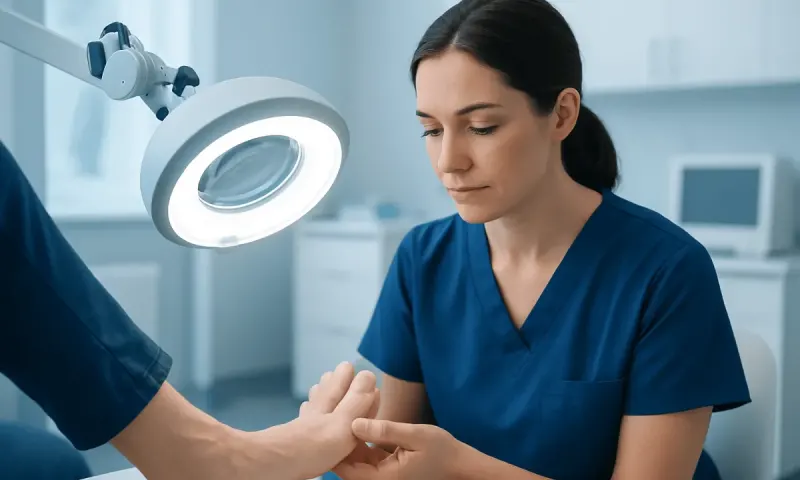
A careful medspa consultation should focus on the person rather than a trend or package. It commonly includes discussion of skin type, medical conditions, medications, allergies, pregnancy status where relevant, previous aesthetic procedures, healing history and desired outcomes. This process helps identify whether a treatment is appropriate and whether another option, including no treatment, would be safer or more suitable.
Common Medspa Procedures
Medspa procedures are often grouped by the concern they address. Injectable treatments may include botulinum toxin injections to temporarily relax selected facial muscles, and dermal fillers to restore or add volume in appropriate areas. These treatments can be effective when performed with sound anatomical knowledge, but they are medical procedures and should not be treated as routine beauty services.
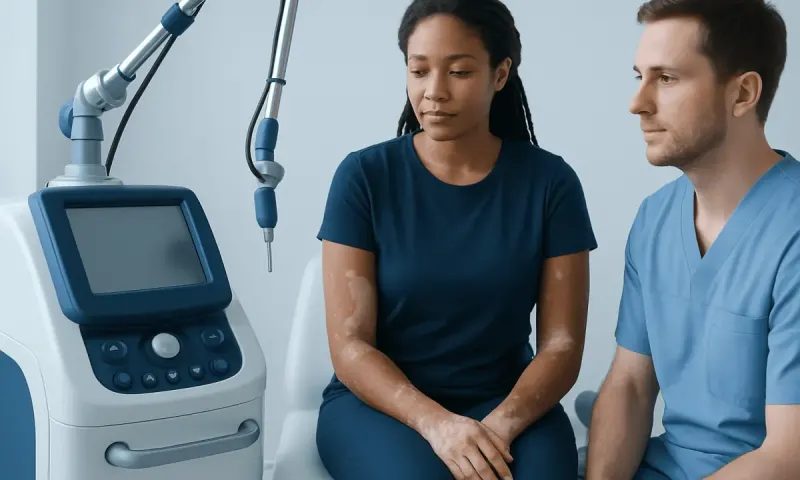
Skin-focused options can include superficial or medium-depth chemical peels, microneedling, radiofrequency treatments, intense pulsed light, laser hair removal, laser treatment for selected pigment or vascular concerns, and laser or energy-based resurfacing. The best approach depends on skin tone, sensitivity, the concern being treated and the amount of recovery time a person can allow. For example, deeper resurfacing may produce more noticeable skin renewal but generally involves greater downtime and a higher risk of irritation or pigment changes.
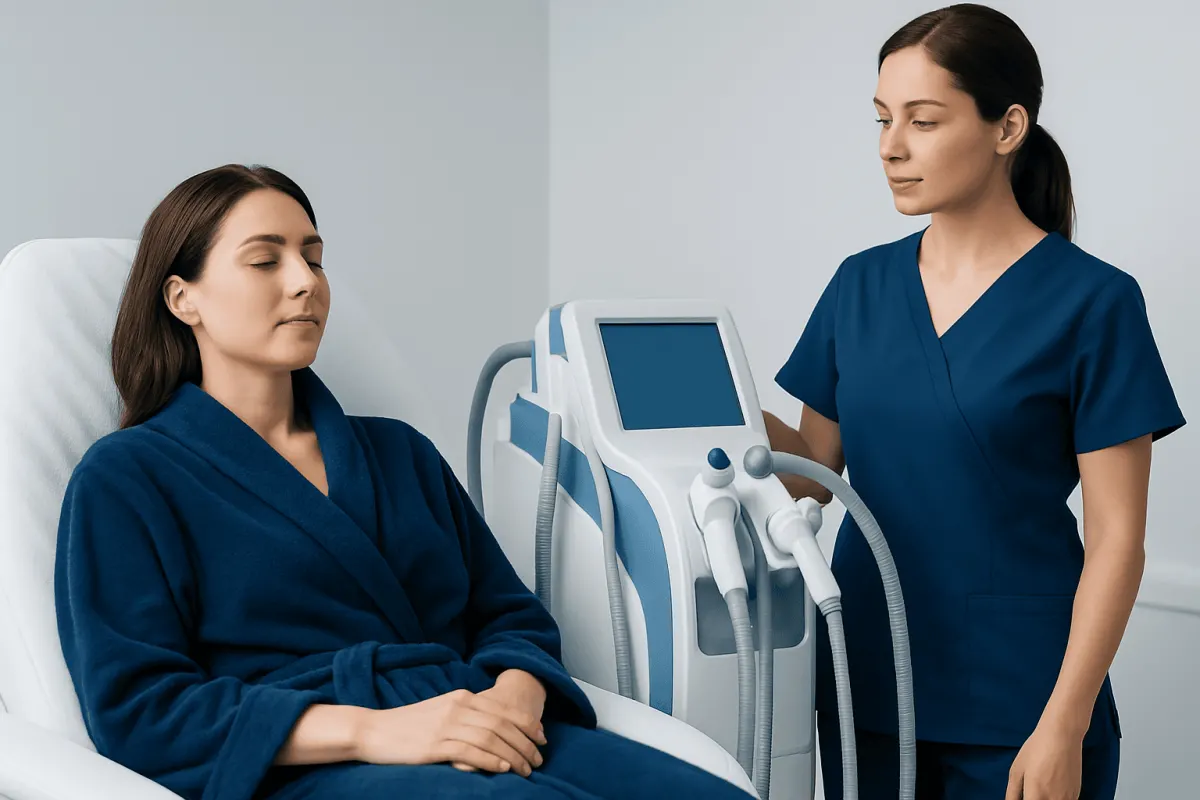
Some medspas also offer non-surgical body procedures, such as energy-based body contouring, treatments intended to reduce the appearance of cellulite, or selected fat-reduction technologies. These procedures do not replace healthy habits or bariatric surgery where weight-related health concerns are present, and results can be modest, gradual and variable.
- Injectables: wrinkle-relaxing injections and dermal fillers
- Skin renewal: peels, microneedling, light-based and laser treatments
- Hair reduction: laser or light-based hair-removal treatments
- Body-focused procedures: selected contouring or skin-tightening technologies
Choosing the Right Treatment and Provider

Appropriate treatment begins with a clear, achievable goal. A clinician may recommend a conservative approach, staged treatments or a different procedure after assessing the skin and facial or body anatomy. A responsible provider explains what the treatment can and cannot change, how long benefits may last, whether maintenance is needed and what alternatives are available.
Medical history matters. Conditions that affect healing, active skin infections, a history of cold sores, inflammatory skin disease, previous scarring problems, certain medications and recent tanning may affect timing or treatment choice. People who are pregnant or breastfeeding should discuss any planned procedure with their obstetric clinician and aesthetic provider, as many elective treatments are deferred during this period.
Before proceeding, patients can ask practical safety questions: Who will perform the procedure? Is that person licensed and experienced in this specific treatment? Which product or device will be used? What are the likely side effects and uncommon but serious risks? What aftercare is needed, and how can the clinic be contacted if symptoms occur? Written consent and clear aftercare instructions support informed decision-making.
It is also sensible to avoid pressure to have several procedures at once or to pursue a treatment solely because it is popular online. Photographs can be useful for discussing goals, but edited images and variable lighting can create unrealistic expectations. A trusted clinician should help patients make a choice that is appropriate for their individual features and health.
What Happens During a Medspa Visit?
A first visit usually includes a consultation and, if treatment is planned, a review of consent and aftercare. The skin may be cleansed and photographed for clinical comparison. Depending on the procedure, topical numbing cream, cooling, protective eye shields or local anesthetic may be used. Many treatments are completed in less than an hour, but the appointment length varies with the area treated and the technique.
During injectable procedures, the clinician uses small needles or cannulas to place the product at specific anatomical points. With laser, light or radiofrequency treatments, the device is passed over the treatment area in measured sessions. Patients may notice warmth, brief stinging, pressure or snapping sensations. The team should explain what sensations are expected and invite the patient to report significant discomfort immediately.
Some results are visible soon after treatment, while others develop gradually as swelling settles or as collagen remodeling occurs. For procedures designed to influence collagen, visible change may take weeks or months. More than one session may be advised for concerns such as hair reduction, pigmentation or texture, but the need for repeat treatment should be discussed in advance.
Recovery and Aftercare
Recovery after a medspa procedure depends on treatment intensity, the body area, individual skin response and whether multiple procedures were combined. Mild redness, tenderness, swelling, bruising, dryness or temporary sensitivity are common after many treatments. Injectable treatments often involve little downtime, whereas chemical peels and laser resurfacing can cause visible peeling, crusting or redness for longer periods.
Aftercare instructions are specific to the procedure. In general, patients may be advised to use gentle skin-care products, avoid picking or scrubbing treated skin, limit heat exposure and strenuous exercise for a short period when recommended, and avoid applying makeup until it is safe to do so. Broad-spectrum sun protection and minimizing direct sun exposure are especially important after peels, lasers and other skin-resurfacing procedures because healing skin is more vulnerable to discoloration.
Patients should not use active skin-care ingredients, such as retinoids, exfoliating acids or strong bleaching products, unless their clinician confirms when they can be restarted. They should also disclose and follow instructions about medicines or supplements that may increase bruising or interfere with healing. If preventive antiviral medicine is recommended for someone with a history of cold sores, it should be taken exactly as prescribed.
Keeping follow-up appointments allows the clinician to assess healing, review results and decide whether further treatment is appropriate. It is best to allow adequate recovery time before an important event, particularly for treatments known to cause swelling, bruising or peeling.
Results: What to Expect Realistically
Results from a medspa treatment are individual. They depend on the procedure, the underlying concern, skin characteristics, age, lifestyle factors, the technique used and adherence to aftercare. A treatment may improve a specific feature or skin concern, but it cannot stop natural aging, fully erase scars, or reliably create the same result seen in another person.
Some outcomes are temporary. For example, wrinkle-relaxing injectable effects commonly wear off over time, and many people choose maintenance appointments if they wish to continue the effect. Dermal fillers also gradually break down, although duration differs by product and treatment area. Laser hair reduction typically reduces hair growth rather than permanently removing every hair, and maintenance may be needed.
Skin-resurfacing treatments may lead to smoother texture or a more even-looking tone after healing, but improvement is often progressive rather than immediate. Consistent sun protection, gentle skin care, smoking avoidance and management of relevant skin conditions can help preserve results. A qualified clinician can explain a realistic timeline and how results will be evaluated.
Safety, Side Effects and When to Seek Medical Care
Most people recover without serious problems when a procedure is appropriate and delivered by a qualified professional. However, every treatment has potential side effects. These may include temporary redness, swelling, bruising, itching, dryness, uneven pigmentation, acne flare-ups, burns, scarring, infection or an unsatisfactory cosmetic outcome. Risk can be higher when unsuitable devices, unapproved products or overly aggressive techniques are used.
Patients should seek urgent medical care for trouble breathing, facial or throat swelling, widespread hives, severe or increasing pain, rapidly spreading redness, fever, pus, marked blistering, black or pale skin changes, or signs of a severe allergic reaction. After facial filler treatment, sudden changes in vision, severe headache, unusual weakness, or skin that becomes very painful and pale or mottled require immediate emergency assessment.
For less urgent concerns, patients should contact the treating clinician promptly if swelling, bruising or redness is worsening rather than improving, if they are concerned about delayed healing, or if the result differs significantly from what was discussed. It is safer not to attempt to dissolve, massage, drain or otherwise correct a complication without clinical guidance.
Acıbadem Health Point’s multidisciplinary specialists and JCI-accredited hospitals can assess and treat aesthetic concerns and procedure-related complications for international patients when medically appropriate.
Frequently asked questions
01What is the difference between a spa and a medspa?
A traditional spa generally focuses on relaxation and non-medical beauty services. A medspa offers procedures that may affect the skin or underlying tissues more directly and should involve appropriate medical assessment, supervision or delivery according to local rules. The level of clinical oversight varies by treatment and location.
02Are medspa procedures safe?
Medspa procedures can be performed safely when they are appropriate for the patient and delivered by a properly trained, licensed professional in a suitable clinical setting. They still carry risks, including burns, infection, pigment changes, bruising and unwanted cosmetic results. A health history review, informed consent and clear aftercare reduce avoidable risks.
03How long is recovery after a medspa treatment?
Recovery can range from no meaningful downtime after some injectable treatments to several days or longer after stronger peels or laser resurfacing. Redness, swelling, bruising or peeling may occur depending on the procedure. The clinician should provide a personalized recovery timeline before treatment.
04How long do medspa results last?
Duration depends on the procedure and the individual. Some injectable results fade gradually over months, while collagen-focused procedures can develop slowly and may last longer but still require maintenance. Skin care, sun exposure, smoking and natural aging also influence how long changes remain visible.
05Can anyone have laser or chemical peel treatments?
Not everyone is an ideal candidate for every laser or peel. Skin tone, active skin conditions, tendency toward abnormal scarring, recent tanning, medications and previous reactions can change the risk profile. A clinician should assess these factors and recommend the safest suitable option.
06Should a person avoid medspa treatments before an event?
It is usually wise to schedule a consultation well before an important event, especially if considering a first-time treatment. Some procedures can cause bruising, swelling or peeling that takes time to settle, and results may develop gradually. The provider can advise on an appropriate timeline based on the planned treatment.
This article is for general information only and is not a substitute for professional medical advice. Please consult a qualified doctor about your individual situation.
Hair transplant in Turkey — costs, graft counts & a free assessment
JCI-accredited · board-certified surgeons · reply within 24h
Add us as a Preferred Source to see more of our trusted health content across Google Search, AI Overviews and Discover.