Medical Technologies
Explore the advanced diagnostic and treatment technologies behind our care — filter by branch or device type.
44 technologies
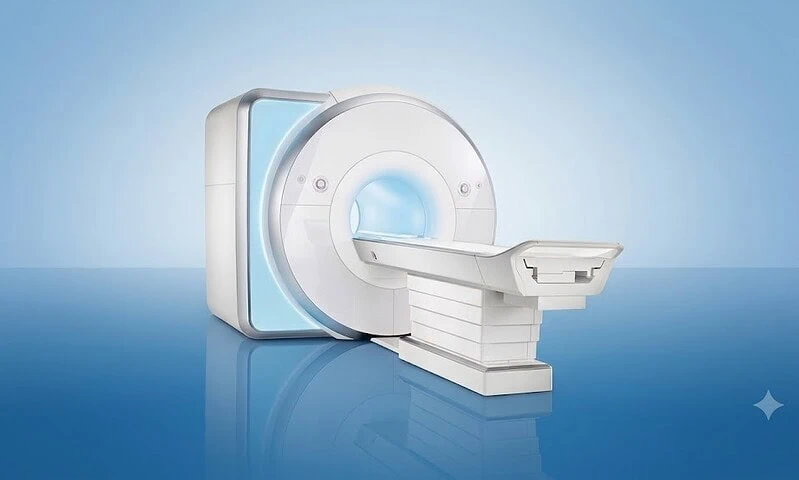
3 Tesla MR
Diagnosis Radiology3 Tesla Prism MR
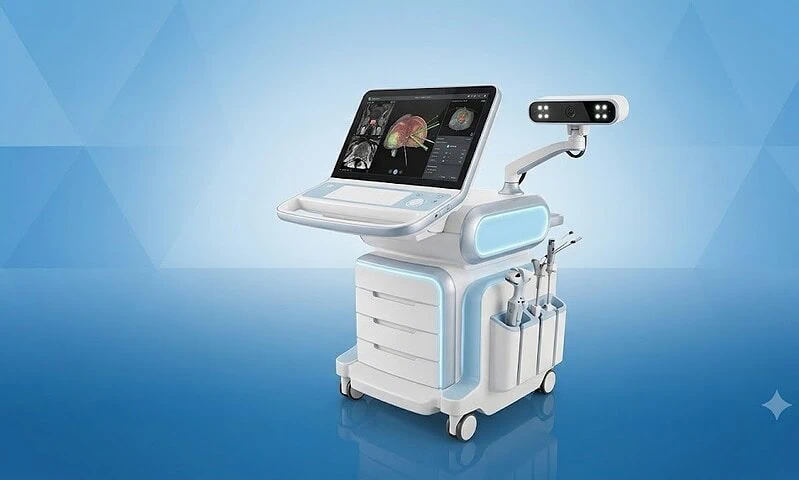
Diagnosis Neurology3D Imaging and Navigation System for Prostate Biopsy
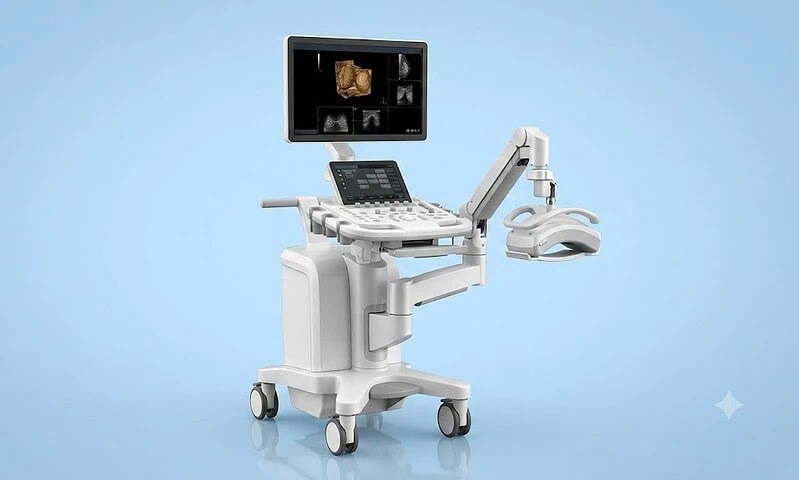
Diagnosis Urology4D Breast Ultrasonography
Diagnosis General SurgeryAmadeo
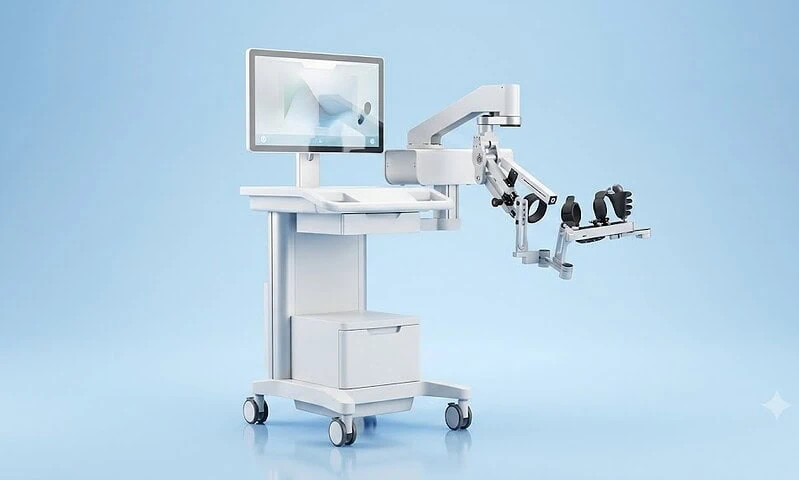
Treatment Physical Medicine & RehabilitationArmeoSpring
Treatment Physical Medicine & RehabilitationC-Mill
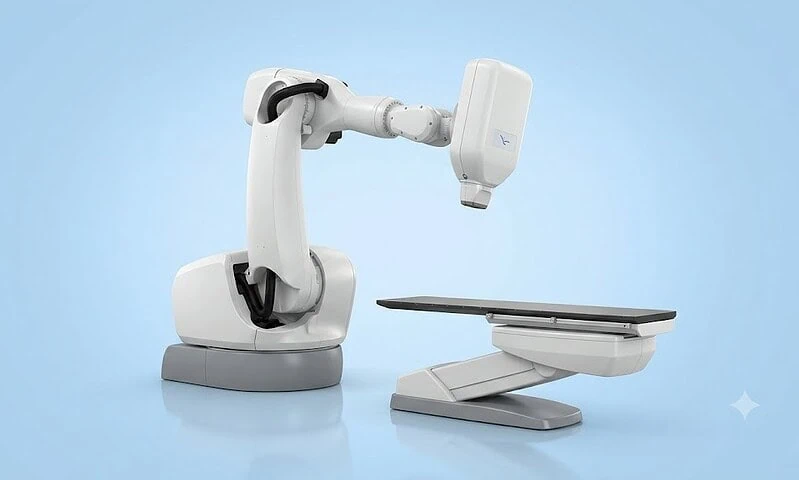
Treatment Physical Medicine & RehabilitationCyberKnife
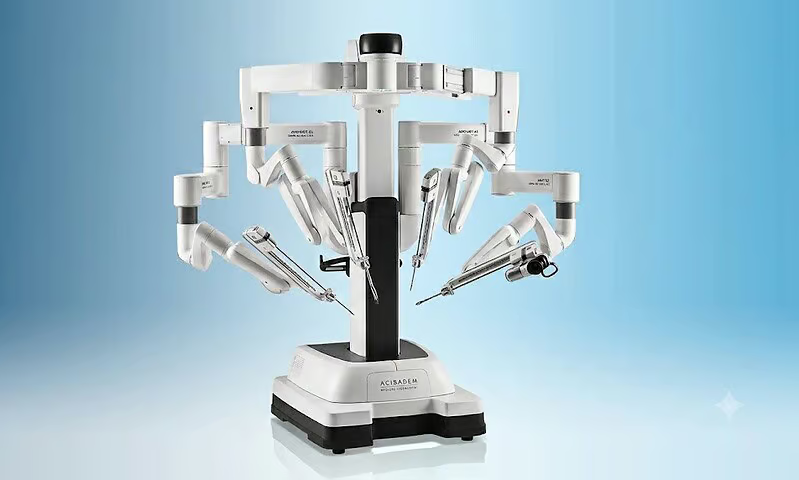
Treatment Radiation Oncologyda Vinci
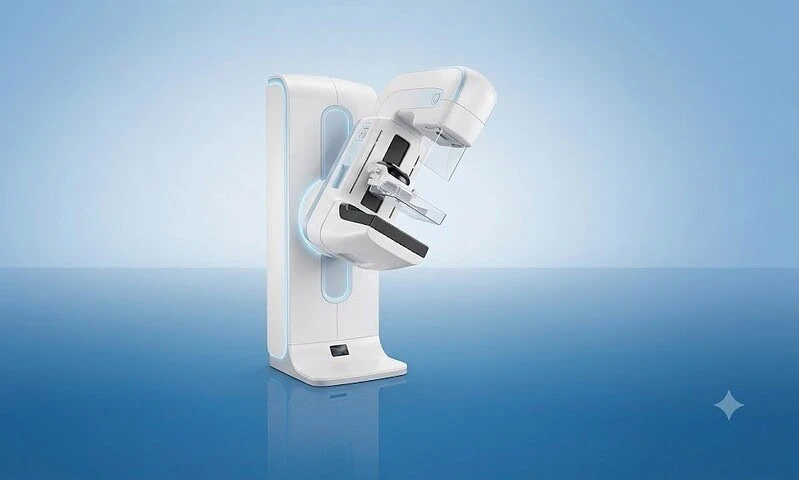
Treatment General SurgeryDigital Mammography with 3D Tomosynthesis
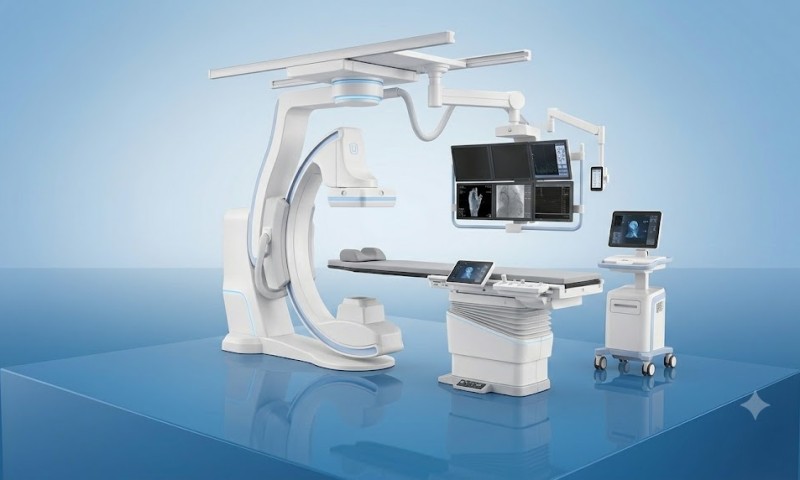
Diagnosis RadiologyDSA Digital Angiography
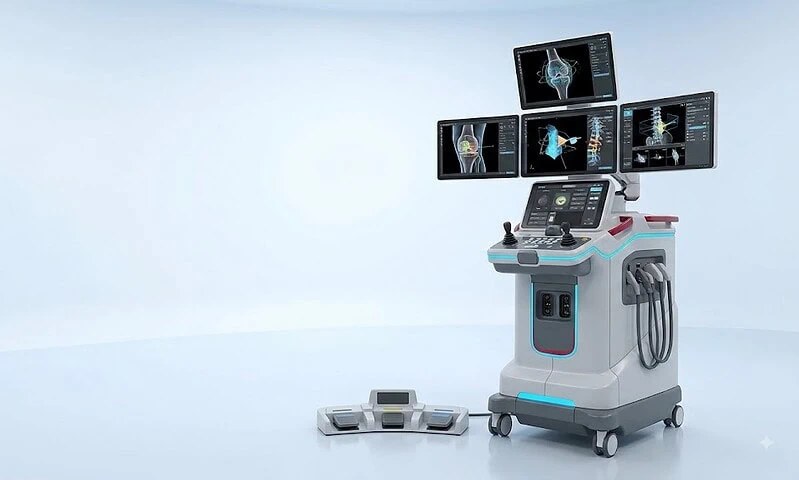
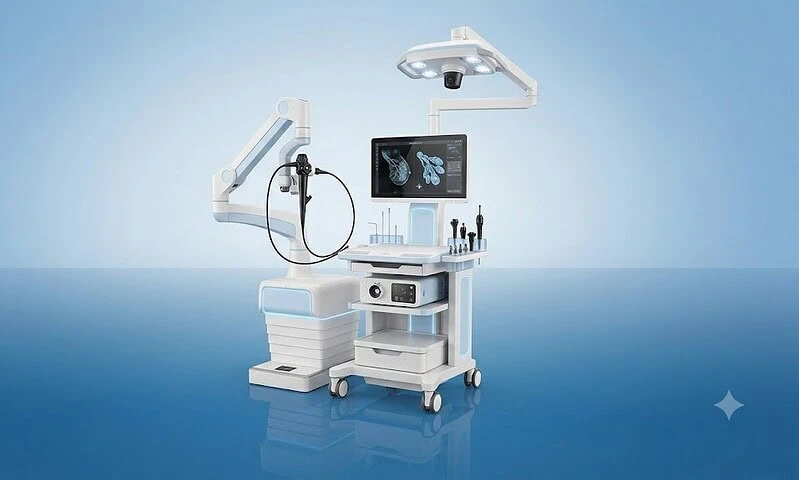
Diagnosis CardiologyDuctoscopy
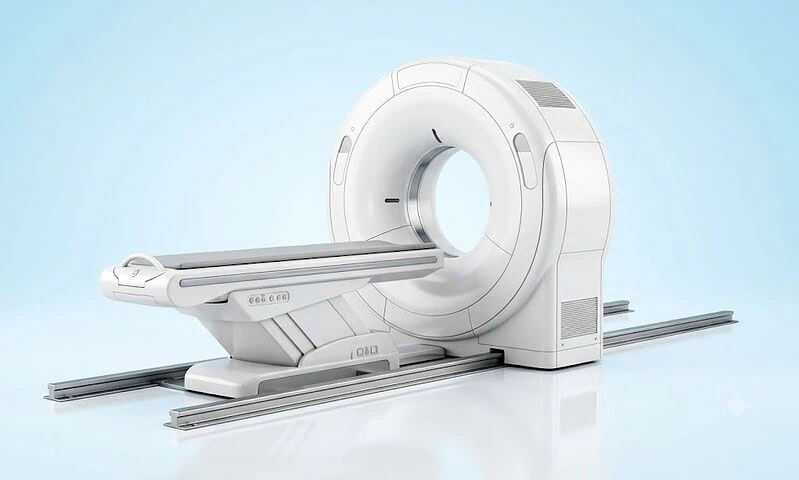
Diagnosis General SurgeryEBUS
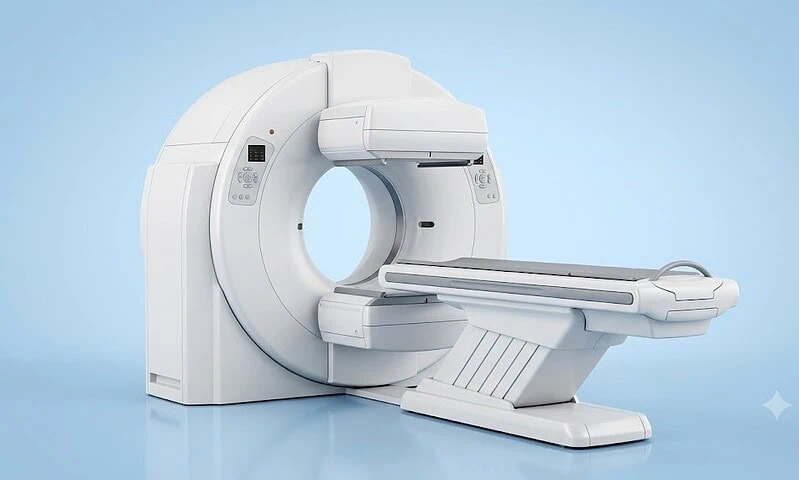
Diagnosis PulmonologyEOS (3D Skeletal System Imaging)
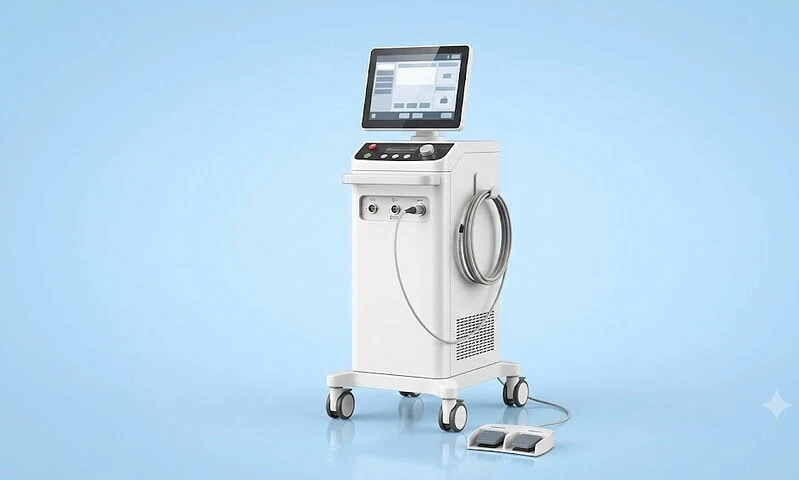
Diagnosis Orthopedics & TraumatologyEthos
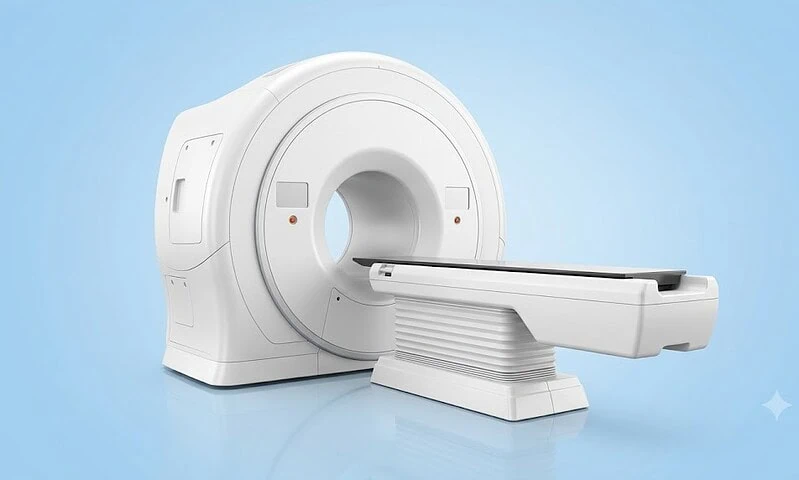
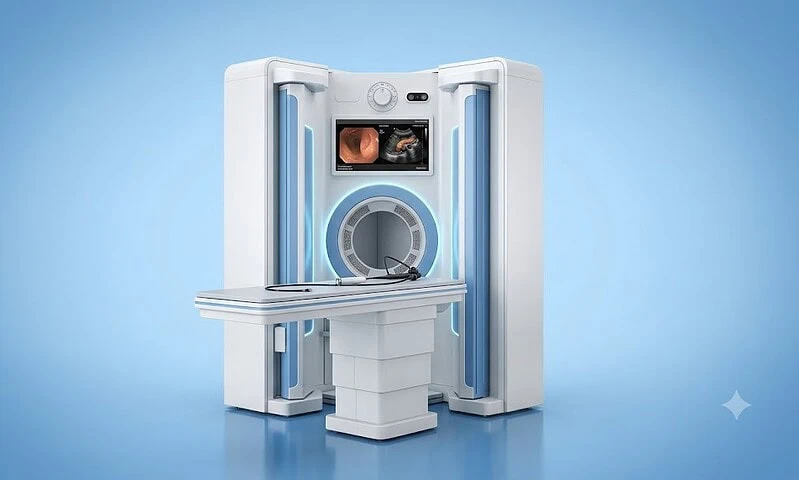
Treatment Radiation OncologyEUS (Endoultrasonography)
Diagnosis GastroenterologyExcimer Laser
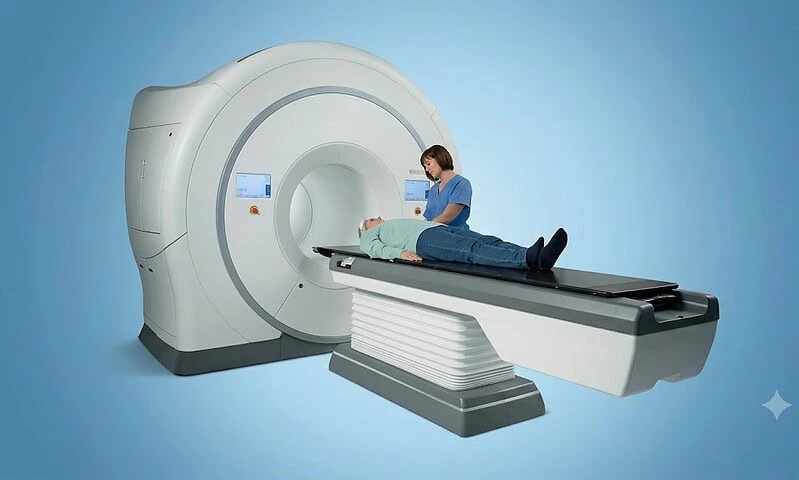
Treatment OphthalmologyFemto Cataract Laser
Treatment OphthalmologyFemtosecond Laser
Treatment OphthalmologyFibroscan
Diagnosis GastroenterologyFlash CT
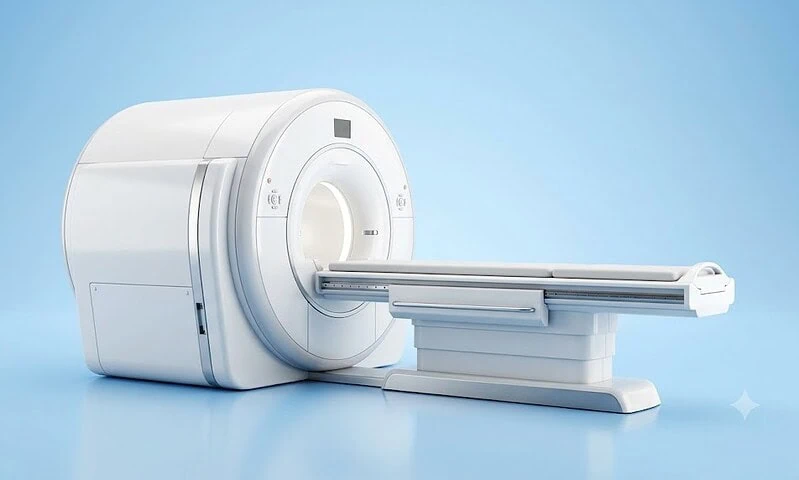
Diagnosis RadiologyForce CT
Diagnosis RadiologyGamma Knife Esprit
Treatment NeurosurgeryGamma Knife Perfexion
Treatment NeurosurgeryHarmony
Diagnosis RadiologyHoLep
Treatment UrologyIntraoperative 3 Tesla MRI
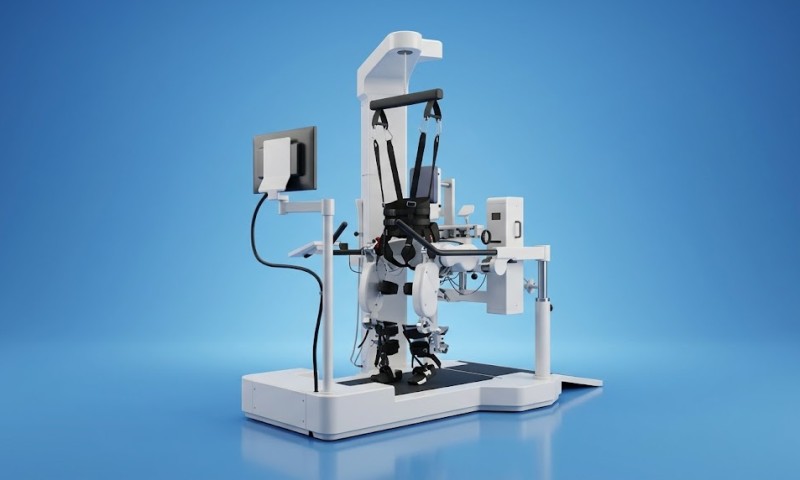
Diagnosis NeurosurgeryLokomat Pro
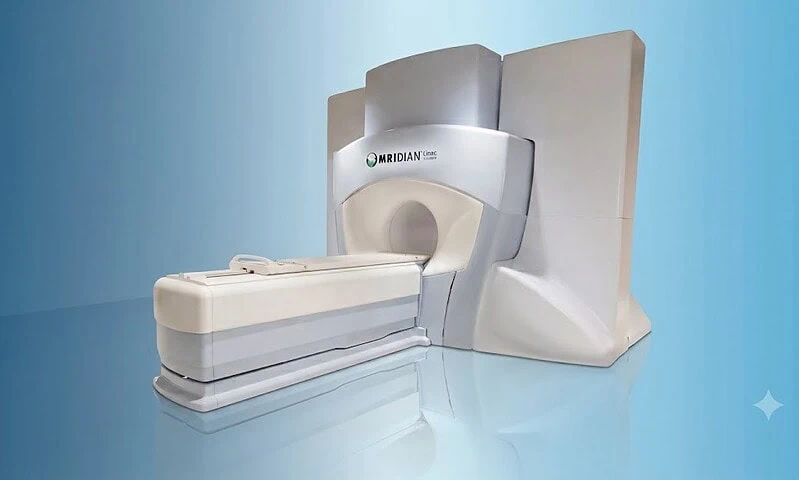
Treatment Physical Medicine & RehabilitationMR Linac
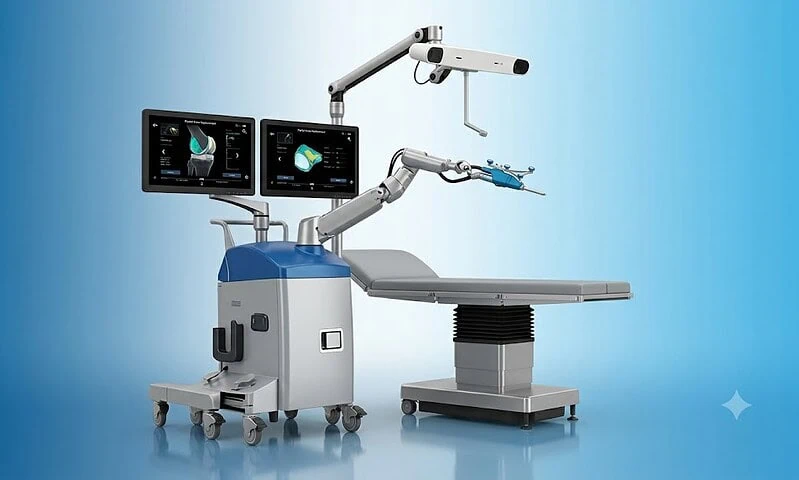
Treatment Radiation OncologyNavio Knee Robot
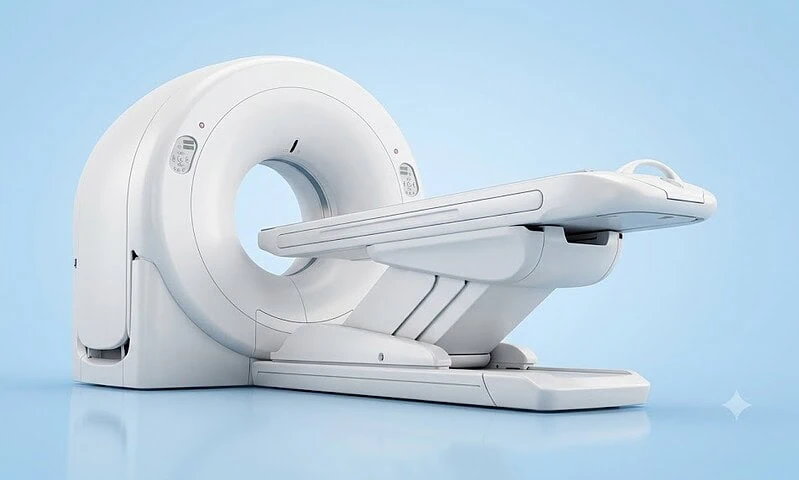
Treatment Orthopedics & TraumatologyPET-CT
Diagnosis Medical OncologyPinpoint (Fluorescence Imaging System)
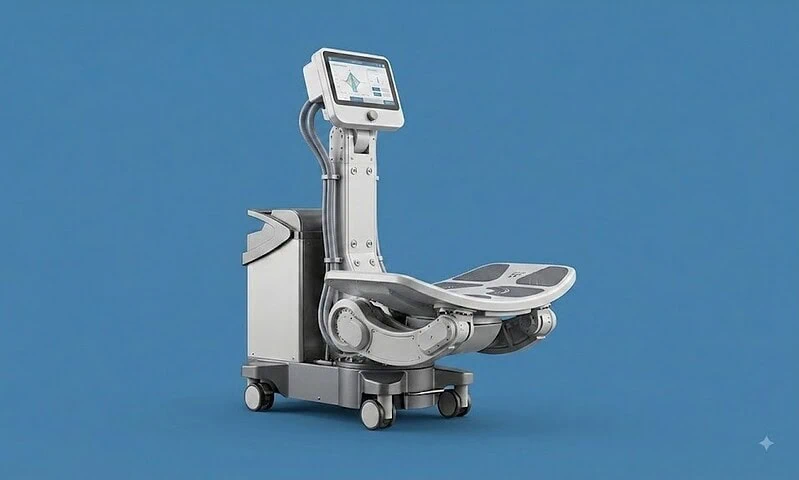
Treatment General SurgeryPosturography (Balance) Device
Diagnosis NeurologyProstate SBA
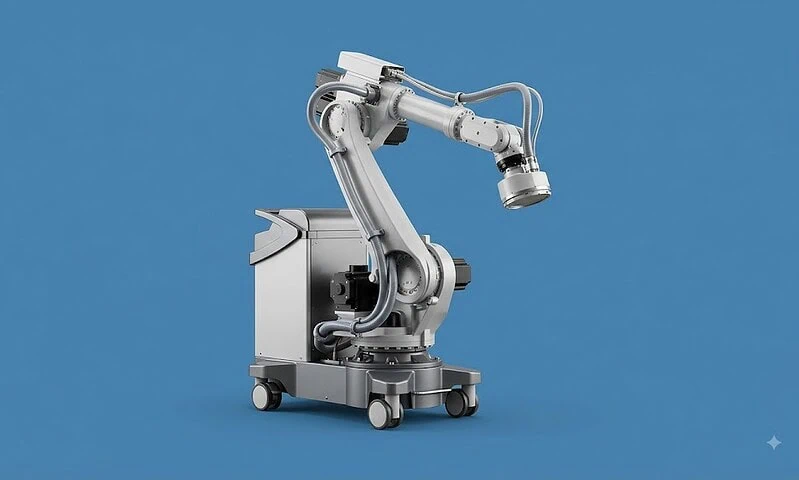
Diagnosis UrologyRobotic Arm Angio
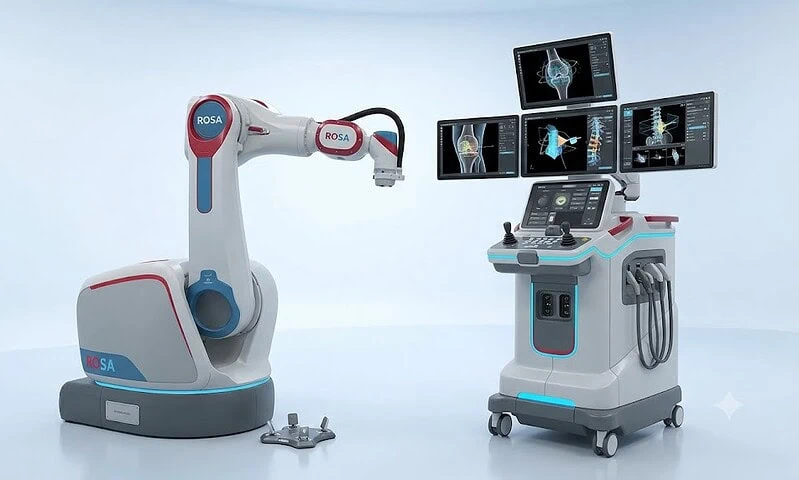
Diagnosis CardiologyROSA (Robotic Surgical Assistant)
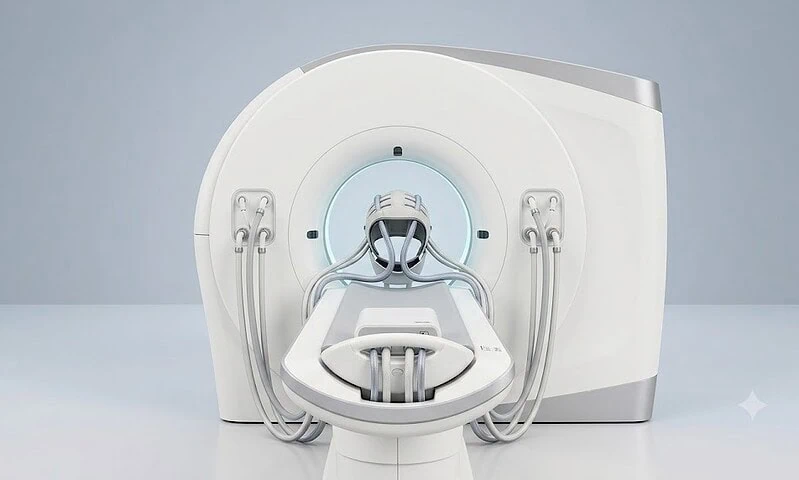
Treatment NeurosurgeryScalp Cooling Head
Treatment Medical OncologySliding CT
Diagnosis RadiologySomatom Drive
Diagnosis RadiologySpect CT
Diagnosis Nuclear MedicineThulium Fiber Laser
Treatment UrologyTomotherapy HDA
Treatment Radiation OncologyTrueBeam
Treatment Radiation OncologyWhole Body MR
Diagnosis RadiologyNo technology matches your filters.
Have a question about your treatment?
Our medical team can explain which technologies are right for your case — free of charge.
Acıbadem Technologies bring together the advanced medical equipment and digital systems used across the Acıbadem hospital network — from high-resolution imaging and robotic surgery to modern radiotherapy and molecular diagnostics. Technology only improves results when it is paired with the expertise to use it well, and this page explains the main technologies international patients ask about, what each one is for, and how they fit into safe, modern care.
What do we mean by Acıbadem Technologies?
"Acıbadem Technologies" refers to the diagnostic and treatment equipment, surgical systems and information technology that support care throughout the network. In practical terms it covers four broad areas: imaging that lets doctors see inside the body without surgery; surgical technology that makes operations more precise and less invasive; radiotherapy systems that treat cancer accurately while sparing healthy tissue; and laboratory and digital tools, including molecular diagnostics and shared electronic records, that turn data into better decisions. For an international patient, the value of this technology is not the machines themselves but what they make possible: earlier and more accurate diagnosis, smaller and safer procedures, faster recovery and treatment plans tailored to the individual.
A useful way to think about medical technology is as a tool in skilled hands. The same scanner can produce an ordinary report or a life-changing one depending on the radiologist interpreting it; the same robotic system is only as good as the surgeon operating it. That is why the network deliberately pairs investment in equipment with experienced, specialised teams and with the quality systems that keep complex technology running safely.
Advanced imaging: seeing clearly before treating
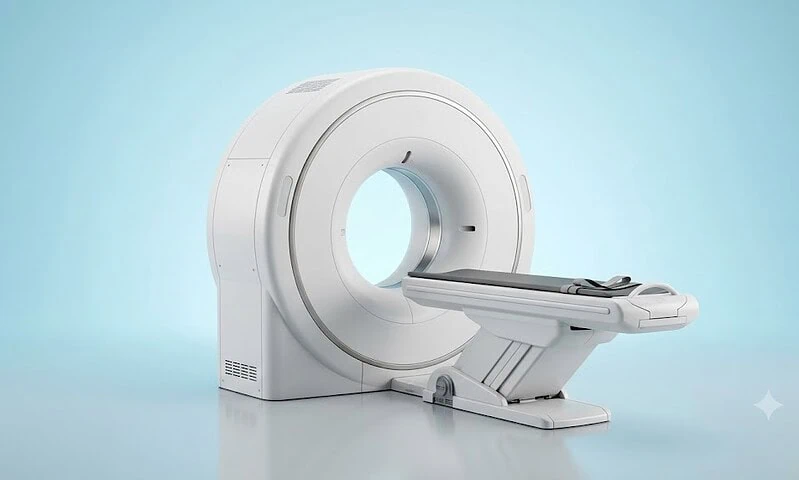
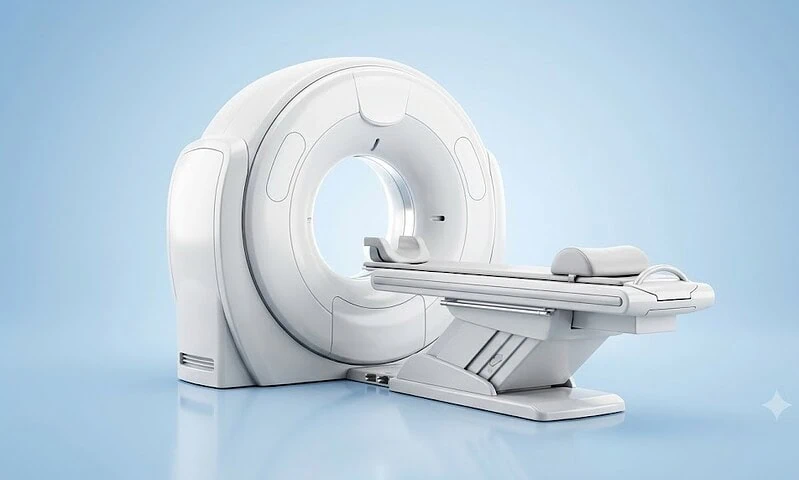
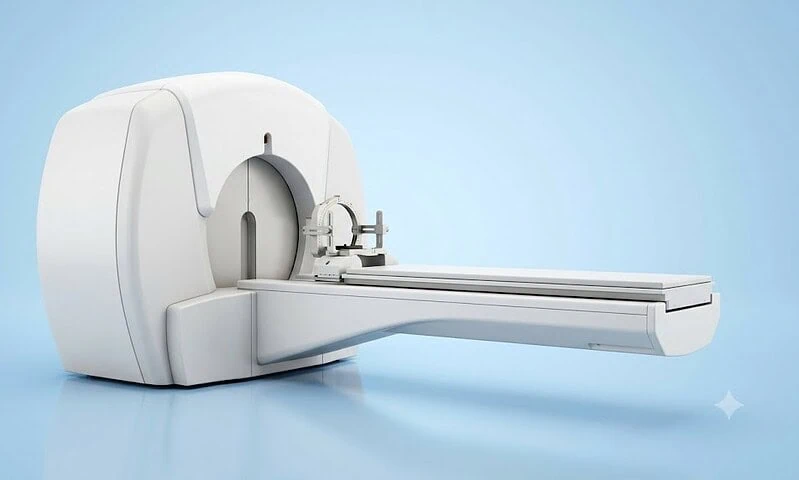
Accurate treatment begins with an accurate picture, and modern imaging is the foundation of nearly every specialty. High-field MRI (magnetic resonance imaging) produces detailed images of soft tissues such as the brain, spine, joints and internal organs without using radiation, which makes it invaluable for diagnosing neurological, musculoskeletal and many cancer-related conditions. Computed tomography (CT) provides rapid, detailed cross-sectional images that are essential in emergencies, in planning surgery and in assessing the chest, abdomen and blood vessels. PET-CT combines functional and anatomical imaging to show not just where a structure is but how active it is, which is especially important in staging cancer and monitoring how it responds to treatment.
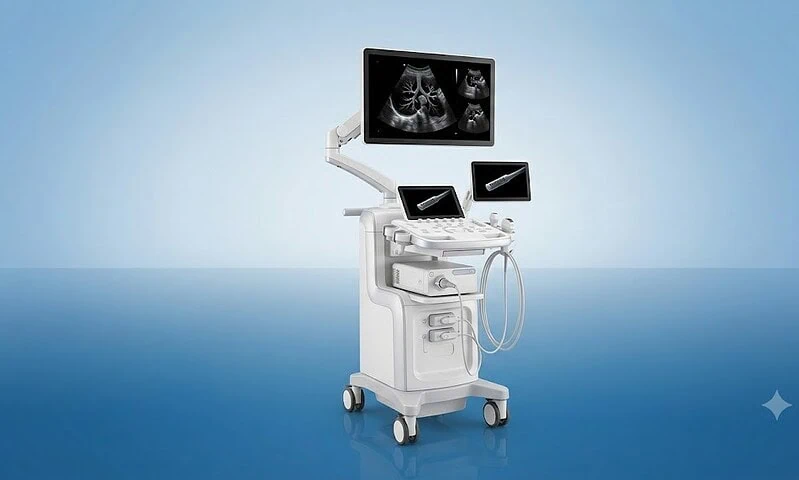
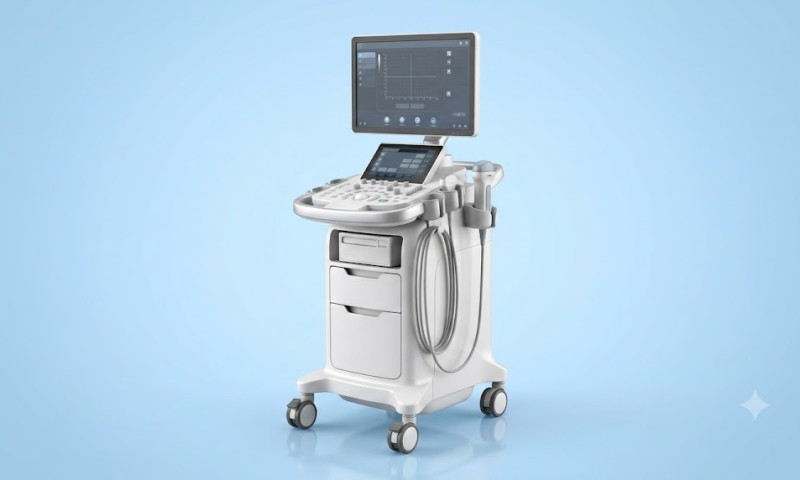
Around these core technologies sit ultrasound, mammography and a range of specialised studies, all supported by digital systems that store and share images instantly with the wider care team. Increasingly, software tools assist radiologists by highlighting areas of interest and helping to quantify findings, which can improve consistency. The practical benefit for patients is twofold: conditions are detected earlier and characterised more precisely, and treatment can be planned with confidence because the team is working from a complete, high-quality picture.
Robotic and minimally invasive surgery
One of the biggest shifts in modern surgery has been the move from large open incisions to minimally invasive techniques. In laparoscopic and endoscopic surgery, operations are performed through small openings using a camera and slender instruments. Robotic-assisted surgery takes this further: the surgeon controls precise instruments from a console, with a magnified three-dimensional view and instruments that can move with a range and steadiness beyond the human hand. The surgeon remains in full control at every moment; the robot is a sophisticated tool, not an autonomous operator.
For suitable patients, the advantages of minimally invasive and robotic approaches can include smaller incisions, less blood loss, reduced pain, lower infection risk, shorter hospital stays and a faster return to normal life. These techniques are used across many specialties, including urology, gynaecology, general and colorectal surgery, and selected thoracic and head-and-neck procedures. Not every operation is suited to a robotic or keyhole approach, and the right method depends on the condition, the anatomy and the surgeon's judgement. A good team will recommend the approach that is safest and most effective for you, and explain why.
Modern radiotherapy for cancer
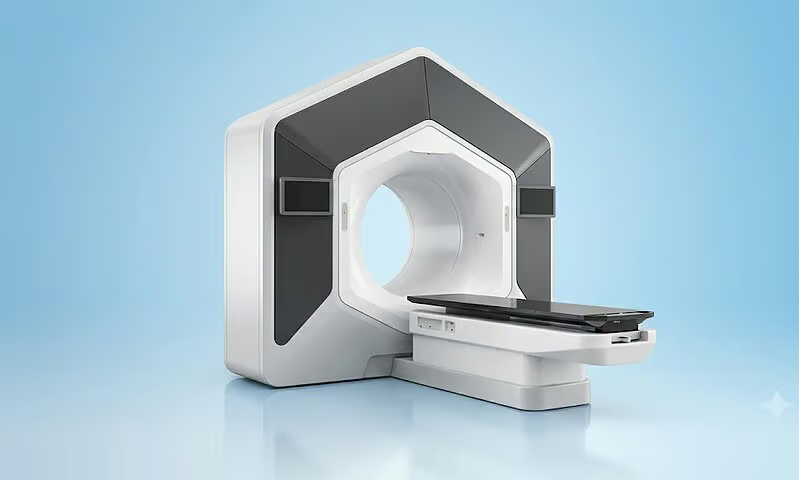
Radiotherapy uses targeted radiation to destroy cancer cells, and modern systems are designed to deliver that radiation with great accuracy while protecting surrounding healthy tissue. Image-guided and intensity-modulated techniques shape the radiation dose to the precise contours of a tumour and adjust for its position, which allows higher, more effective doses with fewer side effects. Stereotactic approaches can treat small, well-defined targets with pinpoint accuracy, sometimes in just a few sessions. These treatments are planned by a team of radiation oncologists, medical physicists and radiation therapists using detailed imaging, so that every beam is calculated for the individual patient.
The aim of modern radiotherapy is to maximise the effect on the tumour while minimising the impact on the rest of the body. For patients, that can mean better control of the disease, fewer and milder side effects, and in some cases shorter overall treatment. As with all cancer care, radiotherapy is usually part of a wider plan agreed by a multidisciplinary tumour board, alongside surgery, medical oncology and supportive care.
Interventional and hybrid procedures
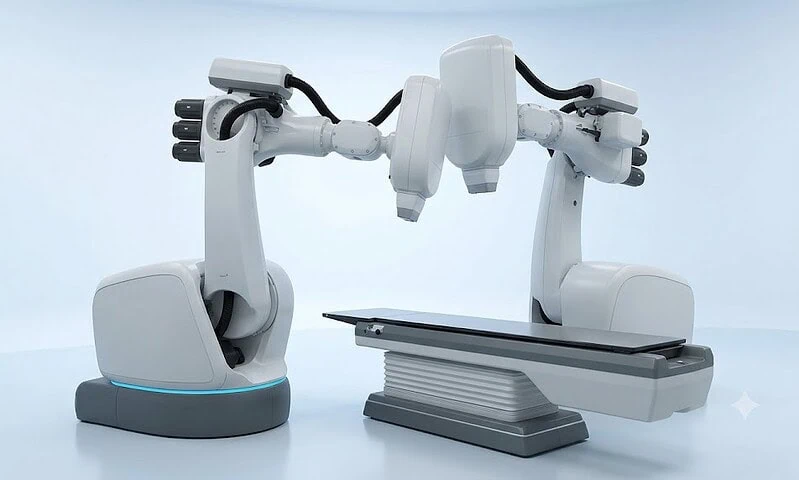
Many conditions that once required major open surgery can now be treated through tiny incisions using image guidance. In interventional radiology and interventional cardiology, specialists thread fine catheters through blood vessels to treat blockages, repair vessels, deliver targeted therapy to tumours or stop internal bleeding, all watched in real time on advanced imaging. Hybrid operating theatres combine high-quality imaging with full surgical capability in one room, so that complex cardiovascular and other procedures can switch seamlessly between minimally invasive and open techniques if needed. For patients, these approaches often mean less trauma, shorter recovery and the ability to treat conditions that would otherwise carry higher surgical risk.
Laboratory, molecular and genetic diagnostics
Some of the most important technology in a modern hospital is found in the laboratory. Beyond routine blood and tissue tests, molecular and genetic diagnostics analyse the specific characteristics of a disease at the level of its DNA and proteins. In oncology, this makes it possible to identify the particular features of a tumour and to match patients with targeted therapies and immunotherapies that are most likely to work for them, an approach often called personalised or precision medicine. Genetic testing also supports the diagnosis of inherited conditions and informs decisions in areas such as reproductive medicine. Reliable, accredited laboratories and standardised protocols ensure that these results are accurate and comparable, which is essential when treatment decisions depend on them.
Digital health, records and quality systems
The technology patients notice least is often the most important to their safety. Shared electronic health records mean that a patient's history, allergies, medications, imaging and laboratory results are available instantly to every member of the care team, reducing errors and avoiding repeated tests. Digital systems support medication safety, infection control and the continuous measurement of outcomes that drives improvement. For international patients, these systems also make continuity possible: information gathered during a remote consultation flows into the in-person treatment and then home again in a portable format, so care is joined up rather than fragmented.
How technology and expertise work together
It is worth repeating, because it matters: technology improves outcomes only when it is matched by skill, volume and good processes. A scanner is only as useful as the radiologist reading it; a robotic system only as good as the surgeon at the console; a radiotherapy plan only as safe as the physics and quality checks behind it. This is why, when comparing options from abroad, the most useful questions are not only "what equipment do you have?" but "how often does your team perform my procedure, and how do you measure your results?" The combination of modern technology, experienced specialists and rigorous quality systems is what produces dependable care.
What this means for you as a patient
For most patients, the right technology is whichever one delivers the safest, most effective treatment for their specific condition, used by a team that knows it well. You do not need to choose between technologies yourself. When you share your medical information, the relevant specialists will recommend the appropriate diagnostic tests and treatment approach, explain why, and outline what to expect. If you would value reassurance before deciding, a second medical opinion can be arranged so that you understand your options fully.
Imaging in everyday care: what to expect
For many patients, imaging is the first point of contact with hospital technology, so it helps to know what the common studies involve. An MRI is painless and uses powerful magnets rather than radiation; you lie still inside the scanner for anywhere from a few minutes to around an hour depending on the study, and some examinations use a contrast agent to highlight specific tissues. A CT scan is quick, often taking only minutes, and is excellent for detailed views of bone, blood vessels and the chest and abdomen. PET-CT involves a small amount of a tracer that reveals metabolic activity, which is particularly useful in cancer. Ultrasound uses sound waves and is entirely radiation-free, widely used for the abdomen, pregnancy, the thyroid and blood vessels. Knowing roughly what to expect reduces anxiety, and the team will always explain the specific preparation, such as fasting or stopping certain medicines, before any test.
The reports from these studies are read by specialist radiologists and shared digitally with the doctors planning your care. Because the images are stored electronically, they can be reviewed by more than one specialist, compared with previous scans to track change over time, and sent home with you so your local doctors have the full picture. This continuity is one of the quiet but important benefits of an integrated digital system.
Safety with radiation and contrast
Patients often, and reasonably, ask about safety. Techniques that use ionising radiation, such as CT and some cancer treatments, are governed by the principle of using the lowest dose necessary to answer the clinical question, and modern equipment is designed to keep doses as low as possible while preserving image quality. MRI and ultrasound do not use ionising radiation at all. Contrast agents, used to improve certain scans, are generally well tolerated, and the team checks beforehand for allergies and kidney function to choose the safest option. The benefit of a well-chosen scan, which is an accurate diagnosis that guides correct treatment, almost always outweighs the small risks, and those risks are managed carefully by trained staff and clear protocols.
How treatment plans are built from your data
Advanced technology is most powerful when its outputs are combined. A modern treatment plan is assembled from many sources: imaging that maps the anatomy, laboratory and molecular tests that characterise the disease, and the patient's own history and preferences. In a multidisciplinary meeting, specialists review this combined picture together and agree on a plan, whether that is surgery, radiotherapy, medical treatment, a combination, or active monitoring. Technology supports every step, from the imaging that defines a tumour's exact shape for radiotherapy planning, to the software that helps surgeons rehearse a complex operation, to the records that ensure nothing is missed. The result is care that is tailored to the individual rather than applied from a template.
Technology in prevention and early detection
Not all technology is about treating established disease; much of its value lies in finding problems early, when they are easier to treat. Structured check-up programmes use imaging, laboratory testing and screening tools to detect conditions such as cardiovascular disease, diabetes and certain cancers before symptoms appear. Early detection can transform outcomes, turning a serious illness into a manageable one. For people with a family history or specific risk factors, genetic and molecular testing can also clarify risk and guide a personalised prevention plan. Used wisely, and interpreted by experienced clinicians, these tools support a shift from reacting to illness towards protecting health.
Telemedicine and remote second opinions
Technology has also changed how care begins for international patients. Before any travel, you can share your medical history and existing imaging securely for a remote review, and consult a specialist by video. This means the assessment, the proposed plan and the cost estimate can all be prepared in advance, so that your visit is focused and efficient. A remote second opinion can also give valuable reassurance, allowing you to compare recommendations and make a confident, informed decision without leaving home. After treatment, the same tools support follow-up consultations so that the specialists who treated you can continue to monitor your progress.
Operating theatres, anaesthesia and intensive care
The technology that makes major treatment possible extends well beyond the headline systems. Modern operating theatres are equipped with advanced monitoring, imaging and life-support equipment, and are supported by experienced anaesthesia teams who tailor each anaesthetic to the patient and the procedure. After complex surgery or for critically ill patients, intensive-care units provide continuous monitoring and organ support, with equipment and specialist staff available around the clock. These capabilities are essential to the safety of ambitious treatments such as major cancer surgery, cardiovascular operations and transplantation: it is the combination of skilled surgery with strong anaesthetic and intensive-care backup that allows complex procedures to be undertaken with confidence. When a hospital can support the whole pathway, from the operating table to recovery, patients benefit from care that is both bolder where it needs to be and safer throughout.
Keeping technology safe: maintenance, calibration and training
Sophisticated equipment is only trustworthy when it is properly maintained, regularly calibrated and operated by trained staff, and this behind-the-scenes work is a core part of quality. Imaging scanners and radiotherapy machines undergo routine quality checks by medical physicists and engineers to ensure they perform exactly as intended. Surgical and interventional teams train continuously to maintain and extend their skills, including on new systems before they are used in patient care. Software and digital records are kept secure and up to date to protect patient information. None of this is visible to the patient, but it is precisely what separates technology that is genuinely safe from technology that merely looks impressive. It is reasonable, when comparing hospitals, to value this discipline as highly as the equipment itself.
Questions worth asking about technology
If you are weighing your options, a few focused questions cut through marketing language. Ask which specific test or treatment is recommended for your condition and why. Ask how often the team performs your particular procedure, since experience and volume are closely linked to good outcomes. Ask what the realistic benefits and risks are, and what the recovery looks like. Ask how your results and images will be shared with your doctors at home. And, if you are unsure, ask whether a second opinion is available. Good clinicians welcome these questions, because informed patients tend to be more confident and more satisfied with their care. Technology is there to serve your treatment, and you are entitled to understand how it will be used.
Frequently asked questions about Acıbadem Technologies
Does newer technology always mean better treatment?
Not automatically. The best treatment is the one that is most effective and safest for your specific condition, delivered by an experienced team. Advanced technology helps when it is the right tool for your case and is used by specialists who perform the procedure regularly.
Is robotic surgery available, and is it right for me?
Minimally invasive and robotic surgery are used across several specialties, but suitability depends on your condition and anatomy. After reviewing your case, the surgical team will recommend the approach that is safest and most effective for you and explain the reasoning.
How does modern radiotherapy reduce side effects?
Image-guided and intensity-modulated techniques shape the radiation dose to the tumour and adjust for its position, so healthy tissue receives less radiation. This can mean fewer side effects and, in some cases, shorter treatment, always planned by a specialist team for the individual.
What is precision or personalised medicine?
It is an approach that uses molecular and genetic information about a disease to choose treatments most likely to work for that individual. In cancer care, for example, it can match patients to targeted therapies based on the specific features of their tumour.
Can a specialist review my scans before I travel?
Yes. You can share existing imaging and reports for remote review, and the team can advise whether further tests are needed and what the likely plan and technology would be, before you make any decision.
Will I be able to take my imaging and results home?
Yes. Your imaging and results are provided in a portable digital format so your doctors at home can continue your care, and the team remains reachable for follow-up.
This page is for general information and does not constitute medical advice, a diagnosis or a treatment recommendation. The availability of specific technologies can vary between hospitals in the network, and the right approach for any individual depends on a qualified clinician's assessment. Always consult a healthcare professional about your situation.