

What Is Salmon Sperm Facial? A Complete Medical Guide

Key Takeaways
- A salmon sperm facial typically refers to a polynucleotide-based skin treatment, not an actual facial with salmon ingredients.
- It is used in aesthetic medicine to help improve hydration, texture, and the look of tired or aging skin.
- The procedure should be performed by a qualified medical professional using sterile, regulated products.
- Temporary redness, swelling, or small bruises can happen after treatment, and aftercare matters.
- People should avoid treatment if they have active skin infections, certain allergies, or other medical concerns unless a doctor says it is appropriate.
A salmon sperm facial is a cosmetic skin treatment that uses polynucleotides, molecules derived from salmon DNA, to support skin hydration and repair. It is usually offered as an injectable or topical aesthetic procedure rather than a home skincare product.
Overview
A salmon sperm facial is a popular name for a skin-rejuvenation treatment that uses polynucleotides, which are DNA fragments commonly sourced from salmon. In medical aesthetics, the goal is not to use salmon as a cosmetic ingredient in the everyday sense, but to deliver a biocompatible substance that may support skin quality, hydration, and repair.
Because the phrase sounds unusual, many people search for it before they fully understand what it means. In practice, this treatment is part of a broader group of aesthetic procedures that focus on improving the skin’s condition from within, often for people concerned about dullness, fine lines, uneven texture, or mild signs of aging.
For international patients considering treatment abroad, it helps to know that the salmon sperm facial is not a one-size-fits-all procedure. A doctor should assess skin type, goals, medical history, and expectations before recommending whether this option is suitable, or whether another treatment would be safer and more effective.
What the treatment actually is
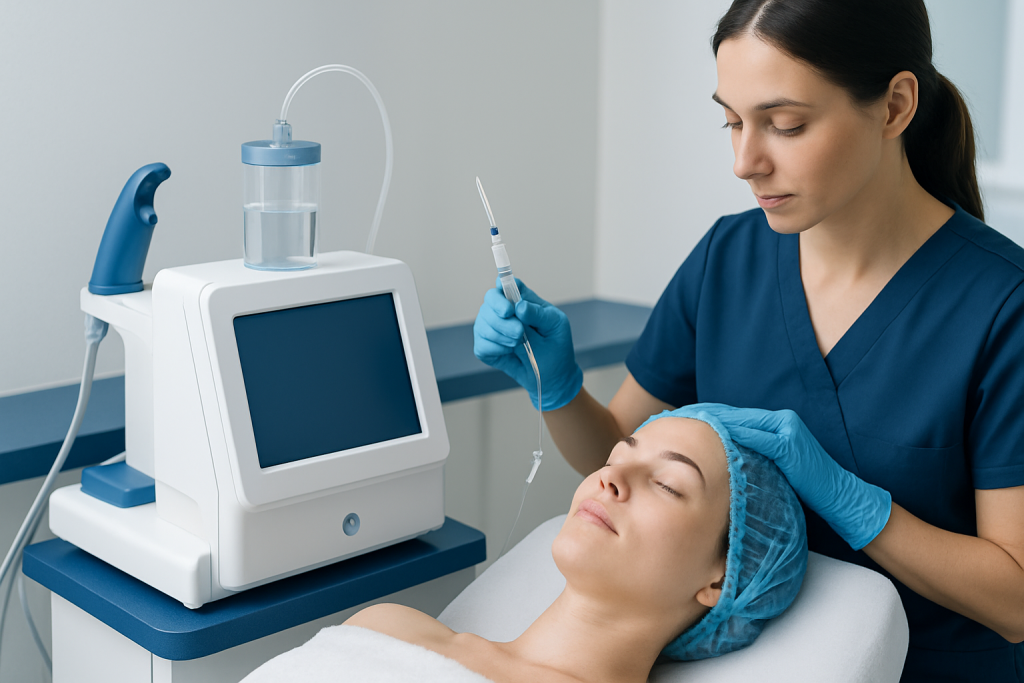
The term “salmon sperm facial” is a nickname rather than a formal medical diagnosis or procedure name. Most of the time, it refers to a polynucleotide treatment, sometimes called a PN skin treatment, that may be injected into the skin or used in combination with other aesthetic techniques.
Polynucleotides are studied in aesthetic medicine for their potential to support tissue repair and improve the skin environment. They are sometimes discussed alongside regenerative treatments because they may help the skin look more hydrated, smoother, and more refreshed over time, although results vary from person to person.
Some clinics may market these treatments with dramatic language, but patients benefit most from clear information. A qualified clinician should explain exactly which product is being used, how it works, where it will be placed, and what realistic improvement may look like for the individual patient.
Symptoms or concerns people want to address

People usually do not seek a salmon sperm facial because of a medical symptom in the strict sense. They seek it for cosmetic concerns such as dry skin, early fine lines, tired-looking skin, reduced elasticity, or a rougher texture that no longer responds well to basic skincare alone.
Some patients also look into this treatment after noticing that makeup sits differently on the skin, that their face appears less rested, or that sun exposure and stress have left the complexion looking uneven. In these cases, the treatment is considered as part of an overall skin-rejuvenation plan rather than as a stand-alone fix.
It is important to separate realistic goals from marketing claims. This procedure is generally intended to enhance skin quality, not to replace medical treatment for acne, rosacea, eczema, pigmentation disorders, or deeper wrinkles that may need a different approach.
Causes and risk factors
There is no single cause behind the desire for a salmon sperm facial; it is usually chosen in response to normal skin aging, environmental exposure, or a person’s aesthetic goals. Factors such as UV damage, smoking, dehydration, stress, sleep disruption, and natural collagen loss can all make the skin look less resilient over time.
Risk factors are more about treatment suitability than about the condition of the skin itself. People with active skin infections, open wounds, uncontrolled inflammatory skin disease, or a history of significant reactions to injectables should have a careful medical assessment before considering any procedure of this type.
Patients traveling internationally should also think about continuity of care. If they begin treatment abroad, they may need follow-up sessions, post-procedure advice, or help in managing temporary side effects after returning home, so choosing a clinic that can provide clear documentation is useful.
How diagnosis and consultation work
There is no laboratory test that “diagnoses” whether someone needs a salmon sperm facial. Instead, the process begins with a clinical consultation in which a dermatologist or aesthetic doctor examines the skin, listens to concerns, and reviews medical history, allergies, medications, and previous cosmetic treatments.
The clinician may assess skin hydration, texture, sensitivity, acne activity, pigmentation, or signs of aging to decide whether polynucleotide treatment makes sense. They may also compare it with alternatives such as skin boosters, lasers, microneedling, chemical peels, or simpler skincare changes, depending on the goal.
This step matters because the same treatment is not ideal for everyone. A good consultation should answer what product is being used, what results are realistic, how many sessions may be needed, and what aftercare will look like, especially for patients who will travel soon after treatment.
Treatment options and what the procedure involves
A salmon sperm facial is usually performed in a clinic by a trained medical professional. Depending on the protocol, the skin may be cleansed, numbed with a topical anesthetic, and then treated with a series of small injections or another delivery method chosen by the clinician.
The appointment itself is often fairly quick, but the exact technique can differ by product and by clinic. Some patients receive it as a stand-alone treatment, while others combine it with other aesthetic procedures as part of a broader skin-rejuvenation plan designed around their needs and downtime.
Patients should ask whether the product is approved or regulated in the clinic’s jurisdiction, whether it is injected, and how it is stored and handled. Because aesthetic medicine is highly technique-dependent, the training of the injector matters as much as the product label.
- Possible goals: improved hydration, smoother texture, and a fresher appearance
- Possible settings: dermatology clinics, aesthetic medicine centers, or hospital-based cosmetic units
- Possible combinations: microneedling, lasers, or other skin treatments when appropriate
Side effects, safety, and recovery
Most side effects are temporary when the treatment is done properly, but patients should still understand what is normal. Redness, swelling, mild tenderness, small bumps at injection sites, or limited bruising can occur for a short time after the procedure.
More serious problems are uncommon, but they can happen if the product is unsuitable, the skin is not properly assessed, or the procedure is not performed under sterile conditions. Infection, prolonged irritation, allergic reaction, and uneven results are reasons to seek prompt medical advice.
Recovery usually involves gentle care rather than complicated steps. Patients are often advised to avoid harsh skincare, heavy exercise, heat exposure, and direct sun for a short period, but the treating doctor should give individualized instructions based on the exact product and technique used.
Prevention, self-care, and choosing the right clinic
Good skin care can help support the results of a salmon sperm facial, but it cannot replace healthy habits or professional evaluation. Daily sunscreen, adequate hydration, a balanced skincare routine, and avoiding smoking all support the skin’s overall condition.
Anyone thinking about this treatment should choose a clinic that is transparent about product names, possible side effects, and aftercare. It is reasonable to ask who will perform the procedure, what qualifications they have, and what the plan is if a concern develops once the patient has returned home.
For patients who want treatment while traveling, continuity matters. Acibadem Health Point’s multidisciplinary specialists and JCI-accredited hospitals diagnose and treat aesthetic and dermatologic concerns for international patients, helping them receive medically supervised care with clearer follow-up planning.
When to see a doctor
A doctor’s evaluation is appropriate before the procedure if a person has active acne, eczema, rosacea flares, skin infections, autoimmune concerns, a history of keloids, or any allergy history that may affect treatment safety. A review is also wise if the patient is pregnant, breastfeeding, or taking medicines that affect bleeding or healing.
After treatment, medical advice should be sought if redness worsens instead of improving, swelling becomes marked, pain increases, pus develops, fever appears, or the skin looks unusually discolored. These are not expected recovery signs and should be checked promptly.
Patients who are unsure whether the treatment is right for them should not rely on social media before-and-after images alone. A qualified dermatologist or aesthetic physician can explain whether a salmon sperm facial is suitable, or whether another option would better match the person’s skin and medical history.
Frequently asked questions
01What is a salmon sperm facial?
It is a popular name for a polynucleotide-based aesthetic treatment, often used to improve skin hydration and texture. Despite the nickname, it is a medical cosmetic procedure rather than a facial containing salmon in the usual sense.
02Is a salmon sperm facial safe?
It can be safe when performed by a qualified clinician using sterile, regulated products and proper patient selection. As with any injectable or skin procedure, there can be temporary side effects and, less commonly, more serious complications.
03How long do results last?
Results vary based on the product, technique, skin condition, and whether the patient completes a full treatment plan. A doctor can explain what kind of maintenance schedule may be expected for the individual case.
04Does it hurt?
Most patients describe the treatment as mildly uncomfortable rather than severely painful, especially if numbing cream is used. Sensitivity depends on the injection method, treatment area, and each person’s pain tolerance.
05Who should avoid this treatment?
People with active skin infection, significant inflammation, certain allergies, or medical conditions that affect healing should be evaluated carefully before treatment. A doctor should also review pregnancy, breastfeeding, and medication use before any injectable aesthetic procedure.
06Can it replace good skincare?
No. It may complement a good routine, but daily sunscreen, gentle cleansing, and appropriate moisturizers remain important for long-term skin health. A clinician can help patients combine home care with in-office treatments in a sensible way.
This article is for general information only and is not a substitute for professional medical advice. Please consult a qualified doctor about your individual situation.
Explore treatments in Turkey — costs, top hospitals & a free quote
JCI-accredited · board-certified surgeons · reply within 24h
Add us as a Preferred Source to see more of our trusted health content across Google Search, AI Overviews and Discover.


