

Plastic, Reconstructive & Aesthetic Surgery
Reconstructive and aesthetic procedures for the face and body, performed by experienced surgeons.
Medically reviewed by the Acıbadem clinical team — June 12, 2026
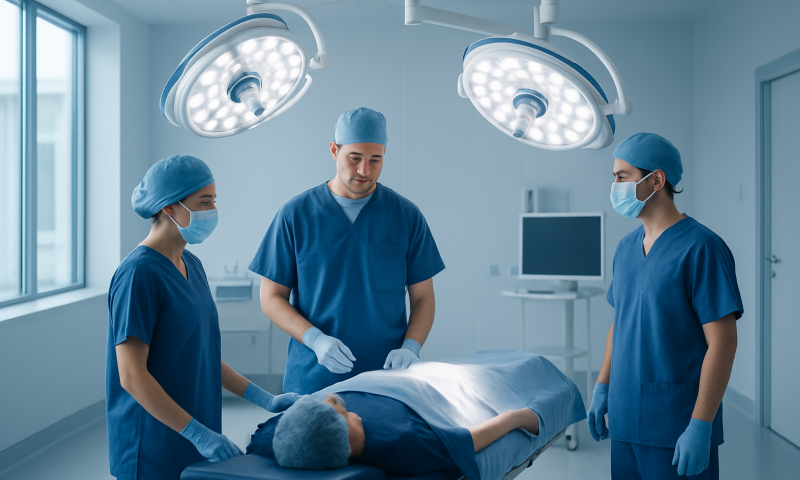
Plastic, reconstructive and aesthetic surgery is the medical unit that restores form and function to the body and refines appearance — covering reconstruction after injury, cancer or illness, as well as aesthetic procedures. At Acıbadem International, this surgery is delivered as a genuine medical specialty within accredited hospitals, with proper assessment, qualified surgeons and honest, realistic guidance, which is an important distinction in a field where standards vary widely. For people travelling from abroad, that medical foundation — combined with the resources of a large hospital group — is what protects both the result and the patient’s safety.
This page explains what the plastic surgery unit covers, the procedures available, how patients are assessed, and how international patients are supported safely before, during and after treatment.
What the unit covers
The unit covers reconstructive surgery, which restores form and function, and aesthetic surgery, which refines appearance, together with the assessment that ensures each procedure is appropriate and safe. Its main areas of work include:
- Reconstructive surgery — after cancer, injury or congenital conditions.
- Breast surgery — including reconstruction after cancer treatment and aesthetic procedures.
- Body contouring — including after significant weight loss.
- Facial procedures — reconstructive and aesthetic.
- Hand and reconstructive microsurgery — in cooperation with related specialties.
- Aesthetic surgery — for patients seeking to refine their appearance.
Whether the goal is to restore what has been lost or to refine appearance, the unit treats it as a medical undertaking that begins with proper assessment and honest discussion.
Reconstructive and aesthetic surgery
Plastic surgery is often misunderstood as being only about appearance, but much of the unit’s work is reconstructive — restoring form and function after cancer, injury or conditions present from birth. Breast reconstruction after cancer treatment, repair after trauma, and correction of congenital differences are central parts of the specialty. Alongside this, aesthetic surgery helps patients who wish to refine their appearance. Both rest on the same foundations: a qualified surgeon, careful assessment, sound technique and realistic expectations. The unit approaches every patient — reconstructive or aesthetic — with the same medical seriousness.
Procedures we offer
The unit offers a broad range of procedures, chosen and planned individually after assessment.
Reconstructive surgery
Reconstruction restores form and function after cancer, injury or congenital conditions. Breast reconstruction after cancer treatment, in coordination with oncology, is an important example, helping patients recover after a difficult journey. Reconstruction after trauma or surgery is planned to restore both appearance and function.
Breast surgery
The unit performs breast reconstruction following cancer treatment as well as aesthetic breast procedures, planned according to the individual’s needs, anatomy and goals after careful discussion.
Body contouring
Body contouring procedures reshape areas of the body, including after significant weight loss — for example following bariatric surgery, where excess skin can remain. These are planned once weight has stabilized and the patient is in good health.
Facial and aesthetic procedures
The unit offers facial reconstructive and aesthetic procedures, and a range of other aesthetic surgery, always preceded by honest assessment of what is appropriate and achievable. Specific procedures can be explored in the treatments library.
Why an accredited hospital setting matters
Plastic surgery, whether reconstructive or aesthetic, is real surgery — it involves anesthesia, carries genuine risks, and requires proper facilities and medical backup. This is why being treated within an accredited hospital group, rather than a standalone cosmetic facility, matters so much. It means qualified surgeons, sterile operating theatres, appropriate anesthesia and monitoring, and the availability of other specialists and intensive care if ever needed. In a field where quality and safety vary enormously between providers, this medical foundation is the most important safeguard — particularly for international patients who cannot easily assess a facility from afar. The unit treats safety as inseparable from the result.
Honest assessment and realistic expectations
Good plastic surgery begins with honesty, and the unit places great importance on realistic expectations. Each patient is assessed individually, and the surgeon discusses openly what a procedure can and cannot achieve, what it involves, and whether it is appropriate for them. Where a procedure is not in the patient’s best interest, the unit will say so. This candid approach protects patients from disappointment and unnecessary surgery, and it is a key difference between a medical specialty and a sales-driven one. Aesthetic goals are taken seriously, but always within an honest discussion of what is achievable and safe.
Technology and approach
Plastic surgery relies on the surgeon’s skill and judgment, supported by modern techniques and a fully equipped surgical environment. The unit uses careful planning, sound surgical technique and — for reconstruction — microsurgical methods where needed, all within accredited hospitals. But the defining principle is that every procedure is treated as a medical undertaking: properly assessed, honestly discussed and safely performed. Whether reconstructive or aesthetic, the aim is a natural, lasting result achieved safely, rather than a quick transformation that compromises wellbeing.
Your team
Your care may involve a plastic, reconstructive and aesthetic surgeon, an anesthesiologist, specialist nurses and, for reconstruction, colleagues from related specialties such as oncology or orthopedics. The surgeons who lead this unit are listed on the doctors page, and procedures are performed across Acıbadem’s accredited hospitals, which maintain international quality and safety standards and provide full medical backup.
The international patient journey
Travelling for plastic surgery requires careful planning, and the unit is organized to make the journey clear and safe for international patients.
1. Remote consultation
You begin by sharing relevant photographs, your medical history and your goals. A surgeon assesses your suitability and the realistic outcome, and you can request a second opinion before deciding. This honest pre-assessment is key to a safe, satisfying result.
2. A clear plan
If you are a suitable candidate, you receive a plan describing the recommended procedure, what it involves, how long you would stay and what recovery to expect. If a procedure is not in your best interest, the unit will say so.
3. Coordinated surgery and care
A dedicated coordinator arranges pre-operative checks, surgery, accommodation, interpreting and travel logistics. Your suitability is confirmed in person before the operation.
4. Recovery and follow-up
You receive aftercare guidance and a follow-up plan to continue at home, and the team remains reachable during recovery. To begin, request an online consultation.
Why patients choose Acıbadem for plastic surgery
Acıbadem International offers qualified plastic and reconstructive surgeons, accredited hospital facilities with full medical backup, honest assessment and realistic expectations, and well-coordinated international patient support — in a field where quality and safety are not guaranteed everywhere. Being treated within a large hospital group means reconstructive expertise, related specialists and intensive care are all available if needed, which sets it apart from standalone cosmetic settings. For patients weighing where to have surgery, that medical foundation protects both the outcome and their wellbeing.
What to expect and practical notes
Plastic surgery procedures vary widely, so the length of stay and recovery differ greatly from case to case, and your coordinator plans your time abroad around safe recovery and travel. Recovery is a process — results develop as healing progresses — and the unit is honest about this so expectations are realistic. Importantly, suitability depends on assessment of the individual and their health, which is why honest evaluation comes first; if a procedure is not appropriate or safe for you, you will be told. Safety and a natural, lasting result are always the priorities.
Coordinated care for reconstruction
Reconstructive surgery often follows treatment for other conditions, and treatment within a large hospital group means care can be coordinated smoothly. Breast reconstruction is planned alongside oncology as part of a patient’s wider cancer journey; reconstruction after injury may involve orthopedics; and body contouring after major weight loss follows bariatric surgery. Having these specialties within one group means a patient’s reconstruction is part of a connected plan rather than an isolated procedure — a meaningful advantage for those whose plastic surgery is part of a longer journey.
Reconstructive versus aesthetic surgery in depth
Although plastic surgery is often associated only with aesthetics, the specialty has deep roots in reconstruction — restoring form and function after cancer, injury or conditions present from birth. Reconstructive surgery can rebuild a breast after cancer treatment, repair damage after an accident, or correct a congenital difference, with the goal of restoring both appearance and the way the body works. Aesthetic surgery, by contrast, refines the appearance of a healthy part of the body at the patient’s wish. The two share the same foundations — a qualified surgeon, careful assessment, sound technique and realistic expectations — and the unit approaches both with equal medical seriousness. Understanding this distinction helps patients see plastic surgery as the broad medical specialty it is, encompassing both the restoration of what has been lost and the refinement of appearance, always built on the same principles of safety and honesty.
Breast reconstruction after cancer
For many women, breast reconstruction is a meaningful part of recovering from breast cancer, helping to restore a sense of wholeness after a difficult journey. The unit performs reconstruction in coordination with oncology, so that it is planned as part of the patient’s wider cancer care rather than as a separate, disconnected step. The approach is individual, depending on the patient’s treatment, anatomy and wishes, and the surgeon discusses the options openly so that the woman can make the choice that is right for her. Being cared for within a large hospital group means this reconstruction is part of a connected plan, with the cancer team and reconstructive surgeons working together. The unit recognizes the emotional significance of this surgery and approaches it with both technical care and sensitivity.
Body contouring and skin after weight loss
Significant weight loss — including after bariatric surgery — is a major achievement, but it can leave excess skin that affects comfort and confidence. Body contouring procedures can address this, reshaping areas of the body once weight has stabilized and the patient is in good health. The unit assesses each patient individually, discusses what the procedures can realistically achieve, and plans treatment safely, taking the patient’s overall health and weight-loss journey into account. Because these patients have often come through a demanding process already, the unit approaches their care with particular attention to safety and realistic expectations. Coordinating this care within the same hospital group that may have performed the weight-loss surgery means the patient’s journey is treated as a connected whole.
Choosing a surgeon and facility wisely
In a field where quality and safety vary enormously, how a patient chooses where to have surgery matters as much as the procedure itself. The most important considerations are the qualifications and experience of the surgeon, the standards of the facility, and whether proper medical backup is available. Standalone cosmetic settings may lack the safeguards that real surgery requires, whereas an accredited hospital provides qualified surgeons, sterile theatres, appropriate anesthesia and the availability of other specialists and intensive care if ever needed. For international patients, who cannot easily inspect a facility from afar, choosing care within a reputable hospital group is the strongest safeguard. The unit encourages patients to weigh these factors carefully — far above price alone — because a poor result or a safety problem can be difficult and costly to put right.
Preparing for surgery and recovery
The period before surgery is used to confirm that a procedure is appropriate and safe, and to prepare the patient. Assessment considers the individual’s health and goals, any other conditions are taken into account, and the patient receives clear information about what the procedure involves and what recovery to expect. For international patients, much of this can begin remotely, with photographs and history reviewed before travel, so that the in-person stay is used efficiently. Recovery is then planned realistically — results develop as healing progresses — with aftercare guidance and a follow-up plan to continue at home. This careful preparation and honest planning are central to a safe, satisfying outcome.
Frequently asked questions
Can my suitability be assessed before I travel?
Yes. You can share relevant photographs, your medical history and your goals for a remote assessment, which helps confirm whether a procedure is appropriate and what result is realistic before you travel.
Why have plastic surgery in a hospital setting?
Plastic surgery is real surgery involving anesthesia and genuine risks. An accredited hospital provides qualified surgeons, proper facilities and medical backup, which is safer than a standalone cosmetic facility.
Do you perform reconstructive as well as aesthetic surgery?
Yes. Much of the unit’s work is reconstructive — after cancer, injury or congenital conditions — alongside aesthetic procedures, both approached with the same medical seriousness.
Can you perform breast reconstruction after cancer?
Yes. Breast reconstruction following cancer treatment is planned in coordination with oncology as part of the patient’s wider care.
Is body contouring after weight loss available?
Yes. Body contouring can address excess skin after significant weight loss, including after bariatric surgery, and is planned once weight has stabilized and you are in good health.
Will the result look natural?
A natural, lasting result is the goal, achieved through careful planning, sound technique and realistic expectations discussed honestly before surgery.
What if a procedure is not right for me?
The unit assesses each patient honestly and will advise against a procedure if it is not appropriate or safe for you, rather than proceeding regardless.
How long will I need to stay in Turkey?
It depends on the procedure and recovery. Your coordinator plans your total time abroad around safe recovery and travel and gives a realistic estimate in advance.
Is the surgery safe?
Performed in an accredited hospital with qualified surgeons, proper facilities and medical backup, plastic surgery is well established. Safety depends on the individual case, which is why honest assessment comes first.
What recovery should I expect?
Recovery is a process and results develop as healing progresses. You receive aftercare guidance and a follow-up plan, and the team remains reachable during your recovery.
Will my other health conditions be considered?
Yes. Because relevant specialists are part of the same hospital group, surgery is planned safely around any other health conditions you have.
Can I get a second opinion before deciding?
Yes. You can request a second opinion as part of your remote consultation, so you can make an informed decision before committing to travel or surgery.
Can I receive support in my own language?
Yes. The international patient coordinator arranges interpreting and supports you through the practical and clinical steps of your care.
Is reconstruction coordinated with my other treatment?
Yes. Reconstruction is planned alongside the relevant specialties — such as oncology or orthopedics — so it is part of a connected plan rather than an isolated procedure.
Are the results of plastic surgery permanent?
Results vary by procedure; some are long-lasting while others may change over time with natural ageing. Your surgeon explains what to expect for your specific procedure.
How visible will any scars be?
Surgeons plan incisions to minimize visible scarring where possible, and your surgeon explains what to expect for your procedure during the honest pre-operative discussion.
Can more than one procedure be combined?
Sometimes, depending on safety and your health. Whether procedures can be combined is decided after assessment, always prioritizing your safety.
Is there a minimum recovery before flying home?
Yes, depending on the procedure. Your team advises on safe timing for travel, and your coordinator plans your stay around it.
Will a companion be supported during my stay?
Yes. The international patient coordinator helps with practical arrangements so a companion can accompany you during surgery and recovery.
How do I know if a procedure is safe for me?
The unit assesses your health and suitability honestly before any procedure and will advise against it if it is not appropriate or safe for you.
Is reconstruction coordinated with my cancer team at home?
Yes. Reconstruction is planned alongside the relevant specialists, and the team can communicate with your own doctors so your care is connected.
Will the surgeon discuss what is realistic before I decide?
Yes. The surgeon discusses openly what a procedure can and cannot achieve, what it involves and whether it is appropriate for you, so that your decision is informed and your expectations realistic.
Why is choosing an accredited hospital so important?
Because plastic surgery is real surgery involving anesthesia and genuine risks. An accredited hospital provides qualified surgeons, sterile facilities and medical backup, which is a far stronger safeguard than a standalone cosmetic setting, especially for international patients.
Can reconstruction restore both appearance and function?
Yes. Reconstructive surgery aims to restore both the appearance and the way the body works after cancer, injury or congenital conditions, planned individually for each patient.
Is body contouring planned around my weight-loss journey?
Yes. Body contouring after significant weight loss is planned once weight has stabilized and you are in good health, taking your overall journey and wellbeing into account.
Will I receive a clear recovery plan?
Yes. You receive aftercare guidance and a follow-up plan to continue at home, with realistic information about how recovery progresses, and the team remains reachable during your recovery.
Does treatment within a hospital group benefit reconstruction?
Yes. Having reconstructive expertise, related specialists and intensive care within one accredited group means reconstruction is part of a connected, safely coordinated plan rather than an isolated procedure.
Will I receive documentation for my own doctor?
Yes. You receive aftercare guidance and clear documentation, and the team can communicate with your own doctors so your care remains connected after you return home.
Can I get an estimate of the visit before I travel?
Yes. After a remote consultation, your coordinator can outline what the recommended procedure would involve, roughly how long you would stay and what recovery to expect, so you can plan your trip with clear and realistic information.
This page provides general health information about the services of this unit and is not a substitute for personal medical advice. Suitability for any procedure is determined after individual assessment by qualified specialists.
Specialists in this Unit

Prof. Dr. Bülent Saçak
Aesthetic Plastic & Reconstructive Surgery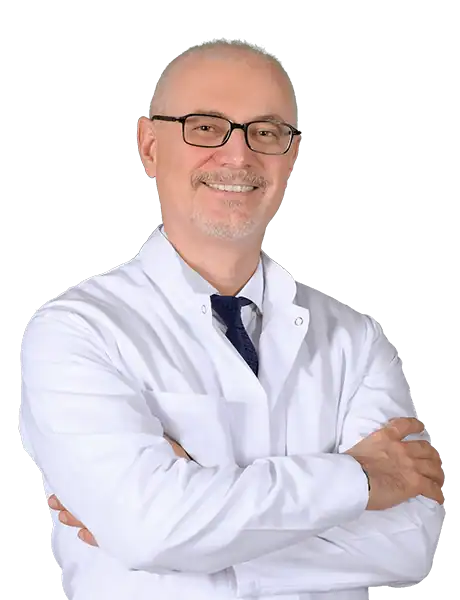
Prof. Dr. Hakan Ağır
Aesthetic Plastic & Reconstructive Surgery
Prof. Dr. Mehmet Veli Karaaltın
Aesthetic Plastic & Reconstructive Surgery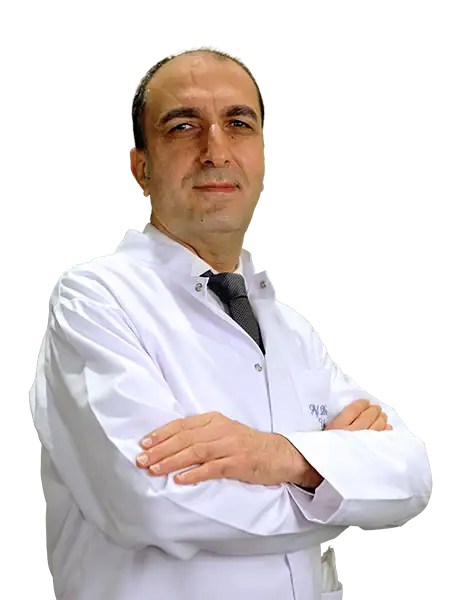
Prof. Dr. Şükrü Yazar
Aesthetic Plastic & Reconstructive Surgery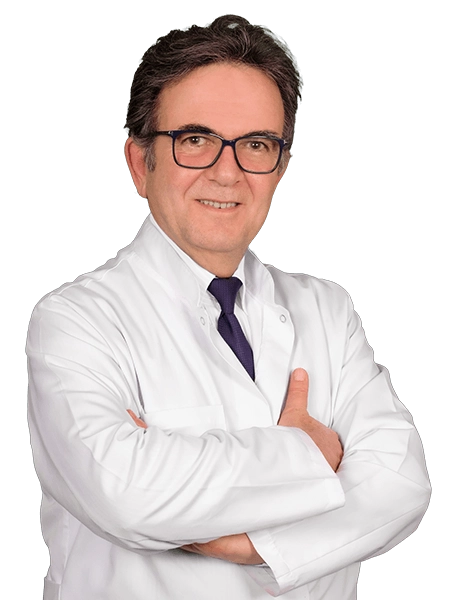
Assoc. Prof. Dr. Ahmet Küçükçelebi
Aesthetic Plastic & Reconstructive Surgery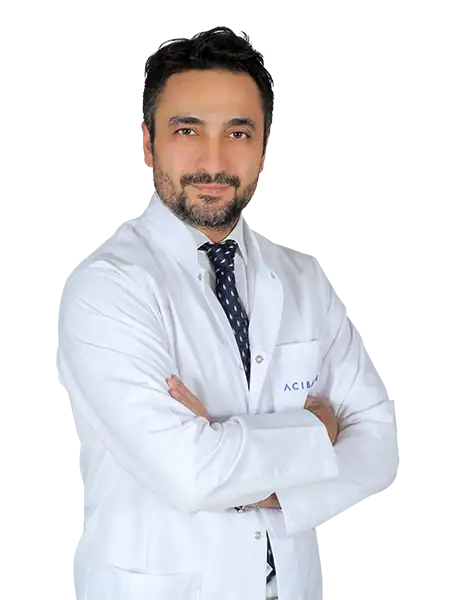
Assoc. Prof. Dr. Mehmet Altiparmak
Aesthetic Plastic & Reconstructive Surgery
Asst. Prof. Dr. Berkhan Yilmaz
Aesthetic Plastic & Reconstructive Surgery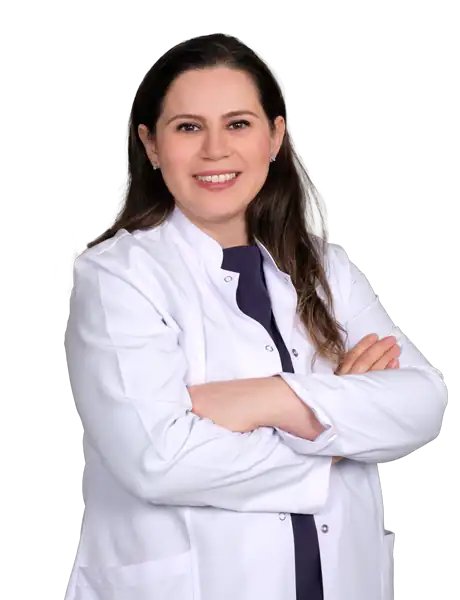
Dr. Ayşe İrem İskenderoğlu
Aesthetic Plastic & Reconstructive Surgery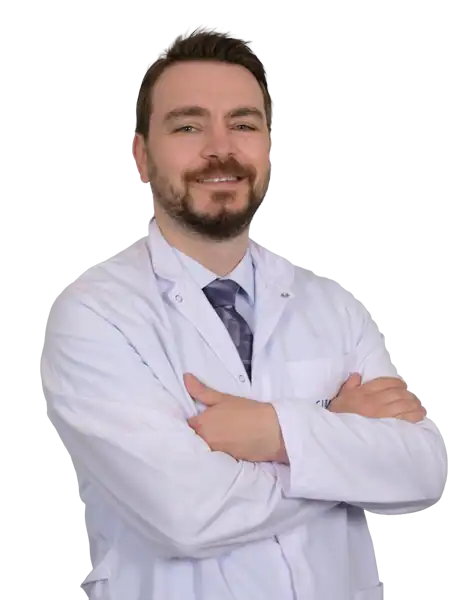
Dr. Burak Sercan Erçin (m) (g)
Plastic, Reconstructive and Aesthetic Surgery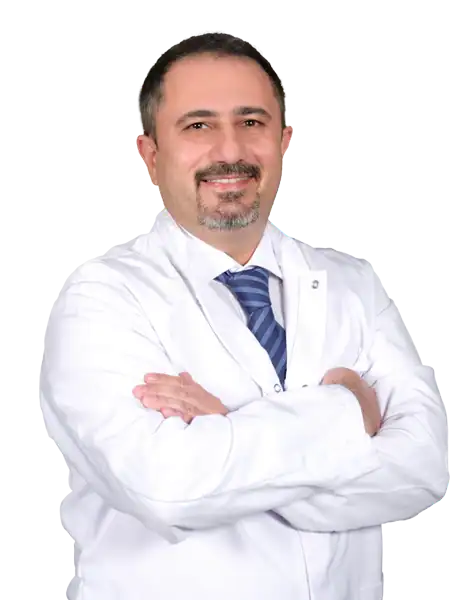
Dr. Cem Öz
Aesthetic Plastic & Reconstructive Surgery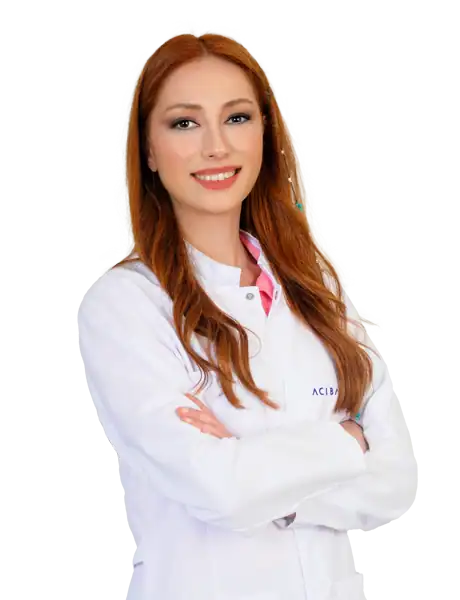
Dr. İlke Karagöz
Aesthetic Plastic & Reconstructive Surgery
Dr. Mahmut Özyilmaz
Aesthetic Plastic & Reconstructive Surgery
Dr. Mehmet Severcan
Aesthetic Plastic & Reconstructive Surgery
Dr. Mithat Ulay
Aesthetic Plastic & Reconstructive Surgery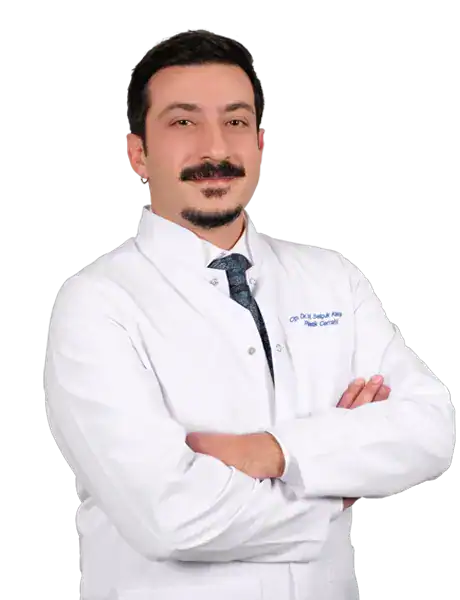
Dr. Münür Selçuk Kendir
Aesthetic Plastic & Reconstructive Surgery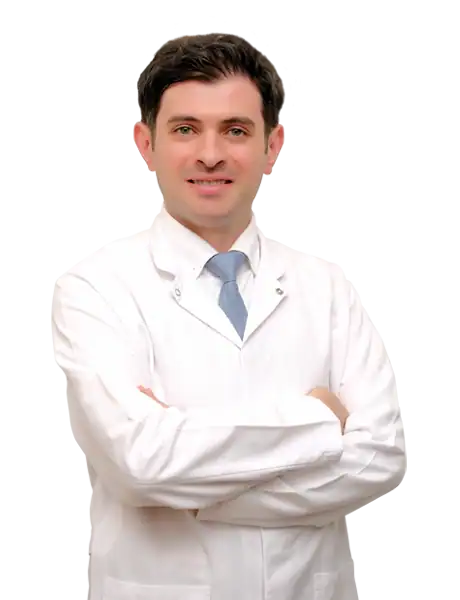
Dr. Mutluhan Temizsoy
Aesthetic Plastic & Reconstructive Surgery
Dr. Nargiz Ibrahimli
Aesthetic Plastic & Reconstructive Surgery
Dr. Nezail Demirciler
Plastic, Reconstructive and Aesthetic Surgery
Dr. Nuri Soysal
Aesthetic Plastic & Reconstructive Surgery
Dr. Okan Acıcbe
Aesthetic Plastic & Reconstructive Surgery
Dr. Ömercan Yağız Öksüz
Aesthetic Plastic & Reconstructive Surgery
Dr. Serkan Tokgönül
Aesthetic Plastic & Reconstructive Surgery
Dr. Uğur Öner
Aesthetic Plastic & Reconstructive Surgery
Ceyhun Cesur
Aesthetic Plastic & Reconstructive SurgerySpeak with our medical team
Share your case and our international patient team will guide you to the right specialist — free of charge.