

Radiology
Advanced imaging and image-guided interventions supporting diagnosis across every specialty.
Medically reviewed by the Acıbadem clinical team — June 12, 2026
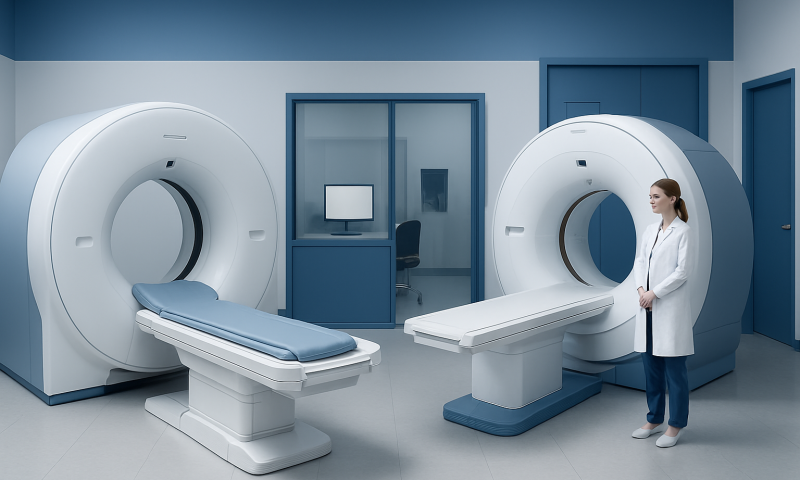
Radiology is the medical unit that uses imaging — such as X-ray, ultrasound, CT and MRI — to see inside the body, diagnose conditions, and guide treatment. It is one of the foundations of modern medicine: almost every diagnosis and treatment plan depends on accurate imaging, and on expert radiologists to interpret it. At Acıbadem International, radiology supports every specialty across a large hospital group, providing the precise images and expert interpretation that good care depends on. For people travelling from abroad, that combination of advanced imaging technology and experienced radiologists, integrated with the whole hospital, is what underpins accurate diagnosis and well-planned treatment.
This page explains what the radiology unit covers, how imaging supports care, the techniques available, how it works for patients, and how international patients are supported.
What the radiology unit covers
Radiology provides imaging and image interpretation across the whole of medicine, and the unit offers a comprehensive range. Its main areas of work include:
- Diagnostic imaging — X-ray, ultrasound, CT, MRI and other techniques.
- Expert image interpretation — by experienced radiologists.
- Imaging to support diagnosis — across every specialty.
- Imaging to guide treatment and procedures.
- Interventional radiology — minimally invasive procedures guided by imaging.
- Cancer imaging — to detect, stage and monitor cancers.
Because imaging is central to almost all care, radiology supports every specialty across the hospital group — from cardiology and surgery to oncology — and works closely with nuclear medicine for certain types of imaging.
How imaging supports care
Almost every aspect of modern medicine depends on imaging, and the unit’s role is woven through the whole hospital. Imaging is used to:
- Diagnose conditions — seeing inside the body to identify what is wrong.
- Plan treatment — providing the detailed information surgeons and specialists need.
- Guide procedures — directing minimally invasive treatments precisely.
- Monitor conditions — tracking how a condition or treatment is progressing.
The quality of imaging and the expertise of the radiologist interpreting it directly affect the accuracy of diagnosis and the success of treatment, which is why radiology is so fundamental. For international patients, existing imaging can often be reviewed remotely, and further imaging arranged efficiently as part of their care.
Imaging techniques
The unit provides a comprehensive range of imaging techniques, each suited to particular purposes.
X-ray and ultrasound
X-ray provides quick imaging of bones and certain other structures, while ultrasound uses sound waves to image organs and soft tissues safely and without radiation, useful in many situations including pregnancy.
CT scanning
CT provides detailed cross-sectional images of the body, valuable for assessing many conditions, including injuries, and for detailed treatment planning.
MRI
MRI provides highly detailed images of soft tissues, the brain, the spine and other structures without radiation, and is central to many diagnoses.
Interventional radiology
Using imaging to guide them, interventional radiologists can perform minimally invasive procedures — treating certain conditions through tiny openings rather than surgery. Specific procedures can be explored in the treatments library.
The radiologist behind the image
A common misconception is that imaging is simply a matter of taking a picture, but the real value lies in expert interpretation. A scan is only as useful as the radiologist who reads it, and experienced radiologists bring the knowledge and judgment to identify subtle findings, distinguish significant from insignificant, and provide the accurate interpretation on which diagnosis and treatment depend. At Acıbadem International, advanced imaging technology is matched by experienced radiologists, and complex cases are often discussed with the treating specialists and, for cancers, the tumor board. This expertise behind the image is what turns a picture into a meaningful diagnosis, and it is just as important as the technology itself.
Imaging as the foundation of accurate diagnosis
Accurate diagnosis is the foundation of all good treatment, and imaging is central to reaching it. A precise scan, expertly interpreted, can reveal exactly what is wrong, where it is, and how extensive it is — information that shapes the entire treatment plan. This is why radiology is so fundamental across medicine: from identifying a tumor and planning its treatment, to assessing an injury, to guiding a surgeon’s approach. The unit’s commitment to high-quality imaging and expert interpretation directly supports the accuracy of diagnosis across every specialty. For patients, this means their treatment is built on a solid foundation of accurate information, which is one of the most important factors in good care.
Interventional radiology: treatment through imaging
Beyond diagnosis, radiology also treats. Interventional radiology uses imaging to guide minimally invasive procedures, allowing certain conditions to be treated through tiny openings rather than open surgery. Guided by precise imaging, interventional radiologists can reach and treat areas inside the body with remarkable accuracy, often with less disruption and a quicker recovery than surgery. These techniques are used where they are appropriate, as part of choosing the best treatment for the patient. The unit’s interventional capability adds another dimension to radiology — not just seeing inside the body to diagnose, but using that same precise imaging to treat — which is a valuable part of modern, minimally invasive care.
Technology and approach
Radiology combines advanced imaging technology with the expertise of experienced radiologists. The unit uses a comprehensive range of imaging techniques — X-ray, ultrasound, CT, MRI and interventional methods — chosen to suit each situation, and matched by expert interpretation. But the defining feature is the combination of technology and judgment: a precise image is only as valuable as the radiologist who interprets it and the way it is integrated into the patient’s care. Working across the whole hospital group, radiology supports accurate diagnosis and well-planned treatment in every specialty.
Your team
Your imaging is performed by skilled radiographers and interpreted by experienced radiologists, who work closely with the treating specialists across the hospital group. The radiologists and the specialists they support are listed on the doctors page, and imaging is provided across Acıbadem’s accredited hospitals, which maintain international quality and safety standards, supported by the hospital group’s medical technologies.
The international patient journey
The unit is organized to make imaging clear and well integrated for international patients.
1. Remote review of existing imaging
You can share existing imaging for review by an experienced radiologist, which often forms part of a remote assessment and a second opinion before you decide to travel.
2. A clear plan
If further imaging is needed, you receive a plan explaining what is recommended and why, and how it fits into your overall assessment and treatment.
3. Efficient, integrated imaging
A dedicated coordinator arranges your imaging, interpreting and logistics, with imaging integrated into your care so that results inform your treatment promptly.
4. Results and onward care
Your imaging is interpreted by experienced radiologists and shared with the treating specialists, so that diagnosis and treatment proceed on accurate information. To begin, request an online consultation.
Why patients benefit from Acıbadem radiology
Acıbadem International offers advanced imaging technology, experienced radiologists, interventional capability, and integration with every specialty across a large hospital group. For patients, the combination of precise imaging and expert interpretation, woven into their overall care, is what underpins accurate diagnosis and well-planned treatment. Whether supporting a diagnosis, planning surgery or guiding a procedure, the unit provides the accurate information on which good care depends, with the depth of a leading medical system behind it.
What to expect and practical notes
Imaging is usually quick and, for most techniques, straightforward and painless, and the unit chooses the right technique for the situation. The real value comes from expert interpretation, so your imaging is read by experienced radiologists and integrated into your care. For international patients, existing imaging can often be reviewed remotely as part of a second opinion, and any further imaging is arranged efficiently. Throughout, imaging serves your diagnosis and treatment, providing the accurate information your specialists need to plan the best care.
Radiology across the hospital group
Radiology supports every specialty, and being part of a large hospital group means imaging is fully integrated into care. It supports diagnosis and treatment planning for cardiology, surgery, oncology and every other field; it works with nuclear medicine for certain imaging; and for cancers, imaging is central to the tumor board’s decisions. This integration means a patient’s imaging is not an isolated test but a fundamental part of their coordinated care, informing diagnosis and treatment across specialties. For patients, this woven-in role of radiology is one of the quiet but essential strengths of a leading hospital group.
Common imaging examinations explained
Radiology offers a range of imaging examinations, each suited to particular questions, and understanding them helps patients know what to expect. X-rays give a quick view of bones and some other structures; ultrasound uses sound waves to examine organs and soft tissues without radiation; CT provides detailed cross-sectional images, valuable for many conditions; and MRI uses magnetic fields to produce highly detailed images of soft tissues, the brain and the spine. Each has its strengths, and the unit selects the examination that will best answer the clinical question, sometimes combining more than one. The choice is made thoughtfully, considering what information is needed and the most appropriate way to obtain it. This careful selection — using the right test for the right question — is part of good radiology, ensuring that imaging provides genuinely useful information while avoiding unnecessary examinations.
What to expect during a scan
Many patients feel uncertain about what an imaging examination involves, and the unit aims to make the experience as straightforward and comfortable as possible. Most examinations are painless and, depending on the type, take from a few minutes to longer for more detailed scans. Some examinations require simple preparation, which the unit explains in advance. The radiology team guides patients through the process, explaining what will happen and answering questions, so that patients feel at ease. For those who feel anxious, particularly in enclosed scanners, the team provides support and reassurance. This attention to the patient experience — alongside the technical quality of the imaging — reflects the understanding that an imaging examination should be not only accurate but also a comfortable and clearly explained experience for the patient.
A second opinion on your imaging
Imaging is open to interpretation, and the expertise of the radiologist who reads a scan makes a real difference, which is why a second opinion on imaging can be valuable. Patients who have had imaging elsewhere can have it reviewed by the unit’s radiologists, who bring specialist expertise and the context of the wider hospital group. This review can confirm a finding, offer a different perspective, or clarify an uncertain result, and it can be done from images shared remotely before any travel. For international patients facing an important decision based on a scan, this expert second look can provide valuable reassurance or a clearer picture. It reflects the unit’s recognition that, in radiology, the interpretation is as important as the image itself, and that a careful expert reading is central to accurate diagnosis.
Frequently asked questions
Can my existing imaging be reviewed before I travel?
Yes. You can share existing imaging for review by an experienced radiologist, which often forms part of a remote assessment and second opinion before you decide to travel.
Why does the radiologist matter as much as the scan?
A scan is only as useful as the radiologist who interprets it. Experienced radiologists identify subtle findings and provide the accurate interpretation on which diagnosis and treatment depend, so expertise is as important as the technology.
What imaging techniques are available?
The unit provides a comprehensive range, including X-ray, ultrasound, CT and MRI, as well as interventional radiology, chosen to suit each situation.
What is the difference between CT and MRI?
CT provides detailed cross-sectional images and is valuable for many conditions and injuries, while MRI provides highly detailed images of soft tissues, the brain and spine without radiation. The right one depends on what needs to be assessed.
What is interventional radiology?
Interventional radiology uses imaging to guide minimally invasive procedures, allowing certain conditions to be treated through tiny openings rather than open surgery, often with a quicker recovery.
Is imaging safe?
Imaging techniques are used appropriately and safely, with ultrasound and MRI using no radiation. The unit chooses the right technique for the situation, balancing the information needed with the most appropriate method.
How does imaging support my treatment?
Imaging is used to diagnose conditions, plan treatment, guide procedures and monitor progress, providing the accurate information that surgeons and specialists need to plan and deliver the best care.
Will my imaging be integrated into my care?
Yes. Imaging is interpreted by experienced radiologists and shared with the treating specialists across the hospital group, so it informs your diagnosis and treatment rather than being an isolated test.
Can I get a second opinion on existing imaging?
Yes. Existing imaging can be reviewed by an experienced radiologist as part of a second opinion, which can be done remotely before you travel.
How quickly will imaging be done?
Imaging is usually quick and, for most techniques, straightforward, and your coordinator arranges it efficiently so that results inform your care promptly.
Is the equipment modern and accredited?
Yes. Imaging is provided in accredited hospitals using advanced technology, with expert interpretation, as part of the diagnostic capability of a large hospital group.
Does radiology support cancer care?
Yes. Imaging is central to detecting, staging and monitoring cancers, and is a key part of the tumor board’s decisions alongside the cancer team.
Can I receive care in my own language?
Yes. The international patient coordinator arranges interpreting and supports you through the practical steps of your imaging and care.
Will I be told what my imaging shows?
Yes. Your imaging is interpreted by experienced radiologists and the findings are shared as part of your care, so your diagnosis and treatment proceed on accurate information explained to you.
Does imaging support every specialty?
Yes. Radiology supports diagnosis and treatment planning across every specialty in the hospital group, which is why it is one of the foundations of modern medicine.
Can my imaging be reviewed before I travel?
Yes. Imaging done elsewhere can be reviewed by the unit’s radiologists from images shared remotely, providing a second opinion or clearer picture before you decide on any treatment or travel.
Which imaging test will I need?
The unit selects the examination — such as X-ray, ultrasound, CT or MRI — that will best answer the clinical question, sometimes combining more than one, choosing the right test rather than unnecessary scans.
Is imaging painful?
Most imaging examinations are painless, and depending on the type take from a few minutes to longer for detailed scans. The team explains what will happen and supports you throughout.
Why does the radiologist matter?
Imaging is open to interpretation, and the expertise of the radiologist who reads a scan makes a real difference to accurate diagnosis, which is why a careful expert reading is so important.
Can I get a second opinion on a scan?
Yes. The unit’s radiologists can review imaging done elsewhere, confirming a finding, offering a different perspective, or clarifying an uncertain result, which can be valuable before an important decision.
Does radiology support other specialties?
Yes. Accurate imaging underpins diagnosis and treatment across the hospital group, from oncology and neurology to cardiology, and findings are interpreted as part of the wider clinical picture.
Is interventional radiology available?
Yes. Interventional radiology uses imaging to guide minimally invasive treatments through tiny incisions, treating certain conditions precisely with a gentler recovery than open surgery.
Can I receive care in my own language?
Yes. The international patient coordinator arranges interpreting and supports you through your imaging and the explanation of the findings, so you understand the results clearly.
How soon can imaging be arranged or reviewed?
Imaging done elsewhere can be reviewed remotely before any travel, and where examinations are needed in person, the coordinator arranges them efficiently. Acıbadem International hospitals operate around the clock, so more urgent imaging can be prioritized when needed.
Will a companion be supported during my visit?
Yes. The international patient coordinator helps with practical arrangements so a companion can accompany you during your imaging, which can be reassuring, particularly for those who feel anxious about scans.
Will the findings be explained to me?
Yes. The findings are interpreted by expert radiologists and explained as part of your wider clinical picture, so that an imaging examination provides clear, useful information rather than an uncertain result.
Can I receive care in my own language?
Yes. The international patient coordinator arranges interpreting and supports you through your imaging and the explanation of the findings, so you understand the results clearly throughout.
Does accurate imaging support treatment across specialties?
Yes. Accurate imaging is the foundation of diagnosis and treatment throughout the hospital group, from oncology and neurology to cardiology and surgery, and the unit’s radiologists interpret findings as part of the wider clinical picture so that care is guided by reliable information.
Will I receive my images and report to take home?
Yes. You receive your imaging and a clear report, which you can share with your own doctor, so that the findings inform your ongoing care wherever it continues.
Will the right examination be chosen for my situation?
Yes. The unit selects the imaging examination that will best answer the clinical question, sometimes combining more than one, choosing the most appropriate test rather than unnecessary scans, so that imaging provides genuinely useful information for your care.
Can imaging support an urgent situation?
Yes. Acıbadem International hospitals operate around the clock, so more urgent imaging can be prioritized, and findings can be interpreted quickly by expert radiologists to guide prompt decisions about your care when time matters.
Will a companion be supported during my imaging visit?
Yes. The international patient coordinator helps with practical arrangements so that a companion can accompany you during your imaging, which can be reassuring, particularly for those who feel anxious about scans or enclosed scanners.
This page provides general health information about the services of this unit and is not a substitute for personal medical advice. The appropriate imaging for each person is determined after individual assessment by qualified specialists.
Specialists in this Unit

Prof. Dr. Alp Dinçer
Radiology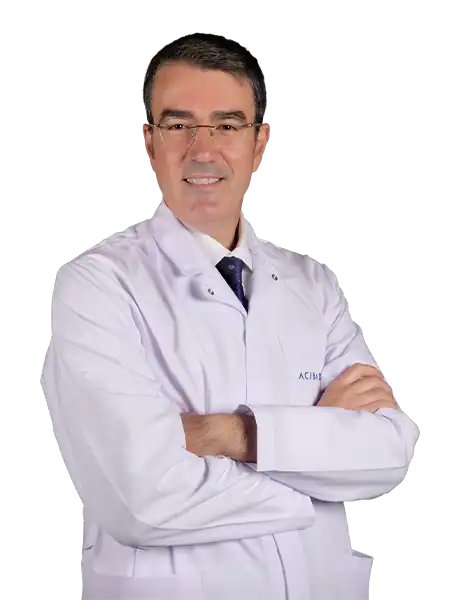
Prof. Dr. Bora Peynircioğlu
Interventional Radiology
Prof. Dr. Çınar Başekim
Radiology
Assoc. Prof. Dr. Ali Harman
Interventional Radiology
Assoc. Prof. Dr. Deniz Can Aliş
Radiology
Assoc. Prof. Dr. Dilek Hacer Çeşme
Radiology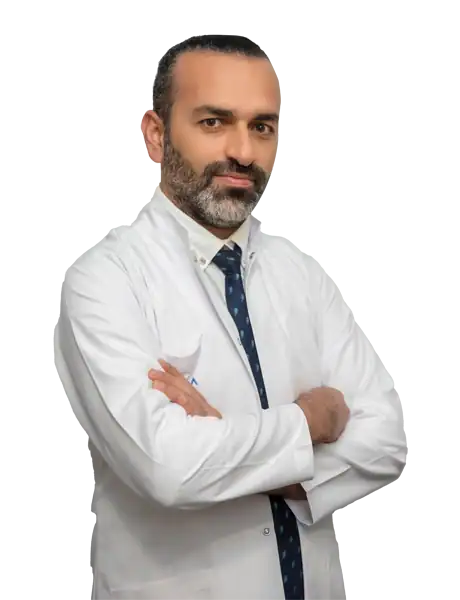
Dr. Abdurrahman Gölbaşı
Radiology
Dr. Ali Alper Yüksel
Radiology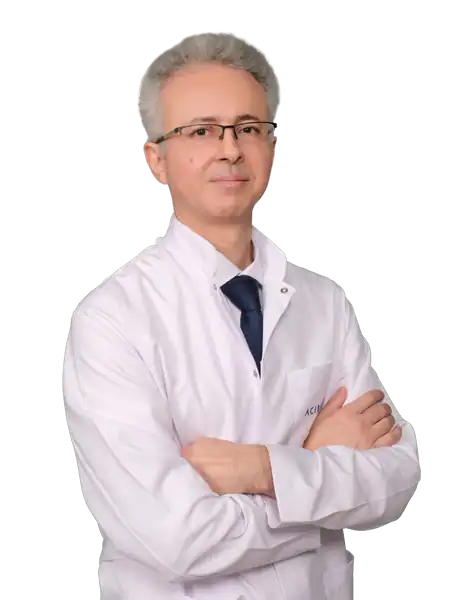
Dr. Ali Elibol
Radiology
Dr. Ali Şenol Çelebi
Radiology
Dr. Ali Türk
RadiologyDr. Arif Ortakçı
Radiology
Dr. Atilla Aslan
Radiology
Dr. Atilla Damlacık
RadiologyDr. Ayten Pashazade
Radiology
Dr. Bahar Anayurdu
Radiology
Dr. Başak Kumbasar
Radiology
Dr. Belgin Karaca
Radiology
Dr. Bilal Arık
Radiology
Dr. Bilge Çakar Demir
Radiology
Dr. Birgül Çabuk
Radiology
Dr. Bülent Özşeker
Radiology
Dr. Cem Burak Kalaycı
Radiology
Dr. Cihangir Görgülü
RadiologyMedical Technologies Used
Speak with our medical team
Share your case and our international patient team will guide you to the right specialist — free of charge.