

Dermatology
Medical and cosmetic care for the skin, hair and nails.
Medically reviewed by the Acıbadem clinical team — June 12, 2026
Dermatology is the medical unit that diagnoses and treats conditions of the skin, hair and nails — from common complaints such as acne, eczema and psoriasis to skin cancer and complex skin disease. At Acıbadem International, dermatology combines accurate diagnosis and modern medical treatment with the resources of a large hospital group, working with related specialties when skin conditions connect to wider health or require surgery. For people travelling from abroad, that combination of expert diagnosis, effective treatment and coordinated care — including careful attention to skin cancer — is what makes dermatological care both thorough and reassuring.
This page explains what the dermatology unit covers, the conditions it treats, how skin problems are assessed, the treatments available, and how international patients are supported through diagnosis, treatment and follow-up.
What the dermatology unit covers
Dermatology is broad, and the unit is organized so that the right expertise is applied to each condition. Its main areas of work include:
- General dermatology — diagnosis and treatment of common and complex skin conditions.
- Skin cancer detection and treatment — including assessment of moles and skin lesions.
- Inflammatory skin disease — such as eczema and psoriasis.
- Acne and related conditions.
- Hair and nail conditions — including medical assessment of hair loss.
- Procedural and cosmetic dermatology — where appropriate.
Because skin conditions can sometimes reflect or connect to wider health, and some require surgery, the unit works with related specialties — including plastic surgery and, for skin cancers, the cancer team — so that care is complete.
Conditions we treat
The unit cares for the full range of skin, hair and nail conditions. Common reasons international patients are referred include:
- Acne — including persistent or severe cases.
- Eczema and dermatitis.
- Psoriasis.
- Moles, skin lesions and skin cancer.
- Hair loss — with medical assessment of the cause.
- Nail conditions and skin infections.
- Other chronic and complex skin diseases.
Many patients arrive with a skin condition that has affected their comfort or confidence, or with a concern about a mole or lesion. The unit’s first task is to assess accurately — diagnosis is central in dermatology — and explain the realistic options clearly.
How conditions are diagnosed
Accurate diagnosis is the foundation of dermatological care, because skin conditions can look similar yet need very different treatment. The unit assesses each patient carefully, which may involve:
- Detailed skin examination — including examination of moles and lesions.
- Dermoscopy — close examination of skin lesions to assess them more precisely.
- Skin biopsy — where a sample is needed to confirm a diagnosis.
- Laboratory and other tests — where relevant to the condition.
These are supported by the hospital group’s diagnostic services, and findings are interpreted alongside the patient’s history and symptoms. For international patients, an initial review can often begin from photographs and history shared remotely, though many skin conditions need in-person examination to assess fully.
Treatments and approaches
The unit offers a full range of treatment, tailored to the condition and the individual.
Medical treatment of skin conditions
Conditions such as acne, eczema and psoriasis are managed with medical treatments tailored to their severity and the individual, with care adjusted over time for long-term conditions. Modern treatments can make a significant difference to conditions that affect both comfort and confidence.
Skin cancer detection and treatment
The unit assesses moles and lesions carefully, and where skin cancer is found or suspected, it is treated promptly. Treatment may involve removal and, for more advanced cases, a multidisciplinary plan alongside oncology and, where reconstruction is needed, plastic surgery. Early detection is central to good outcomes.
Procedural dermatology
The unit performs procedures to remove or treat skin lesions and address a range of skin conditions, using appropriate techniques. Specific treatments can be explored in the treatments library.
Hair and nail conditions
Hair loss is assessed medically to understand its cause, with advice on appropriate treatment — and, where a transplant may be considered, coordination with hair restoration. Nail conditions and skin infections are also diagnosed and treated.
The importance of skin cancer awareness
One of the most important roles of dermatology is the detection and treatment of skin cancer, where early diagnosis makes a profound difference. The unit assesses moles and skin lesions carefully, using close examination and, where needed, biopsy to reach an accurate diagnosis. Changes in a mole or a new or unusual lesion deserve assessment, and the unit encourages patients not to delay. Where skin cancer is found, prompt treatment — and, for more advanced cases, a coordinated multidisciplinary plan — gives the best chance of a good outcome. This emphasis on early detection reflects a wider principle: that protecting health is as important as treating problems once they have developed.
Caring for long-term skin conditions
Many skin conditions — including eczema, psoriasis and persistent acne — are long-term and need ongoing, attentive management rather than a single treatment. These conditions can significantly affect comfort, sleep and confidence, and the unit takes their impact seriously. Treatment is tailored to the individual and adjusted over time as the condition changes, with the aim of controlling symptoms and improving quality of life. For international patients, the unit provides a clear plan that can be continued with care at home, so that long-term conditions are managed consistently. This ongoing perspective reflects the understanding that good dermatological care is often about steady, effective management.
The link between skin and overall health
The skin can reflect wider health, and some skin conditions are connected to other medical conditions or are affected by them. The unit recognizes these connections, and because it is part of a large hospital group, related specialties are available where a skin condition connects to broader health. This means a patient’s skin care can be informed by their overall health rather than treated in isolation — an integrated view that is part of caring for the patient as a whole, and that matters when a skin condition is linked to a wider medical issue.
Technology and approach
Dermatology relies on expert clinical assessment supported by appropriate diagnostic tools. The unit uses detailed examination, dermoscopy and, where needed, biopsy to reach an accurate diagnosis — often the most important step — and modern treatments to manage conditions effectively. But technology serves judgment: an experienced dermatologist’s assessment remains central, and care is coordinated with related specialties where conditions connect to wider health or require surgery. This combination of skilled assessment, accurate diagnosis and coordinated care is what underpins good dermatological outcomes.
Your team
Your care may involve a dermatologist with the relevant focus, and — for complex cases — oncology, plastic surgery and other specialists, supported by specialist nurses. The physicians who lead this unit are listed on the doctors page, and care is delivered across Acıbadem’s accredited hospitals, which maintain international quality and safety standards.
The international patient journey
The unit is organized to make skin care clear and well supported for international patients.
1. Remote review
You begin by sharing your history, symptoms and, where helpful, photographs. The team reviews them, advises on the likely options, and where helpful offers a second opinion — though many skin conditions need in-person examination to assess fully.
2. A clear plan
If treatment in Turkey makes sense, you receive a plan explaining what is recommended, what it would involve, how long you would stay and what to expect. The plan makes clear what will be confirmed on in-person examination.
3. Coordinated care
A dedicated coordinator arranges appointments, interpreting and travel logistics. Your skin is examined in detail in person, and the plan is confirmed before treatment.
4. Follow-up
You receive clear documentation and a follow-up plan to continue at home, which matters for long-term conditions, and the team remains reachable for questions. To begin, request an online consultation.
Why patients choose Acıbadem for skin care
Acıbadem International offers experienced dermatologists, accurate diagnosis including careful skin-cancer assessment, modern treatment for a full range of skin conditions, and well-coordinated international patient support — all within accredited hospitals. For patients travelling from abroad, the combination of expert diagnosis, effective treatment, and the resources of a large hospital group for conditions that connect to wider health or require surgery is what sets the experience apart. The unit cares for the skin, hair and nails thoroughly, with the depth of a leading medical system behind it.
What to expect and practical notes
Skin conditions and their treatments vary widely, so care and any length of stay differ from case to case. Some conditions are assessed and treated quite quickly, while long-term or complex conditions need ongoing management. Importantly, many skin conditions need in-person examination to diagnose fully, so while an initial review can often begin from photographs, the plan is confirmed after the skin is examined in person. The unit is honest about what treatment can realistically achieve, and reaching an accurate diagnosis is always the priority.
Coordinated care for complex conditions
Skin conditions sometimes intersect with other areas of medicine, and treatment within a large hospital group means the right experts are on hand. Skin cancers are planned with medical oncology; where reconstruction is needed, plastic surgery is involved; and hair loss that may be suited to a transplant is coordinated with hair restoration. For patients whose skin condition connects to wider health, the relevant specialists are available within the same group. This joined-up approach means a patient’s skin care is part of a connected plan, which matters most in complex cases.
Understanding acne and its treatment
Acne is one of the most common skin conditions, affecting people of different ages, and while it is sometimes dismissed as trivial, it can have a real impact on confidence and, if severe, can lead to lasting scarring. The unit takes acne seriously, assessing its type and severity and tailoring treatment accordingly. Modern treatments can make a significant difference, and the right approach depends on the individual — what works well for mild acne differs from what is needed for persistent or severe cases. The unit explains the options honestly, including how long treatment may take to show results, since patience and consistency are often part of successful acne care. By treating acne properly and early where it is severe, the unit aims not only to clear the skin but to prevent the scarring and distress that untreated acne can cause, recognizing that effective treatment can be genuinely life-changing for those affected.
Living with eczema and psoriasis
Eczema and psoriasis are long-term inflammatory skin conditions that can significantly affect comfort, sleep and confidence, and they need attentive, ongoing management rather than a single fix. Both can fluctuate over time, with flares and calmer periods, and good care aims to control the condition, ease symptoms and improve quality of life. The unit assesses these conditions carefully and manages them with modern treatments tailored to their severity and the individual, adjusting care as the condition changes. The impact of these conditions on daily life is taken seriously, because itching, discomfort and visible skin changes can be distressing. For international patients, the unit provides a clear plan that can be continued with care at home, so that these long-term conditions are managed consistently. Effective management can make a substantial difference to how comfortably and confidently a person lives.
Checking your skin and when to seek help
Being aware of your skin and seeking assessment for anything unusual is one of the most valuable things a person can do, particularly when it comes to detecting skin cancer early. A new growth, a sore that does not heal, or a mole that changes in size, shape or colour all deserve assessment, and the unit encourages patients not to delay over such concerns. A careful examination — using close inspection and, where needed, dermoscopy or a biopsy — allows the unit to assess a lesion accurately and to act promptly if treatment is needed. Early detection makes a profound difference to outcomes in skin cancer, which is why this awareness matters so much. The unit reassures patients that many skin changes are harmless, while ensuring that anything that needs attention is identified and dealt with quickly, striking the balance between reassurance and vigilance.
Procedures for skin lesions and conditions
Alongside medical treatment, the unit performs procedures to remove or treat skin lesions and to address a range of skin conditions. Where a mole or lesion needs to be removed — whether because it is suspicious, troublesome or for diagnosis — this is done using appropriate techniques, with any removed tissue assessed as needed. The unit explains what a procedure involves and what to expect afterwards, and where a lesion is more extensive or reconstruction is required, care is coordinated with plastic surgery. These procedures are carried out within the safe environment of an accredited hospital group, which is reassuring for patients, and they form part of the unit’s comprehensive approach to skin care — combining accurate diagnosis, medical treatment and procedural expertise within one coordinated service.
Frequently asked questions
Can my skin condition be reviewed before I travel?
An initial review can often begin from your history, symptoms and photographs, including a second opinion where helpful. However, many skin conditions need in-person examination to assess fully, so the plan is usually confirmed on arrival.
Why is accurate diagnosis so important in dermatology?
Skin conditions can look similar yet need very different treatment, so reaching an accurate diagnosis — through examination and, where needed, biopsy — is the foundation of effective care.
Can you treat acne, eczema and psoriasis?
Yes. These common conditions are managed with modern medical treatments tailored to their severity and the individual, with care adjusted over time for long-term conditions.
How is a suspicious mole assessed?
Moles and lesions are examined carefully, including with dermoscopy and, where needed, biopsy, to reach an accurate diagnosis. Changes in a mole or a new, unusual lesion deserve prompt assessment.
How is skin cancer treated?
Where skin cancer is found, it is treated promptly, which may involve removal and, for more advanced cases, a multidisciplinary plan alongside oncology and, where reconstruction is needed, plastic surgery.
Can you assess hair loss?
Yes. Hair loss is assessed medically to understand its cause, with advice on appropriate treatment and, where a transplant may be considered, coordination with the hair restoration unit.
Do you treat long-term skin conditions over time?
Yes. Long-term conditions such as eczema and psoriasis are managed over time, with treatment adjusted as the condition changes and a clear plan to continue at home.
How long will I need to stay in Turkey?
It depends on the condition. Some are assessed and treated quite quickly, while complex or long-term conditions need more involved care. Your coordinator gives a realistic estimate in advance.
Will the plan be confirmed on in-person examination?
Often, yes. Because many skin conditions need in-person examination to diagnose fully, the plan is usually confirmed after your skin is examined, with the likely plan discussed remotely beforehand.
Can I get a second opinion on my diagnosis or treatment?
Yes. The unit can review your case and provide an honest second opinion, though in-person examination may be needed to assess some conditions fully.
Will my overall health be taken into account?
Yes. Because relevant specialists are part of the same hospital group, your skin care can be informed by your overall health where a condition connects to wider health.
Is procedural treatment for skin lesions available?
Yes. The unit performs procedures to remove or treat skin lesions and address a range of conditions, using appropriate techniques.
How soon can an urgent skin concern be seen?
Acıbadem International hospitals operate around the clock, and more urgent skin concerns, including suspicious lesions, can be prioritized. Sharing your details allows the team to advise on how quickly you should be seen.
Can I receive care in my own language?
Yes. The international patient coordinator arranges interpreting and supports you through the practical and clinical steps of your care.
What follow-up will I receive?
You receive clear documentation and a follow-up plan to continue at home, and the team remains reachable for questions, which matters particularly for long-term skin conditions.
Will a companion be supported during my visit?
Yes. The international patient coordinator helps with practical arrangements so that a companion can accompany you during your care.
Can the wider hospital group support my skin care?
Yes. Where a skin condition connects to wider health or requires surgery, related specialists are available within the same hospital group, so your skin care can be informed by your overall health.
Will my long-term skin condition be supported after I return home?
Yes. For long-term conditions such as eczema and psoriasis, the unit provides a clear plan and follow-up so that care can continue consistently at home, and the team remains reachable for questions.
How quickly can a suspicious lesion be assessed?
Acıbadem International hospitals operate around the clock, and suspicious lesions can be prioritized. The unit encourages patients not to delay, since early assessment makes a profound difference in skin cancer.
Can I get clear guidance on caring for my skin?
Yes. Alongside treatment, the unit provides clear guidance on managing your condition and protecting your skin, reflecting its emphasis on long-term skin health as well as treating problems that have developed.
Can I receive skin care in my own language?
Yes. The international patient coordinator arranges interpreting and supports you through every practical and clinical step of your care, from the initial review through examination and treatment to your follow-up, so that you understand each stage clearly.
Will my treatment be tailored to my skin and condition?
Yes. Skin conditions can look similar yet need very different treatment, so the unit tailors care to your specific condition, its severity and your skin, adjusting treatment over time for long-term conditions rather than applying a single standard approach.
This page provides general health information about the services of this unit and is not a substitute for personal medical advice. Any diagnosis and treatment plan is determined after individual assessment by a qualified physician.
Specialists in this Unit

Prof. Dr. Andaç Salman
Dermatology
Prof. Dr. Ayten Ferahbaş Kesikoğlu
Dermatology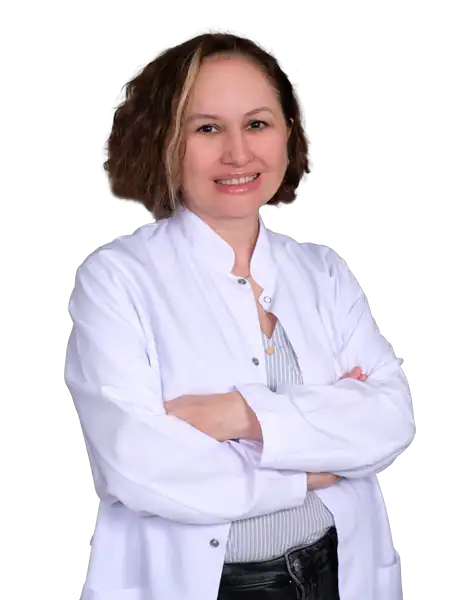
Prof. Dr. Dilek Biyik Özkaya
Dermatology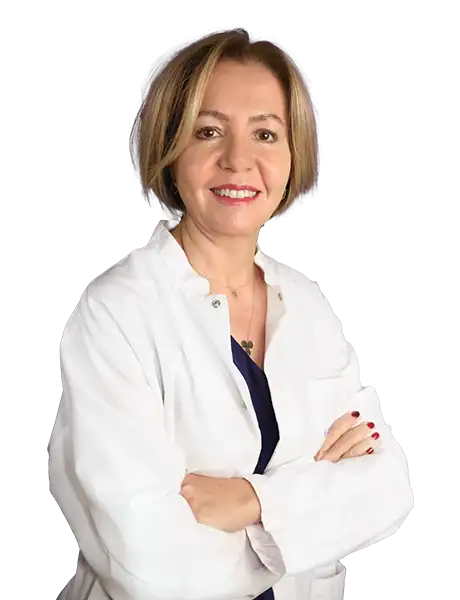
Prof. Dr. Emel Güngör
Dermatology
Prof. Dr. Emel Öztürk Durmaz
Dermatology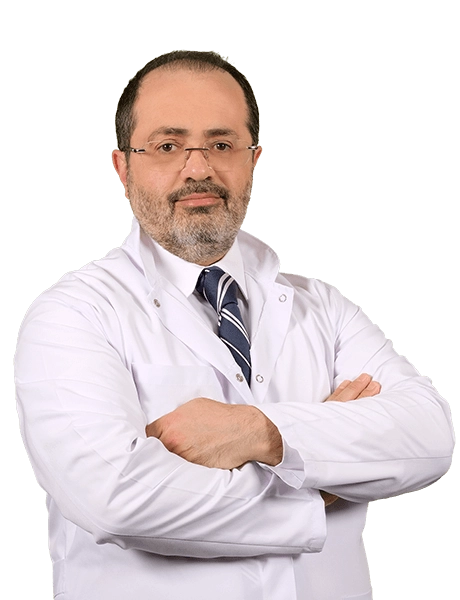
Assoc. Prof. Dr. Ersoy Hazneci
Dermatology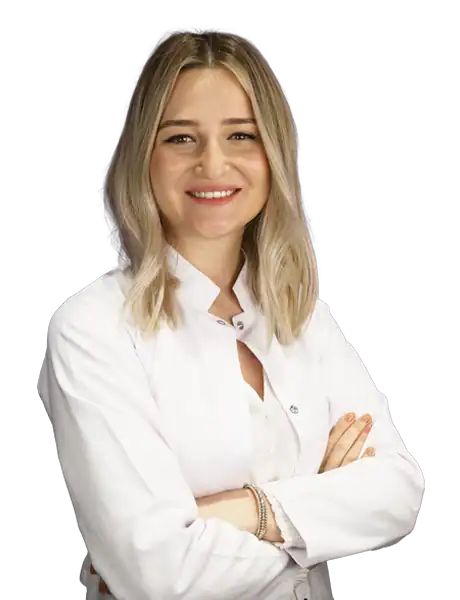
Asst. Prof. Dr. Ceyda Çaytemel
Dermatology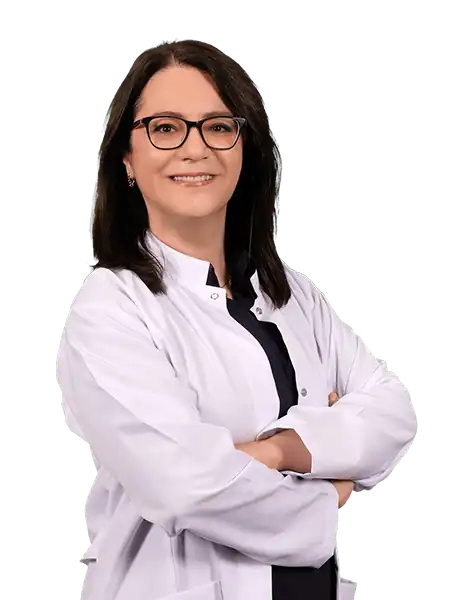
Asst. Prof. Dr. Deniz Demircioğlu
Dermatology
Dr. Arda Eminzade
Dermatology
Dr. Arzu Aslan
Dermatology
Dr. Asiye Nesrin Atay
Dermatology
Dr. Ayşe Özdemir
Dermatology
Dr. Ayşe Yemişçi
Dermatology
Dr. Ayşenur Şam Sarı
Dermatology
Dr. Bahar Öznur
Dermatology
Dr. Belma Bayraktar
Dermatology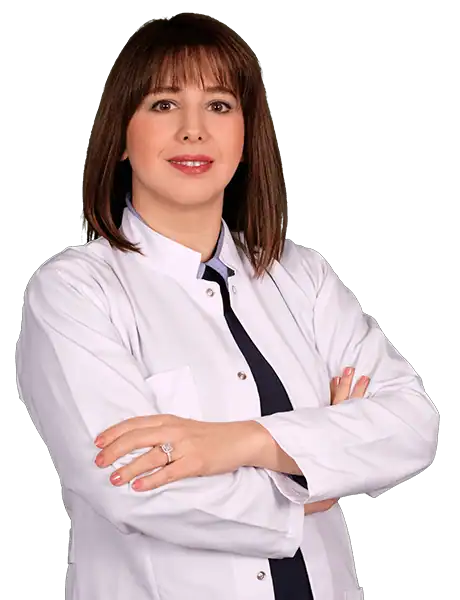
Dr. Burçak Bozdemir Aral
Dermatology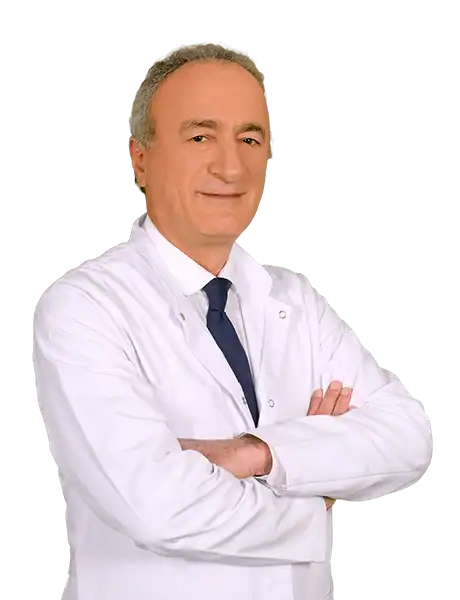
Dr. Can Aksoğan
Dermatology
Dr. Canan Savaş İyigün
Dermatology
Dr. Cemile Ertan
Dermatology
Dr. Damla Sivaz
Dermatology
Dr. Dilara Tüysüz
Dermatology
Dr. Ergun Kuşku
Dermatology
Dr. Esra Eşbah
DermatologySpeak with our medical team
Share your case and our international patient team will guide you to the right specialist — free of charge.