

Otorhinolaryngology (ENT)
Care for ear, nose, throat and head-and-neck conditions, including hearing and balance disorders.

Medically reviewed by the Acıbadem clinical team — June 12, 2026
Otorhinolaryngology — commonly known as ear, nose and throat (ENT) — is the medical unit that diagnoses and treats conditions of the ears, nose, sinuses, throat, and the head and neck. It covers everything from hearing problems, sinus disease and tonsil conditions to voice disorders and head and neck cancers. At Acıbadem International, ENT combines accurate diagnosis and modern surgical and medical treatment with the resources of a large hospital group, working with related specialties when conditions are complex. For people travelling from abroad, that breadth of expertise and coordinated care is what allows a wide range of ENT conditions to be treated precisely and safely.
This page explains what the ENT unit covers, the conditions it treats, how problems are assessed, the treatments available, and how international patients are supported through diagnosis, treatment and recovery.
What the ENT unit covers
ENT is broad, covering the ears, nose, throat and head and neck, and the unit is organized so that the right expertise is applied to each area. Its main areas of work include:
- Ear and hearing conditions — including hearing loss, infections and balance problems.
- Nose and sinus conditions — including chronic sinusitis and nasal obstruction.
- Throat and voice conditions — including tonsil problems and voice disorders.
- Head and neck surgery — including for tumors, with the cancer team.
- Snoring and sleep-related breathing problems.
- Pediatric ENT — common ear, nose and throat conditions in children.
Because some ENT conditions overlap with other specialties — head and neck cancers with the cancer team, facial procedures with plastic surgery — the unit works in cooperation with related areas so that care is complete.
Conditions we treat
The unit cares for the full range of ear, nose and throat conditions. Common reasons international patients are referred include:
- Hearing loss and ear conditions.
- Chronic sinusitis and nasal obstruction.
- Tonsil and adenoid problems.
- Voice and swallowing disorders.
- Head and neck tumors.
- Balance and dizziness problems.
- Snoring and sleep-related breathing issues.
Many patients arrive seeking treatment for a troublesome condition such as chronic sinusitis or hearing loss, or a clear plan after a head and neck finding. The unit’s first task is to assess accurately and explain the realistic options clearly.
How conditions are assessed
Accurate diagnosis underpins good ENT care, and the unit assesses each patient with the investigations that genuinely inform the plan. These may include:
- Detailed ENT examination — including endoscopic examination of the nose, throat and larynx.
- Hearing and balance tests — to assess the ear.
- Imaging — CT and MRI for the sinuses, ears and head and neck.
- Biopsy — where a sample is needed to confirm a diagnosis.
These are supported by the hospital group’s medical technologies and radiology, and findings are interpreted alongside the patient’s symptoms and history. For international patients, an initial review of existing reports can often begin remotely before travel, so that a considered plan is in place.
Treatments and procedures
The unit offers a full range of treatment, from medical management to precise surgery, favouring minimally invasive techniques where appropriate.
Ear and hearing treatment
Hearing loss, ear infections and balance problems are assessed and treated with medical or surgical approaches as appropriate, with the aim of protecting and restoring hearing and relieving symptoms.
Nose and sinus surgery
Chronic sinusitis and nasal obstruction are treated medically and, where needed, with surgery — often endoscopic sinus surgery, a minimally invasive approach that treats the sinuses through the nose without external incisions.
Throat, voice and tonsil procedures
Tonsil and adenoid conditions, voice disorders and swallowing problems are assessed and treated, with surgery where appropriate, aiming to relieve symptoms and protect function such as the voice.
Head and neck surgery
Head and neck tumors are treated within a multidisciplinary cancer plan alongside medical oncology and radiation oncology, with decisions made by the tumor board. Specific procedures can be explored in the treatments library.
Minimally invasive ENT surgery
Much of modern ENT surgery is minimally invasive, and the unit uses these techniques wherever they benefit the patient. Endoscopic sinus surgery, for example, treats the sinuses through the nose using a camera and fine instruments, avoiding external incisions and generally allowing a more comfortable recovery. Many ear and throat procedures are similarly performed with precise, minimally invasive techniques. Not every condition is suited to a minimally invasive approach, and the unit is honest about when a different approach is the safer or more effective choice. The principle, however, is consistent: to treat the problem precisely while disturbing the body as little as the situation allows, which is particularly valuable in the delicate structures of the ear, nose and throat.
Head and neck cancer: coordinated, careful treatment
Head and neck cancers are among the most complex conditions the unit treats, and they require careful, coordinated care. These cancers can affect important functions such as speech and swallowing, so treatment must balance controlling the cancer with preserving function and quality of life as much as possible. The unit treats head and neck cancers within a multidisciplinary tumor board, so that surgery, radiotherapy and drug therapy are combined in the right way, and where reconstruction is needed, plastic and reconstructive surgery is involved. For patients facing such a diagnosis, this coordinated, function-preserving approach — within a large hospital group — provides exactly the careful, comprehensive care these complex cancers demand.
Caring for hearing and balance
Hearing and balance are central to quality of life, and their loss can be isolating and disorienting, so the unit takes these conditions seriously. Hearing problems are assessed with detailed testing to understand their nature and cause, and treated with medical or surgical approaches as appropriate, with the aim of protecting and, where possible, restoring hearing. Balance and dizziness problems, which can be distressing and have many causes, are similarly assessed carefully to identify the cause and guide treatment. The unit recognizes the real impact that hearing and balance problems have on daily life, and approaches them with the attention they deserve, aiming to restore function and confidence wherever possible.
Technology and approach
ENT combines precise diagnostic tools with minimally invasive surgical techniques, suited to the delicate structures it treats. The unit uses detailed examination, hearing and balance testing, and imaging to reach an accurate diagnosis, and modern, often minimally invasive, techniques to treat conditions precisely. But technology serves judgment: the decision of whether and how to treat is made after careful assessment, and the least invasive effective approach is preferred. Where conditions overlap with other specialties — head and neck cancers, facial reconstruction — care is coordinated within the hospital group.
Your team
Your care may involve an ENT surgeon with the relevant focus, audiologists, and — for complex cases — oncology, plastic surgery and other specialists, supported by specialist nurses. The physicians who lead this unit are listed on the doctors page, and care is delivered across Acıbadem’s accredited hospitals, which maintain international quality and safety standards.
The international patient journey
The unit is organized to make ENT care clear and well supported for international patients.
1. Remote review
You begin by sharing your history, symptoms and any test results or imaging. The team reviews them, advises on the likely options, and where helpful offers a second opinion — all before you decide to travel.
2. A clear plan
If treatment in Turkey makes sense, you receive a plan explaining what is recommended, what any procedure would involve, how long you would stay and what recovery to expect.
3. Coordinated care
A dedicated coordinator arranges appointments, any admission, interpreting and travel logistics. Your assessment is confirmed in person, and cancer cases are reviewed by the multidisciplinary team.
4. Recovery and follow-up
You receive clear documentation and a follow-up plan to continue at home, and the team remains reachable during recovery. To begin, request an online consultation.
Why patients choose Acıbadem for ENT care
Acıbadem International offers experienced ENT surgeons, accurate diagnosis, minimally invasive techniques, multidisciplinary head and neck cancer care, and well-coordinated international patient support — all within accredited hospitals. For patients travelling from abroad, the combination of technical expertise, the resources of a large hospital group for complex cases, and structured support is what sets the experience apart. From sinus and hearing conditions to head and neck cancers, the unit aims to treat each condition as precisely and gently as possible, with the depth of a leading medical system behind it.
What to expect and practical notes
ENT conditions and their treatments vary widely, so care and any length of stay differ from case to case. Many procedures are minimally invasive and allow a relatively quick recovery, while complex or cancer surgery requires longer and careful planning. Your coordinator plans your time abroad around safe recovery and travel, and the unit is honest about timelines and outcomes. Surgery is recommended only when it is genuinely the best option; where medical treatment is more appropriate, that is what will be advised. The aim throughout is precise, function-preserving care.
Coordinated care for complex cases
ENT conditions often intersect with other areas of medicine, and treatment within a large hospital group means the right experts are already together. Head and neck cancers are planned with medical oncology; facial reconstruction is coordinated with plastic surgery; complex procedures may involve general surgery; and imaging is supported by radiology. For patients with other health conditions, having the relevant specialists in the same group means care can be coordinated safely around the whole person. This joined-up approach matters most in exactly the complex cases where several needs come together.
Understanding sinus disease
Chronic sinus problems are among the most common reasons people seek ENT care, and while often dismissed as persistent colds, ongoing sinus disease can significantly affect quality of life through congestion, facial pressure, reduced sense of smell and disturbed sleep. The unit assesses sinus conditions carefully, using endoscopic examination and, where needed, imaging to understand the problem, since the right treatment depends on an accurate picture. Many cases are managed medically, and where surgery is needed, endoscopic sinus surgery offers a minimally invasive approach that treats the sinuses through the nose without external incisions, generally allowing a more comfortable recovery. The unit takes sinus disease seriously because of its real impact on daily life, and aims to relieve symptoms and restore comfortable breathing and a normal sense of smell, choosing the least invasive effective approach for each patient.
Voice, swallowing and throat conditions
The throat is involved in essential functions — breathing, speaking and swallowing — and conditions affecting it can be distressing and disruptive. The unit assesses and treats a range of throat conditions, from tonsil and adenoid problems to voice disorders and difficulty swallowing. Voice problems, in particular, can have a major impact on people who rely on their voice, and they are assessed carefully, often with endoscopic examination of the larynx, to understand the cause and guide treatment that protects this important function. Persistent throat symptoms, including changes in the voice or difficulty swallowing, deserve assessment, as they can occasionally signal a condition that benefits from earlier attention. The unit approaches throat conditions with attention to both relieving symptoms and preserving the functions — voice and swallowing — that matter so much to daily life.
Pediatric ENT
Ear, nose and throat conditions are very common in children, and pediatric ENT is an important part of the unit’s work. Conditions such as recurrent ear infections, enlarged tonsils and adenoids, and hearing problems can affect a child’s wellbeing, sleep and development, and they are assessed and treated with care suited to children. The unit works within a hospital group equipped to care for children, with a gentle, reassuring approach for both child and family. Where a procedure is needed — such as for recurrent tonsil problems — it is carried out in a setting appropriate for children. For international families seeking care for a child’s ENT condition, this combination of pediatric ENT expertise and a child-friendly environment provides reassurance that their child’s care is in the right hands.
Preparing for ENT treatment
ENT assessment often involves detailed examination, sometimes with endoscopy, along with hearing tests or imaging depending on the condition. The unit arranges these efficiently, and for international patients much of the groundwork can begin remotely, with existing reports and imaging reviewed before travel so that further investigation is focused and the in-person visit is used efficiently. Before any treatment, the patient receives clear information about what it involves and what recovery to expect. This well-organized approach means assessment is thorough yet efficient, and patients arrive informed and leave with a clear understanding of their condition and plan. Where surgery is recommended, the unit explains why and what it involves, so that the patient can make an informed decision with confidence.
Frequently asked questions
Can my case be reviewed before I travel?
Yes. You can share your history, symptoms and any test results or imaging for a remote assessment and receive advice on the likely options, including a second opinion where helpful, before deciding to travel.
How is chronic sinusitis treated?
Chronic sinusitis is treated medically and, where needed, with surgery — often endoscopic sinus surgery, a minimally invasive approach that treats the sinuses through the nose without external incisions.
Can you treat hearing loss?
Yes. Hearing problems are assessed with detailed testing and treated with medical or surgical approaches as appropriate, with the aim of protecting and, where possible, restoring hearing.
Do you treat balance and dizziness problems?
Yes. Balance and dizziness problems are assessed carefully to identify the cause, which can be varied, and treated accordingly, recognizing their real impact on daily life.
How are head and neck cancers treated?
Within a multidisciplinary cancer plan alongside medical and radiation oncology, with decisions made by the tumor board and reconstruction coordinated with plastic surgery where needed, balancing cancer control with preserving function.
Is ENT surgery minimally invasive?
Frequently, yes. Much of modern ENT surgery is minimally invasive — such as endoscopic sinus surgery — which generally allows a more comfortable recovery. The right approach is decided after assessment.
Do you treat tonsil and voice conditions?
Yes. Tonsil and adenoid conditions, voice disorders and swallowing problems are assessed and treated, with surgery where appropriate, aiming to relieve symptoms and protect function such as the voice.
Can you help with snoring and sleep-related breathing?
Yes. Snoring and sleep-related breathing problems are assessed and managed, sometimes in cooperation with other specialties where sleep apnea is involved.
Do you treat children’s ENT conditions?
Yes. Pediatric ENT is part of the unit, treating common ear, nose and throat conditions in children with care suited to their needs.
How long will I need to stay in Turkey?
It depends on the condition and treatment. Many procedures allow a relatively quick recovery, while complex surgery needs longer. Your coordinator gives a realistic estimate in advance.
Can I get a second opinion on a recommended treatment?
Yes. The unit can review your case and provide an honest second opinion, advising whether the recommended treatment is the best option or whether an alternative is more appropriate.
Will my other health conditions be considered?
Yes. Because relevant specialists are part of the same hospital group, care is coordinated safely around any other health conditions you have.
How soon can urgent cases be seen?
Acıbadem International hospitals operate around the clock, and more urgent ENT problems can be prioritized. Sharing your details allows the team to advise quickly on how soon you should be seen.
Can I receive care in my own language?
Yes. The international patient coordinator arranges interpreting and supports you through the practical and clinical steps of your care.
Will I receive a clear plan to take home?
Yes. You receive clear documentation and a follow-up plan so your care can continue smoothly with your own doctor after you return.
Will a companion be supported during my stay?
Yes. The international patient coordinator helps with practical arrangements so that a companion can accompany you during your care.
Can the wider hospital group support complex ENT cases?
Yes. Having ENT, oncology, plastic surgery, general surgery and imaging within one accredited group means complex cases, including head and neck cancers, can be managed in a coordinated way around the whole person.
Will I receive a clear plan to take home?
Yes. You receive clear documentation and a follow-up plan so that your care can continue smoothly with your own doctor after you return home.
Is treatment tailored to me?
Yes. ENT care is individual, so treatment is tailored to your specific condition and circumstances, and the least invasive effective approach is preferred, rather than following a single standard treatment.
Will function such as my voice or hearing be protected?
Yes. The unit aims to treat conditions while preserving important functions such as the voice, hearing and swallowing, balancing effective treatment with protecting the functions that matter to daily life.
How soon can urgent ENT problems be seen?
Acıbadem International hospitals operate around the clock, and more urgent ENT problems can be prioritized. Sharing your details allows the team to advise quickly on how soon you should be seen and on the safest next step for your situation.
Can I receive ENT care in my own language?
Yes. The international patient coordinator arranges interpreting and supports you through every practical and clinical step of your care, from the first remote review through any procedure to your follow-up, so you understand each stage clearly.
Will I receive documentation for my own doctor?
Yes. You receive clear documentation of your assessment and any treatment, together with a follow-up plan, so that your care can continue smoothly with your own doctor after you return home, with the team reachable for questions.
Is treatment delivered in an accredited hospital setting?
Yes. ENT care and surgery are delivered in accredited hospitals that maintain international quality and safety standards, with full medical backup available, which is reassuring for any procedure involving anesthesia or the delicate structures of the head and neck.
This page provides general health information about the services of this unit and is not a substitute for personal medical advice. Any diagnosis and treatment plan is determined after individual assessment by qualified specialists.
Treatments in Otorhinolaryngology (ENT)
Specialists in this Unit

Prof. Dr. Alp Demireller
Otorhinolaryngology
Prof. Dr. Arzu Tatlipinar
Otorhinolaryngology
Prof. Dr. Asim Kaytaz
Otorhinolaryngology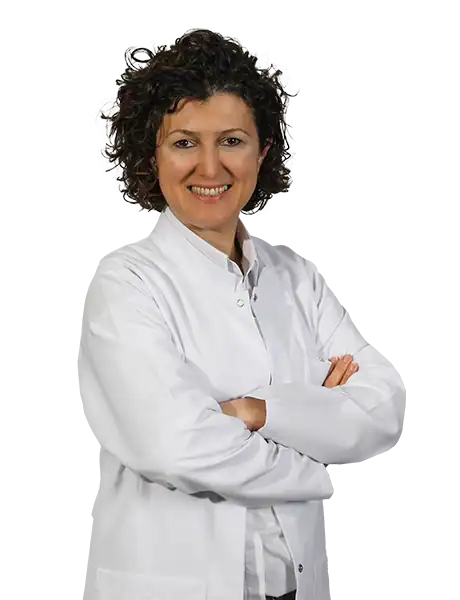
Prof. Dr. Çiğdem Kalaycık Ertuğay
Otorhinolaryngology
Prof. Dr. Dilaver Özturan
Otorhinolaryngology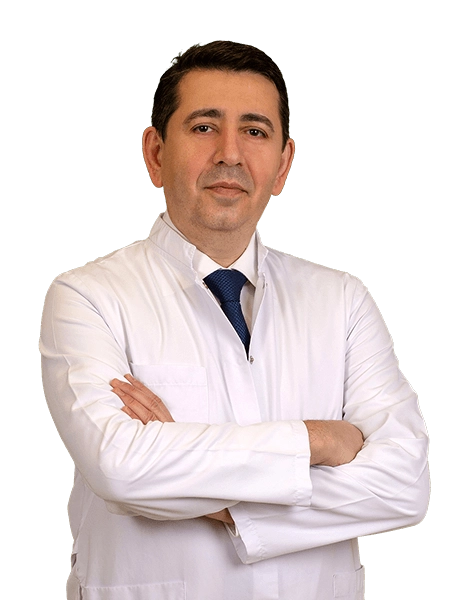
Assoc. Prof. Dr. Ali Titiz
Otorhinolaryngology
Asst. Prof. Dr. Alper Özdilek
Otorhinolaryngology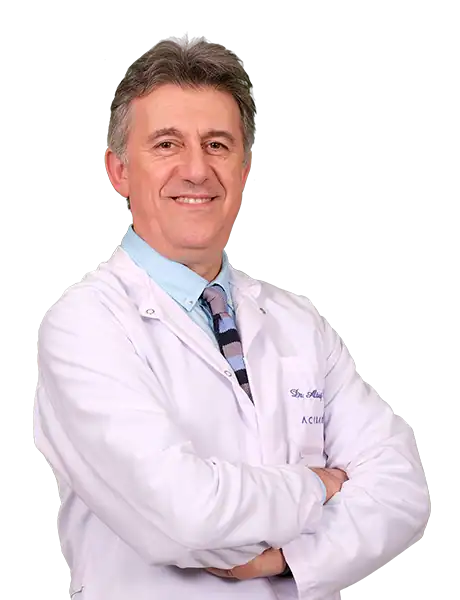
Asst. Prof. Dr. Altuğ Özagar
Otorhinolaryngology
Dr. Artunç Kaan Turanoğlu
Otorhinolaryngology
Dr. Asiye Merve Erdoğan
Otorhinolaryngology
Dr. Berna Yayla Özker
Otorhinolaryngology
Dr. Buket Özel Bingöl
Otorhinolaryngology
Dr. Cüneyt Altunay
Otorhinolaryngology
Dr. Ecem Sevim Akı
Otorhinolaryngology
Ody. Asime Kurter
Audiology
Ody. Audiologist Nazlı Can Üstün
Audiology
Ody. Audiometrist Buse Nur Akbulak
Audiology
Ody. Audiometrist Melisa Yalçın
AudiologyOdy. Audiometrist Rabia Aktaş
Audiology
Ody. Ayça Nilay Doğan
Audiology
Ody. Betül Yıldızlı
Audiology
Ody. Buket Ari
Audiology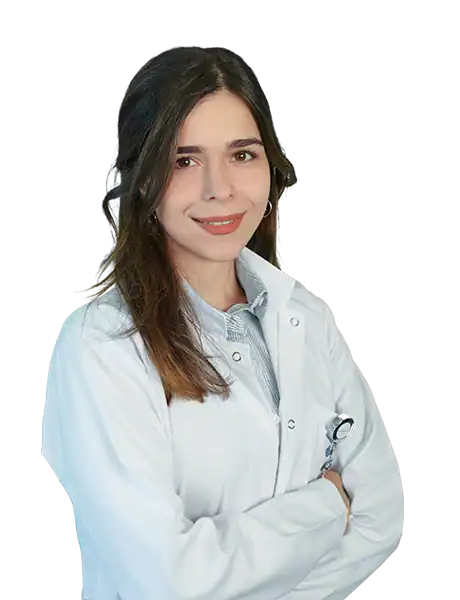
Ody. Ece Atac Geris
Audiology
Ayça Özbal Koç
OtorhinolaryngologyMedical Technologies Used
Speak with our medical team
Share your case and our international patient team will guide you to the right specialist — free of charge.